Why Is Feofania Called “Smoke and Mirrors”?
Because the decisions made there were vague and ambiguous. And due to the procedure and format in which they were adopted, the Primate can unilaterally annul them at any moment.
Софійське Братство – громадська організація

Because the decisions made there were vague and ambiguous. And due to the procedure and format in which they were adopted, the Primate can unilaterally annul them at any moment.

In recent decades, global Orthodoxy has been engaged in intense discussions concerning possible mechanisms for the establishment of new autocephalous Churches. These discussions have shown that, on the one hand, there are no fundamental differences among Local Churches in understanding the essence of the institution of autocephaly.

Over the past 30 years of Orthodoxy’s existence in independent Ukraine, many mutual grievances, conflicts, and destructive myths have accumulated among Orthodox believers. These hinder not only peaceful coexistence among churches but also deepen conflict within Ukrainian society.

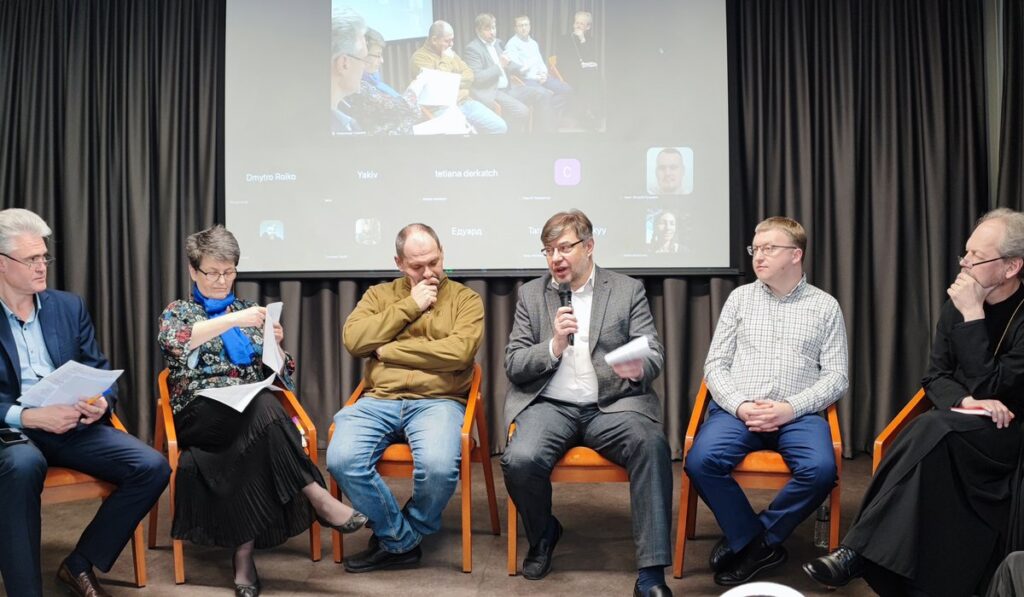
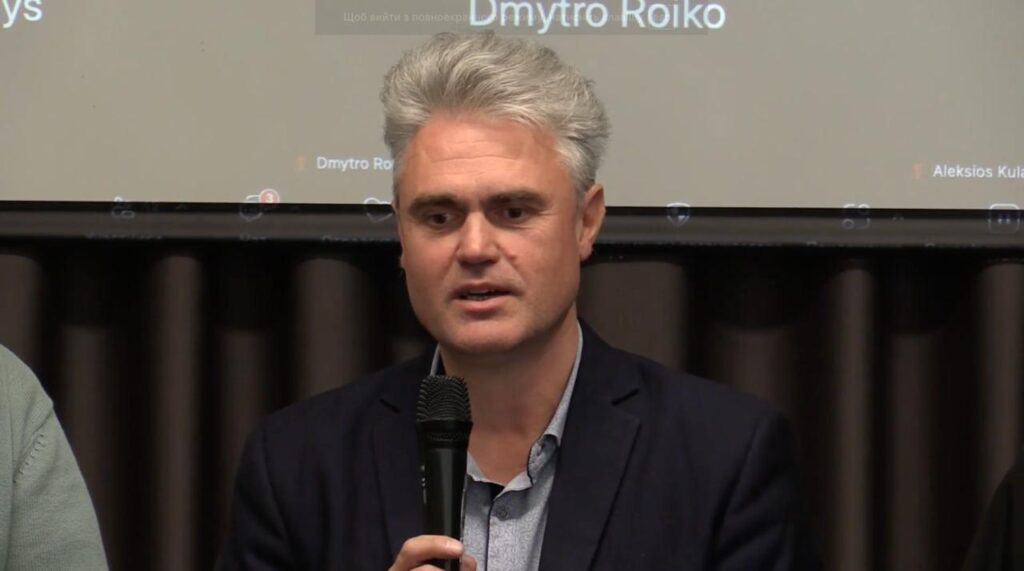
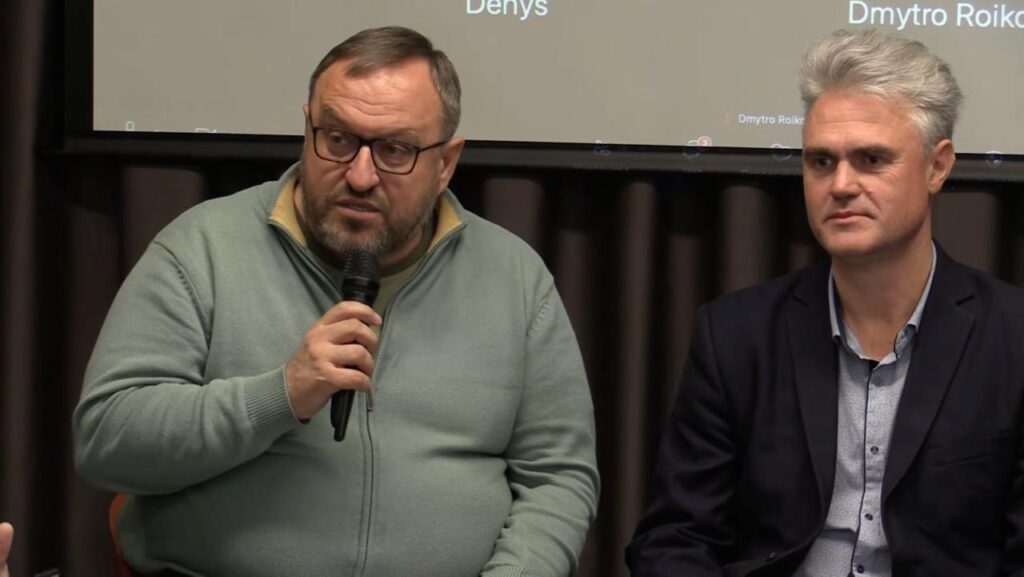
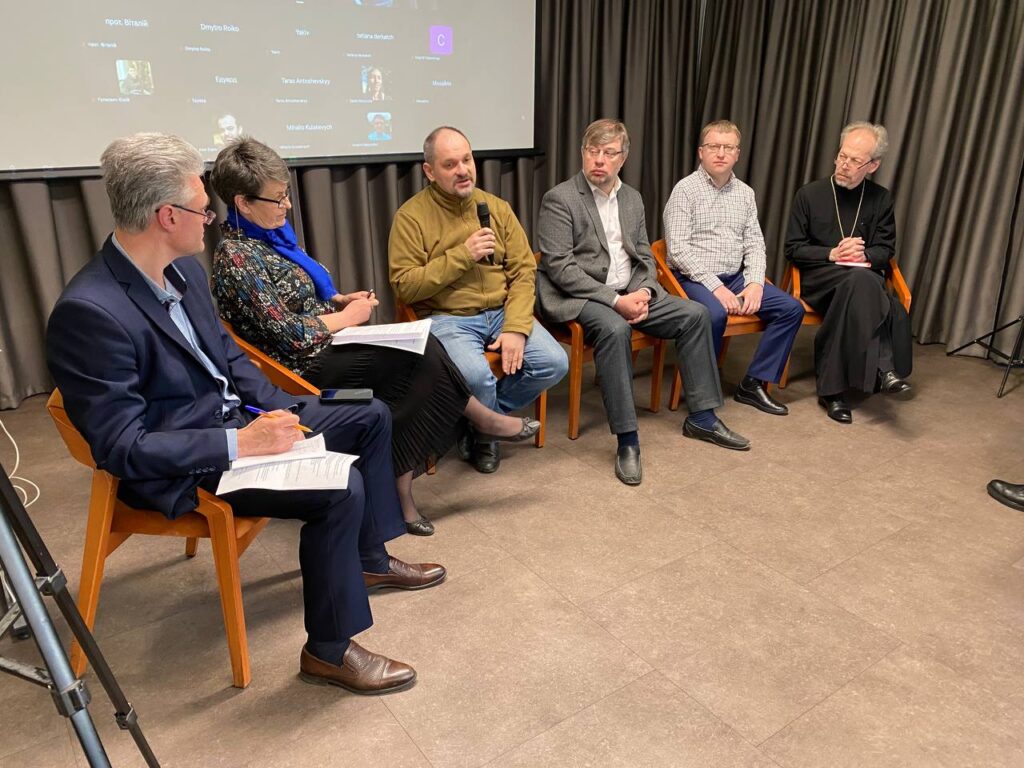
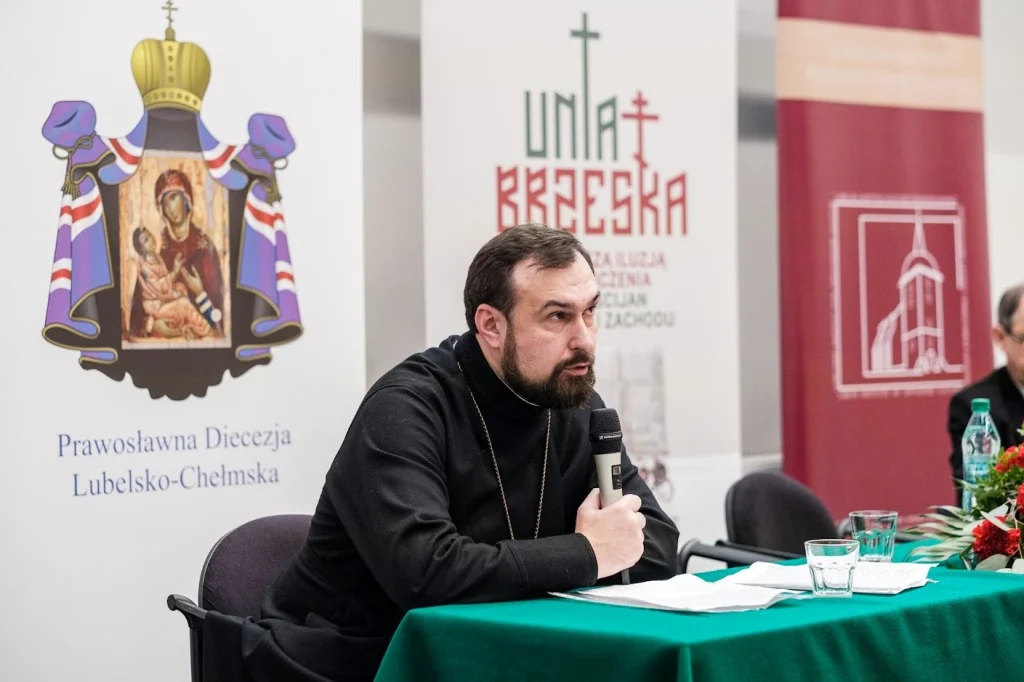
This presentation was delivered on April 29, 2025, during the Round Table “Contemporary Ukrainian Orthodoxy: Debunking Myths for the Sake of Reconciliation and Social Consolidation

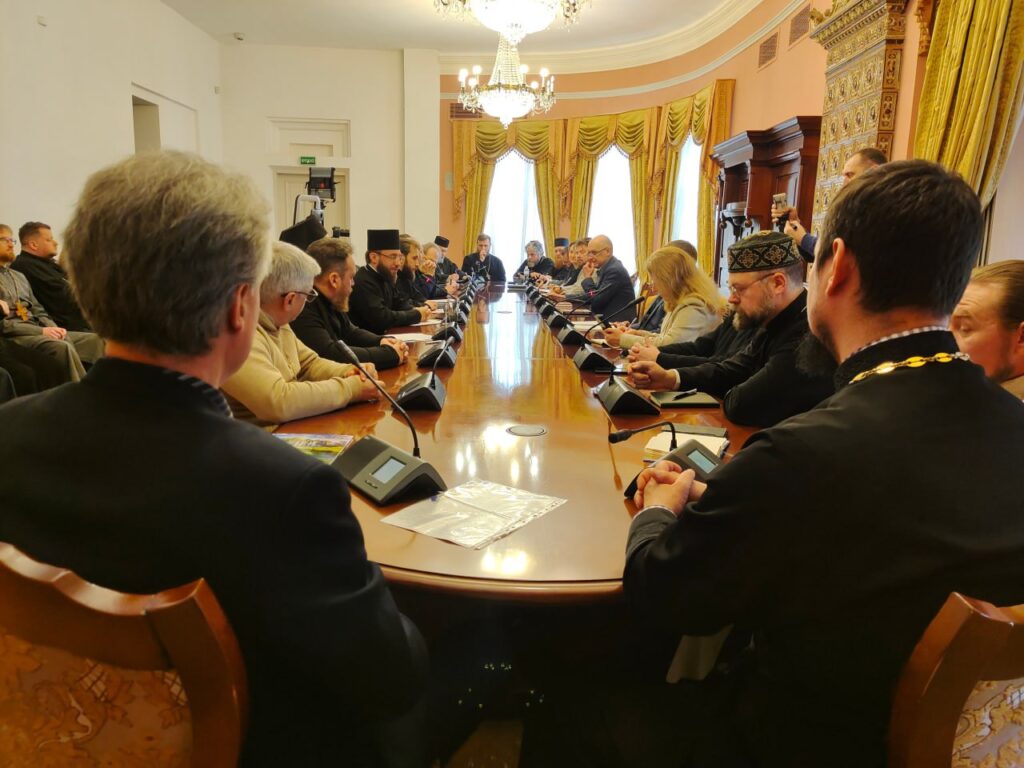
The most significant event of the Easter period in Ukraine’s socio-religious life was undoubtedly the Roundtable and panel discussion within the project “Modern Ukrainian Orthodoxy: Debunking Myths for the Sake of Reconciliation Among Orthodox Christians in Ukraine and Societal Unity,” organized by the Sophia Brotherhood.

The most significant event of the Easter period in the socio-religious life of Ukraine was undoubtedly the Round Table and panel discussion within the framework of the project “The Contemporary Ukrainian Orthodoxy: Myth-Busting for the Reconciliation of Orthodox Believers in Ukraine and for the Consolidation of Ukrainian Society”, organized by the Sophia Brotherhood.

America is changing profoundly. It is a kind of kaleidoscopic change, such that you do not recognize the America that existed even two weeks ago. I have personal experience.

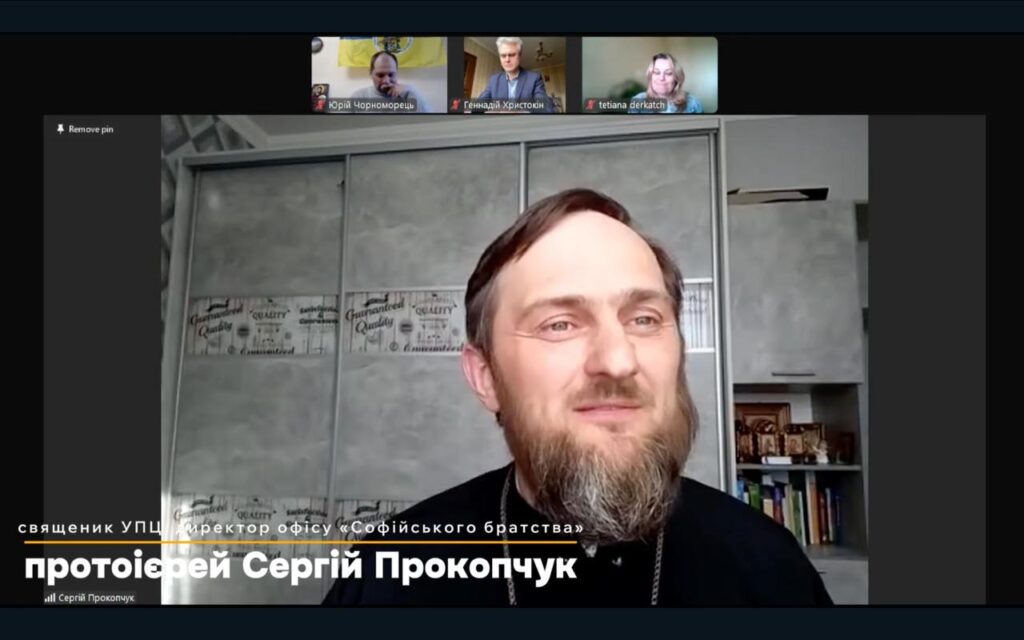
As a parish priest, like many other clergy, it is very important to identify and investigate how myths influence parishioners, and what factors play a key role in shaping the religious mindset of Orthodox Ukrainians.

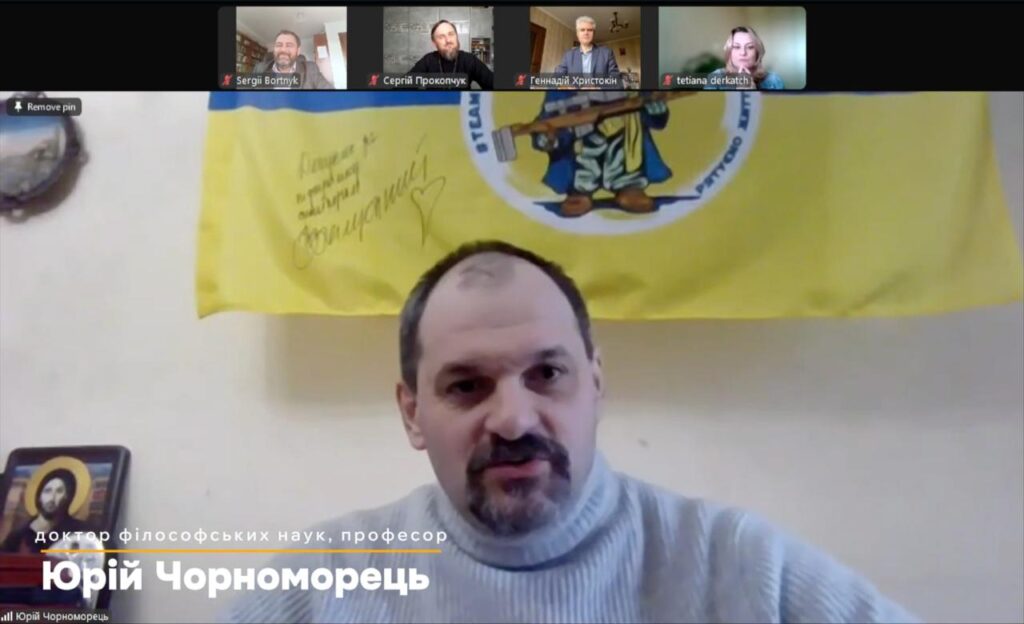
Since 2004–2007, Orthodox theology has undergone a radical turn toward a new type of theological thinking. Leading contemporary theologians—especially David Bentley Hart, John Manoussakis, Cyril Hovorun, Aristotle Papanikolaou, Pantelis Kalaitzidis—have elevated Orthodox theology to a qualitatively new stage of development.

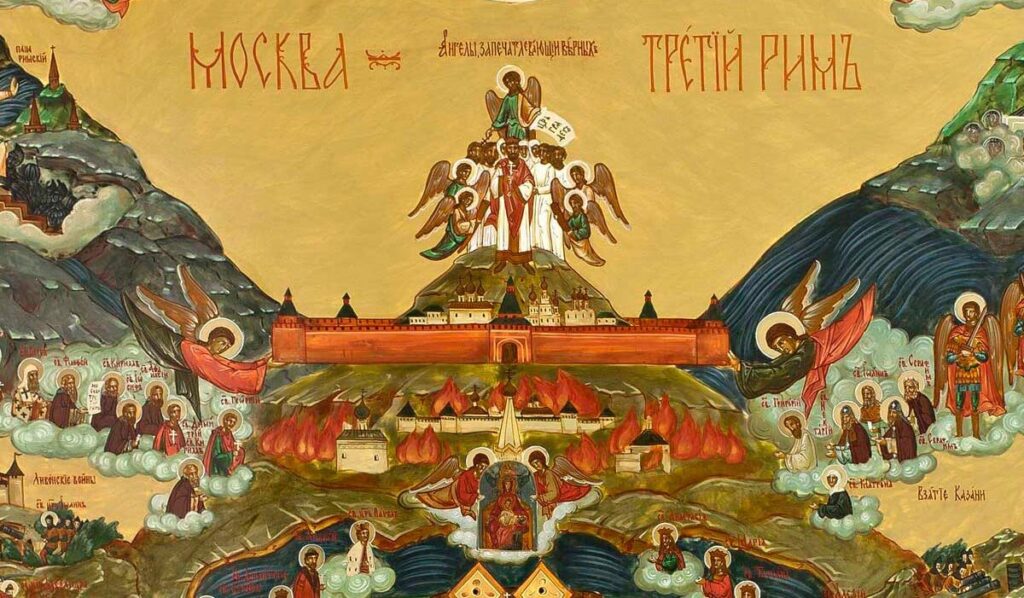
In the Old Testament, Israel is described as the “chosen people” of God (Exodus 19:5–6): “You shall be My treasured possession out of all the peoples.”
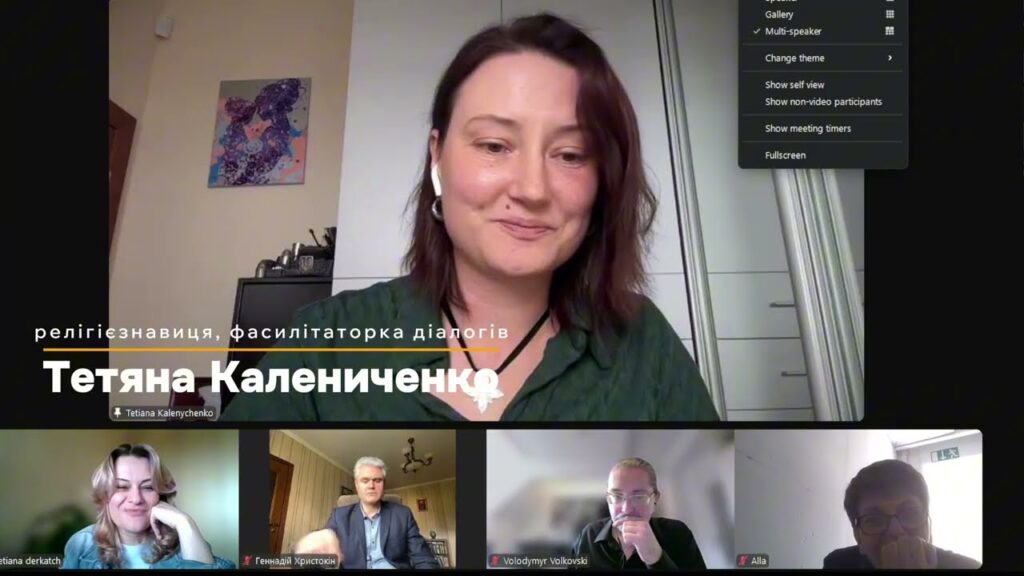
I suggest looking at religion through the lens of conflict studies, while also considering its practical aspects. To begin, it is worth recalling the words of sociologist Clifford Geertz, who pointed out that religion is interesting not only because it helps define social order, as was once commonly believed, but also because it is shaped by its surrounding environment.

I chose this topic deliberately, to attempt a deeper understanding of myth as a methodological and philosophical problem. I would like to shed more light on the situation that accompanies us all. We constantly witness conflicts, arguments, debates, “battles,” and heated discussions among Orthodox believers on social media, conflicts around churches, and how these are presented in the mass media.
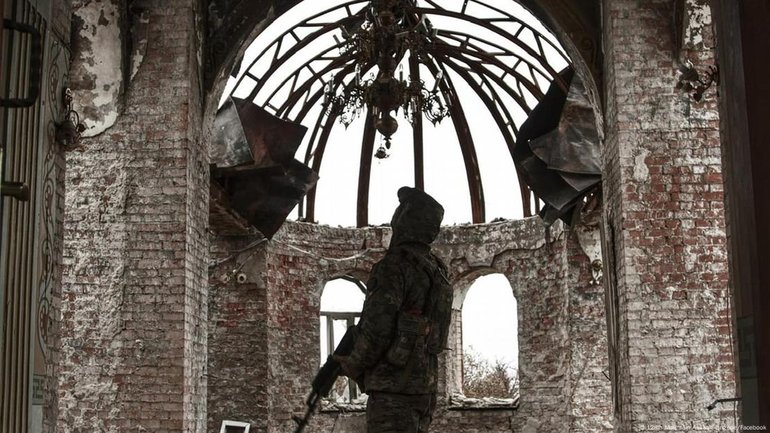
This presentation was delivered on April 9, 2025, during the webinar “Myths and Prejudices as Obstacles to the Unity of Ukrainian Orthodoxy,” held within the joint project of the *Sofia Brotherhood* and the *Renovabis* Foundation: “Contemporary Ukrainian Orthodoxy: Debunking Myths for the Sake of Reconciliation among Orthodox in Ukraine and Consolidation of Ukrainian Society.”

The Russian–Ukrainian war, especially since the full-scale invasion in 2022, has forced us to confront difficult questions: What kind of state have we been building, and what kind of state do we want to see after the war?

In the modern world, where the flow of information seems limitless, we often rely on claims that appear indisputable. Yet it is worth asking: how well-founded are these claims?

Interview conducted by Taras Antoshevskyi, Religious Information Service of Ukraine “Ukrainian Orthodoxy has been in a state of division for more than 30 years. During

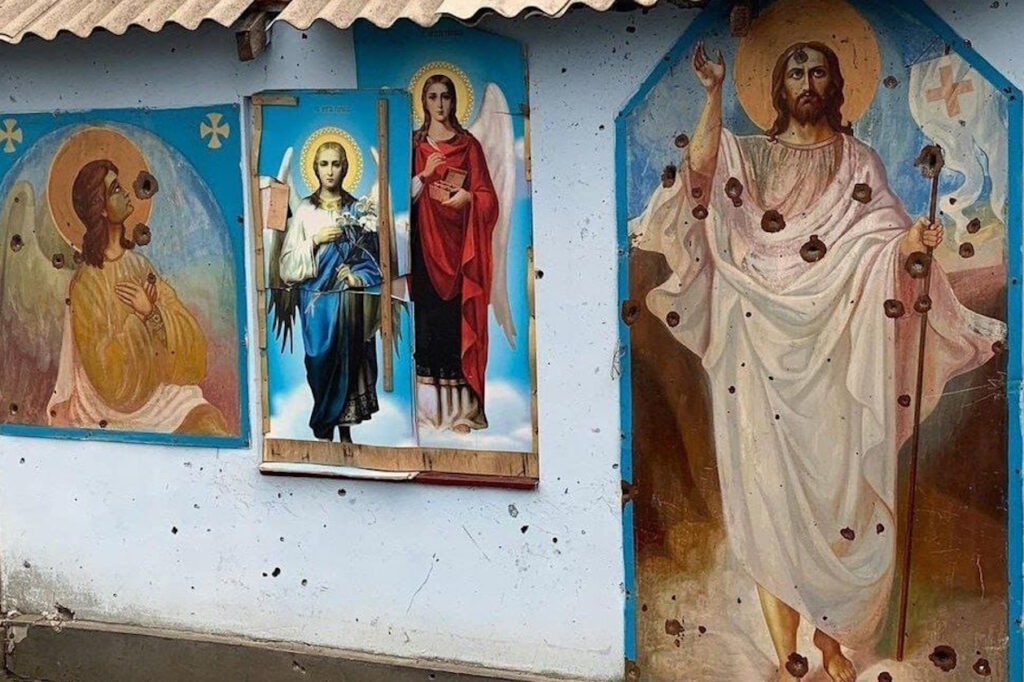
Another crime committed by the Muscovites in Kryvyi Rih — against humanity and common sense — once again urges every Christian to clearly testify before God and people: Whose side are they on — Christ’s or Belial’s?

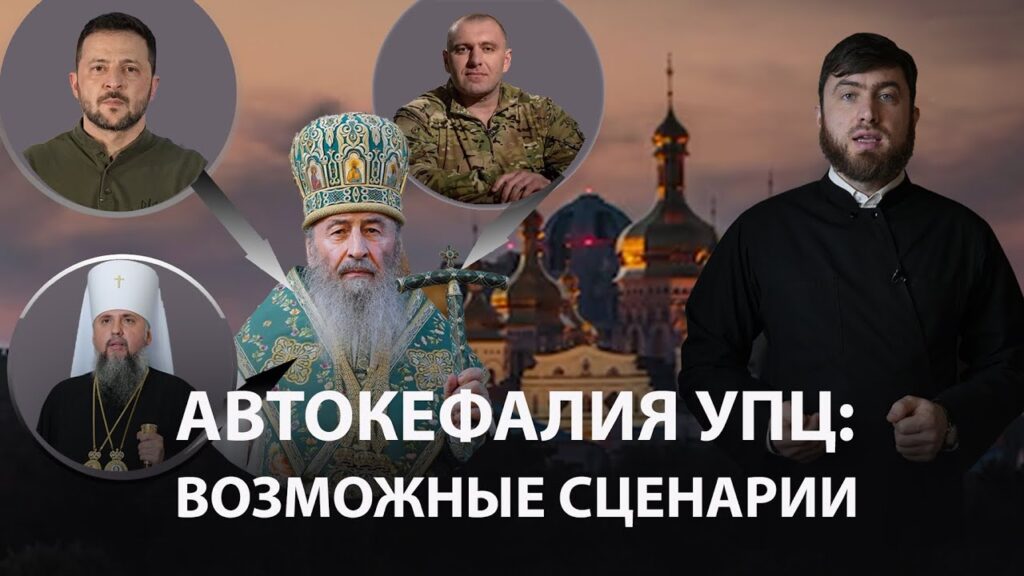
Cleric of the UOC, Priest Vasyl Maksymyshynets, who currently resides in Belgium, recently published on his YouTube channel a new episode of his authorial program entitled “Why Did the UOC End Up in the Grey Zone and How to Get Out of It? The Path to Autocephaly.”

Dr. Lidiya Lozova, member of the Sophia Brotherhood The sermon was prepared for Orthodox Christian Studies Centre of Fordham University as part of the 2025

The theological field known as political theology is one of the most popular in the theological world today, if not the most popular.

Today marks three years since the beginning of Russia’s full-scale invasion of Ukraine—a war that has brought suffering, death, and shattered lives to millions of Ukrainians. This

For a believer in the church as theandric unity it is also important to acknowledge its socio-political aspects and ramifications. Not focusing on both sides of this coin but only one of them reduces the church’s phenomenological reality.

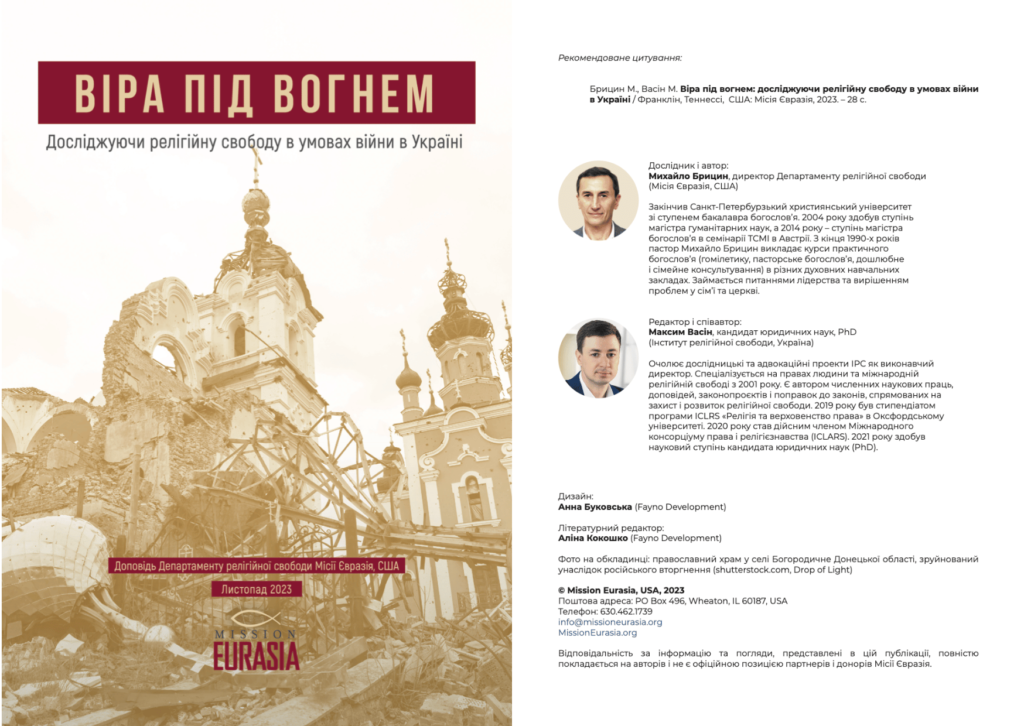
We are pleased to present to you a report by the Religious Freedom Department of Mission Eurasia (USA), which highlights a dire situation demanding immediate attention and action from the global community.

Taking two years to condemn Russia’s “holy war” ideology and four days to condemn Ukraine’s law against the Russian Orthodox Church is telling, Danish churches say.

This interview with the head of the Kherson Diocese of the Orthodox Church of Ukraine, Bishop Nikodim Kulyhin, is dedicated to the recent anniversary of

Report at the International Ecumenical Seminar in Paris (January 23, 2024), organized by Collège des Bernardins and Institut chrétiens d’Orient (Paris, France).

The issue of transitioning or changing jurisdictions for an Orthodox believer is a deeply complex legal and psychological matter. In Orthodoxy, there is neither a theological solution nor even serious discourse regarding jurisdictional changes.

The editorial team of the Brotherhood of Sophia previously reported on the situation involving our fellow brother, Father Ivan Polishchuk.

Analysing the conflict potential of religious, political and civil discourses is an urgent task for science. These discourses, on the one hand, provide an opportunity for statements by the parties to the conflict, and, on the other hand, construct social reality.

The title of our panel includes two parts connected with “initiative” – bottom-up and grassroots. The first of them may concern not only the topic of dialogue between religious groups, but also the involvement of the local authorities.

As a result of the study, we were able to establish that the crisis of Ukrainian Orthodoxy is a conflict that has a clear linguistic and symbolic dimension. In order to analyze the conflict between Orthodox actors, it is advisable to use a critical-reflective methodology that allows for the analysis of both theological language and the tools that form this language.

I met Dmytro during our studies at the Institute of Journalism at Taras Shevchenko National University of Kyiv. Although Dmytro was two years behind me, unlike many of us, he already had some professional experience.

Priests of the Ukrainian Orthodox Church, disillusioned by the inaction of their leadership after the Russian invasion, are appealing to Patriarch Bartholomew for help and guidance.

Today, social media was flooded with footage of clashes at the St. Michael’s Cathedral in the city of Cherkasy. Such incidents are unacceptable in the House of God, as both believers and community activists have repeatedly stated.

Almost 33 years ago, at the Council of the Ukrainian Orthodox Church, which took place from November 1–3, 1991, a resolution was adopted to appeal to Moscow Patriarch Alexy II and the episcopate of the Russian Orthodox Church (ROC) with a request to grant the UOC full canonical independence – autocephaly.

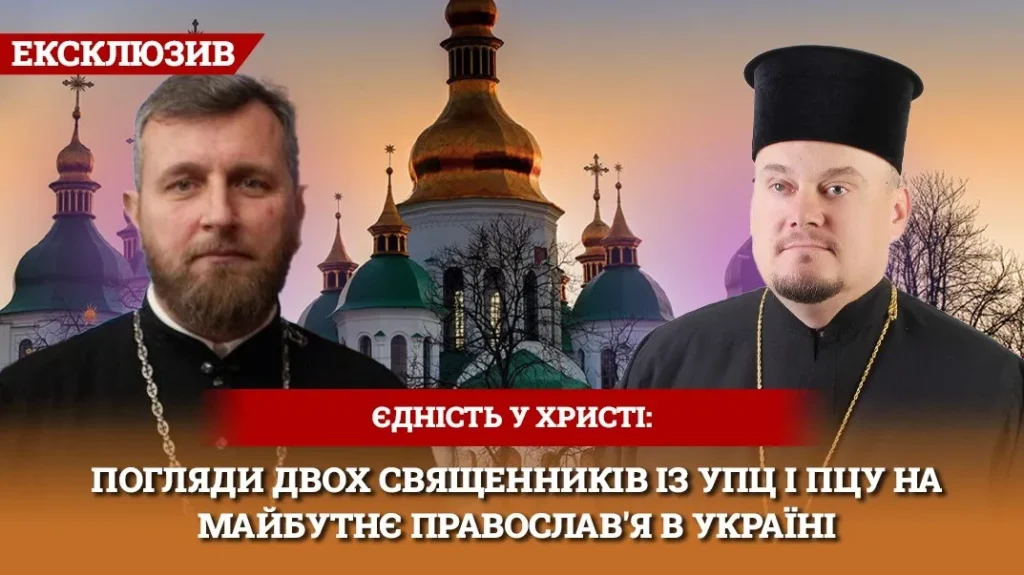
At a time when the unity of Ukrainian society is key to victory, the issue of church unification takes on special importance. Today we will look behind the scenes of this process along with the two priests who are at the forefront of the dialogue between Orthodox jurisdictions.

The year 2024 seems to have become one of the most turbulent ones for Ukrainian Orthodoxy over the past decade. UOC’s relations with general public and the government have reached an impasse, and amid international political uncertainty, under the pressure from the OCU and opposition politicians, the Law on Affiliation was adopted, with the ultimate goal of stripping UOC communities of their legal status.

I am not a sociologist, neither do I work with statistics on the level of religious freedom in the occupied Ukrainian territories, but I have personal experience of living under occupation and fighting the regime there.

The “Edict” of the World Russian People’s Council caused controversial reactions on the side of theologians. Some were quite unexpected, like the essay by Rev. Dr. John Chryssavgis entitled “Casting the First Stone of Heresy.”

We, the members of the NGO “Sophia Brotherhood”, which brings together clergy and laity of different Orthodox jurisdictions, are calling on you to address the draft law No. 8371, which was previously titled “On Amendments to Certain Laws of Ukraine on the Activities of Religious Organizations in Ukraine” and was submitted by the Cabinet of Ministers of Ukraine.

The full-scale Russian-Ukrainian war has been going on for more than two years. The troops of the Russian Federation, inspired by the criminal “blessing” of the Moscow Patriarch, constantly carry out missile and drone attacks on civilian objects, infrastructure and buildings of civilians in Ukraine, sowing terror, blood and death among our people.

Ukrainian Orthodoxy has long suffered from division and hostility. Yet, numerous attempts to overcome the schism have constantly encountered both covert and overt resistance from the Moscow Patriarchate.

The last year in Ukraine turned out to be challenging and full of conflicts. The war seemed to have become an image of our life

Russia’s military aggression against the sovereign Ukrainian state was the culmination of centuries of imperial pressure on our people’s spiritual and cultural identity. Guided by imperial chauvinistic ideology, under the slogans of the “Russian world,” Russia has always denied the right of the Local Ukrainian Church to exist.

Representatives among the UOC-MP and OCU clergymen, who held their first informal meeting in Sofia of Kyiv on July 5, adopted a joint declaration of understanding.