A Mistake in Jerusalem
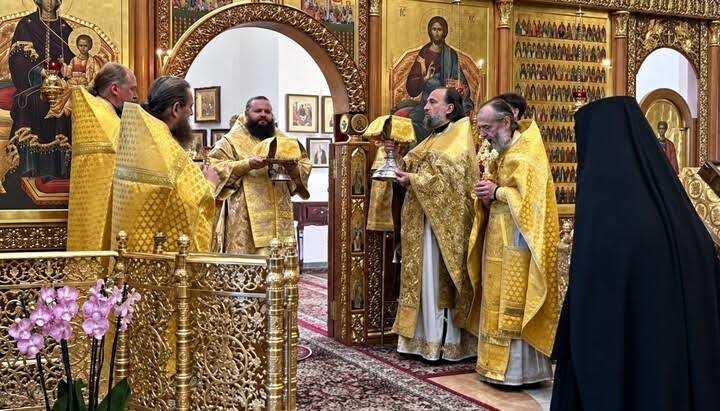
On 14 September, Metropolitan Pimen of Rivne and Ostroh celebrated the Divine Liturgy at the Gorny Convent in Ein Karem, which belongs to the Russian Ecclesiastical Mission of the Moscow Patriarchate.
Софійське Братство – громадська організація
On 14 September, Metropolitan Pimen of Rivne and Ostroh celebrated the Divine Liturgy at the Gorny Convent in Ein Karem, which belongs to the Russian Ecclesiastical Mission of the Moscow Patriarchate.
In the life of the Church, there are prominent events accompanied by solemn celebrations and attracting international attention, and there are events that pass almost unnoticed yet are no less important or remarkable.
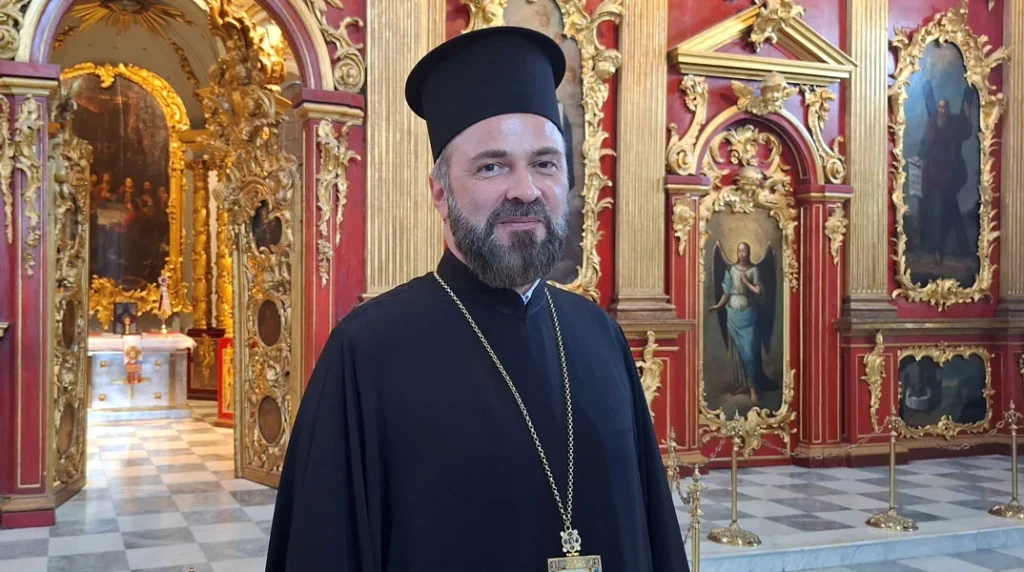
Bishop Michael of Koman speaks about life in Kyiv, the Russian invasion, the responsibility of the Church, and the Greece that shaped him.

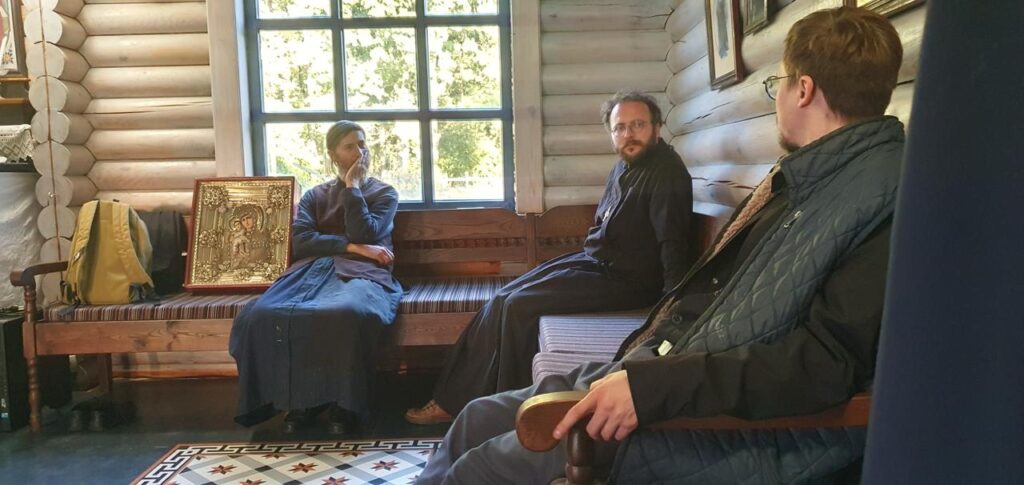
I first learned about the Way of St Anthony, dedicated to the well-known St Anthony of the Kyiv Caves, about a year ago. Ever since, I had wanted to take part in it: my intuition suggested that amid the seemingly irresolvable crisis in Ukrainian Orthodoxy and the despair brought by an endless war, this might be one of the freshest and most profound initiatives in Ukraine’s contemporary spiritual life.

Archpriest Sergei Lebedev I was asked: “Recently, the relics of St. Dmitry Donskoy were rediscovered in Moscow. But historically, this prince expelled from his lands
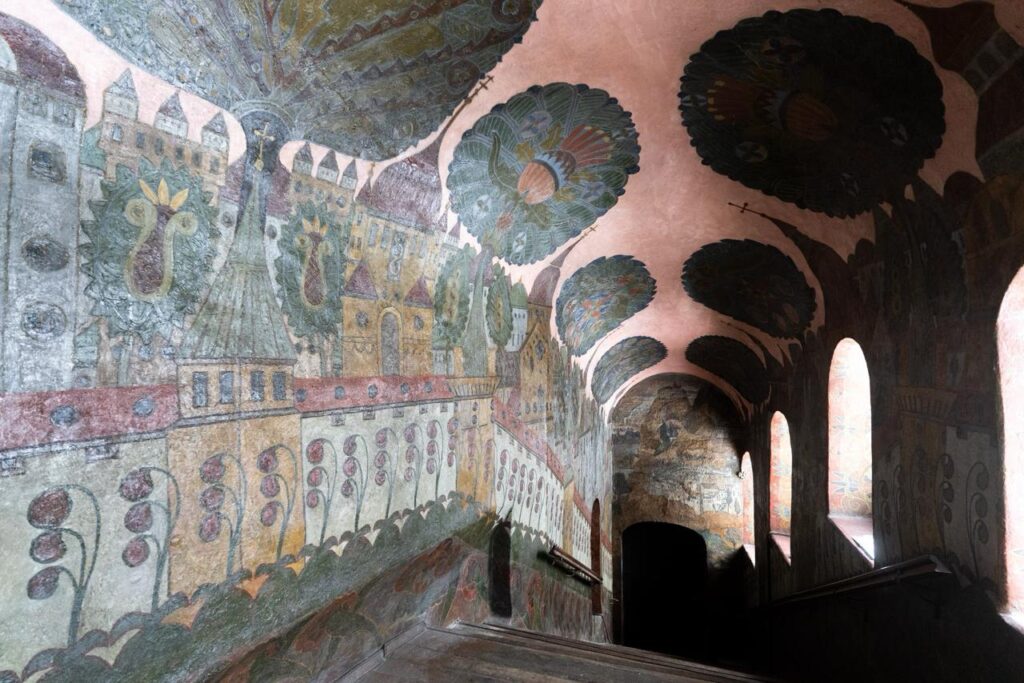
The discussion about the spiritual path of the Orthodox Church of Ukraine, as I see it, raises a much broader question. It is not only about which church practices should be preserved, which distortions should be abandoned, and which experiences of other Local Churches should be adopted.
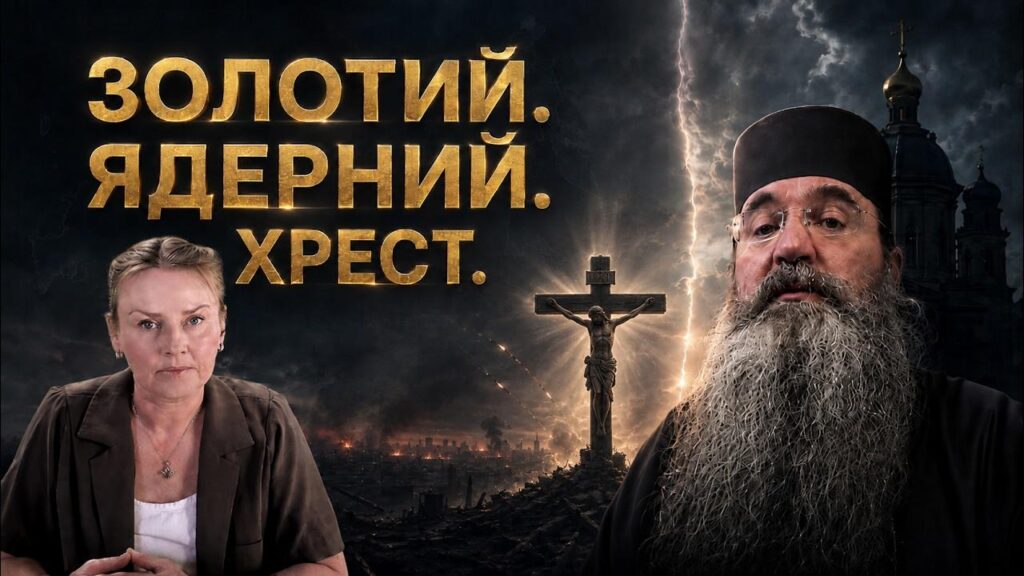
Archimandrite Nikanor is the abbot of the St. Cosmas and St. Damian Monastery in Tsrnogor (Gigintsi) and a cleric of the Bulgarian Orthodox Church. He openly supported Ukraine, found himself at the center of a high-profile conflict with the leadership of his Church, and is now standing trial before an ecclesiastical court.
We continue the webinar series of the “Youth for the Future of Ukraine” project, and today we are discussing perhaps one of the most demonized words in the context of the Ukrainian church conflict — the word “compromise.”
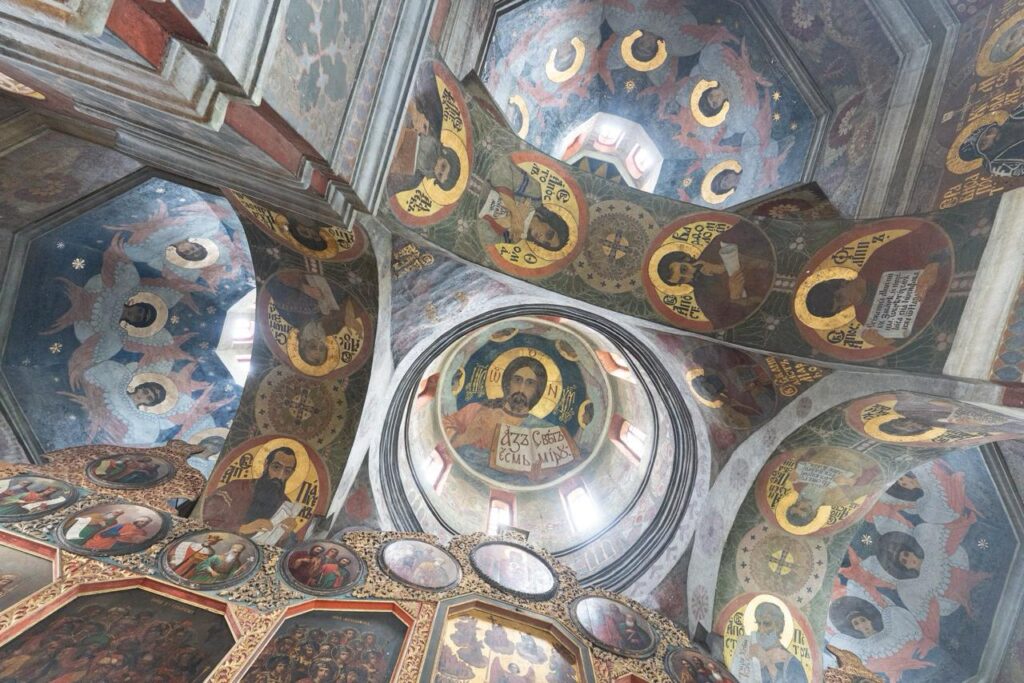
The word “unity” is often used in discussions about Ukrainian Orthodoxy as though its meaning were self-evident. Yet this is precisely where many misunderstandings begin.
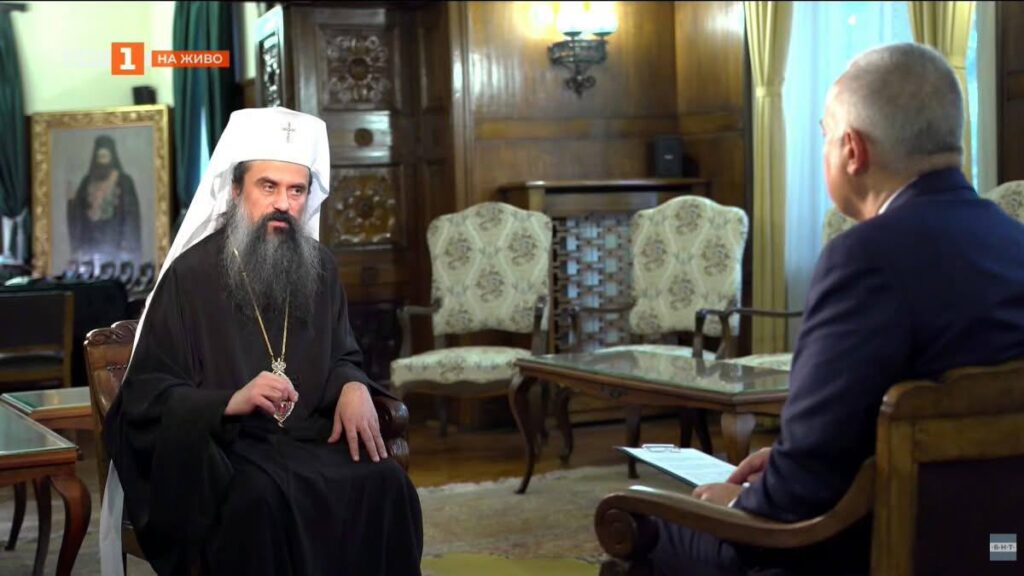
Recently, Patriarch Daniil of the Bulgarian Orthodox Church once again expressed doubts regarding the canonical status of the Orthodox Church of Ukraine.

In recent years, assertions about Russia’s special divine calling, its supposedly sacred imperial status, and its unique historical mission have become increasingly common in Russian ecclesiastical and para-ecclesiastical circles.

Vladyslav Havrylov presented testimony to USCIRF regarding the use of the Russian Orthodox Church as an instrument of war crimes against Ukrainian children.

Christ is Risen! I would very much like to write many bright, kind, and joyful words today. But I cannot pretend; I cannot portray what I do not currently possess. Therefore, I write about what lies upon my soul.
The Sophia Brotherhood has prepared and sent an official appeal to international institutions concerning the unlawful detention of the Ukrainian civilian priest Kostiantyn Maksymov.
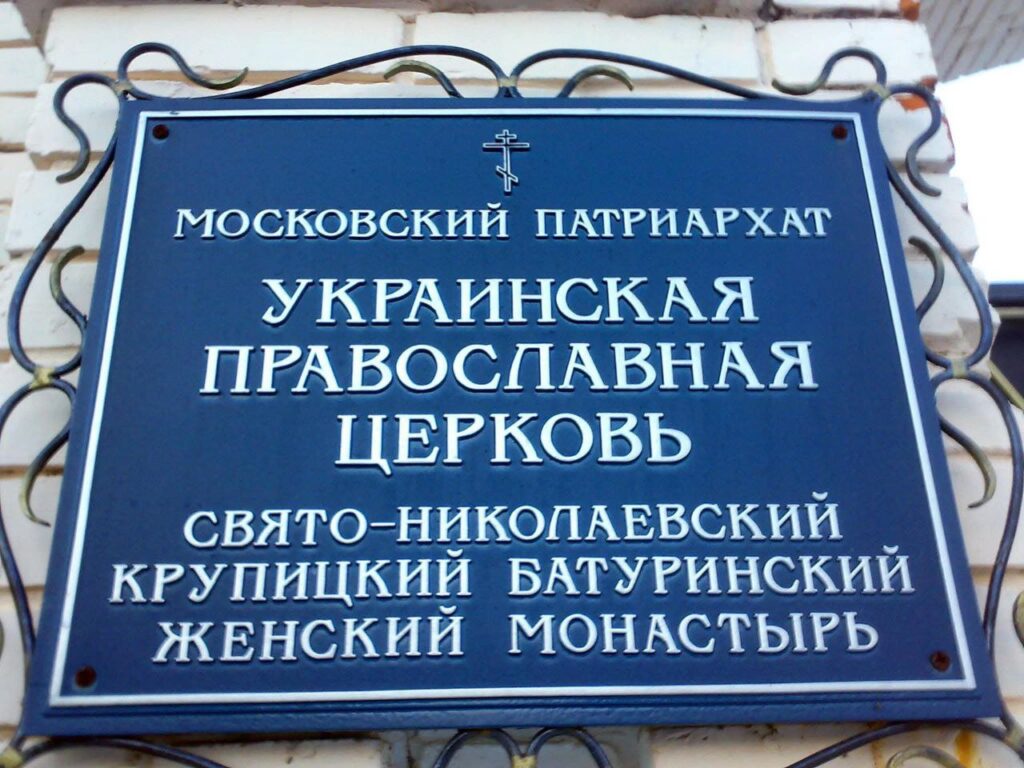
When you learn about yet another parish or monastic community being expelled from its church or monastery, it is, of course, saddening. Now this unpleasant turn has also come for the sisters of the St. Nicholas Krupytsky Monastery (near Baturyn), since part of its buildings belongs to the National Preserve “Hetman’s Capital.”
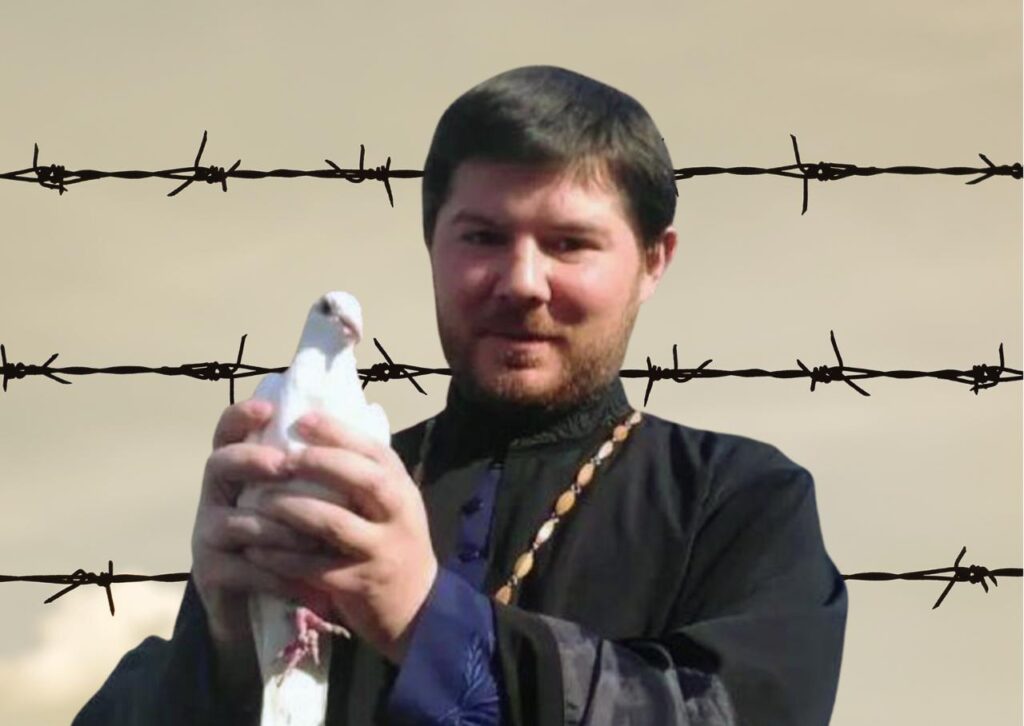
There are words that are easy to pronounce from a stage — under cameras and applause. And there are words that are difficult to whisper in a Russian penal colony — because you are punished for them. “Faithfulness.” “Conscience.” “Ukraine.”
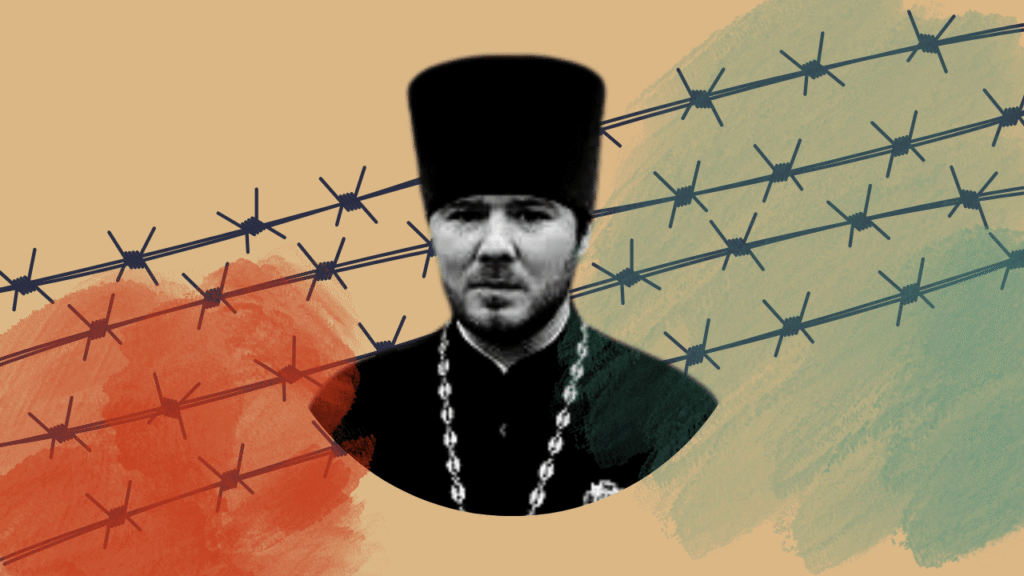
Dear friends, the mother of Fr. Kostiantyn Maksymov, a priest imprisoned by the Russians, has passed on to the Sophia Brotherhood a letter from her son—a letter addressed to those who remember him and to those who have forgotten him.
We are currently witnessing yet another surge in discussions about the future of the Ukrainian Church. Alongside the voices of real participants, video and text imitations created by artificial intelligence in favor of the Russian Orthodox Church are being added—rapidly spreading and distorting the authentic voices of the Church. What is happening? Why is this dirty information war for Ukraine’s right to have its own Church being waged so harshly and brazenly?
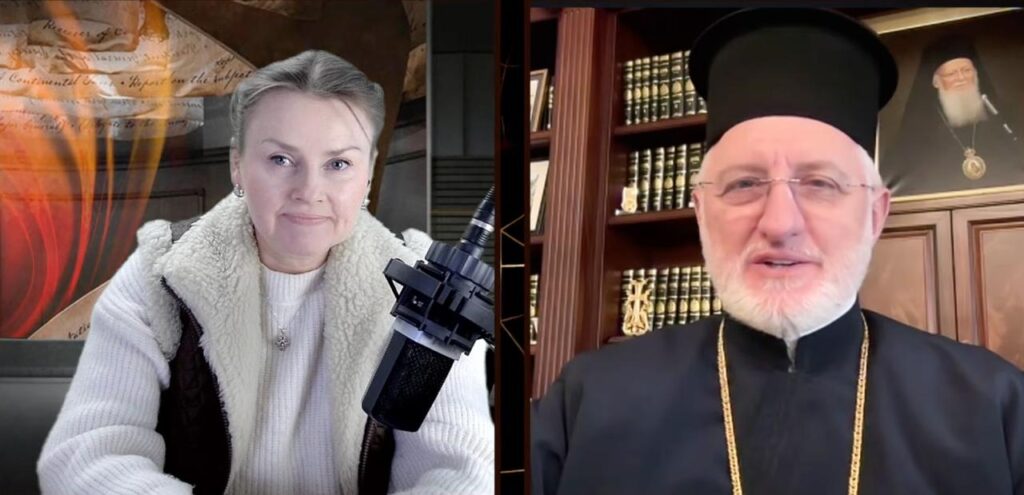
In the new episode of the YouTube channel VICHE, we present an open and principled conversation about what is happening to Orthodoxy today during the war.
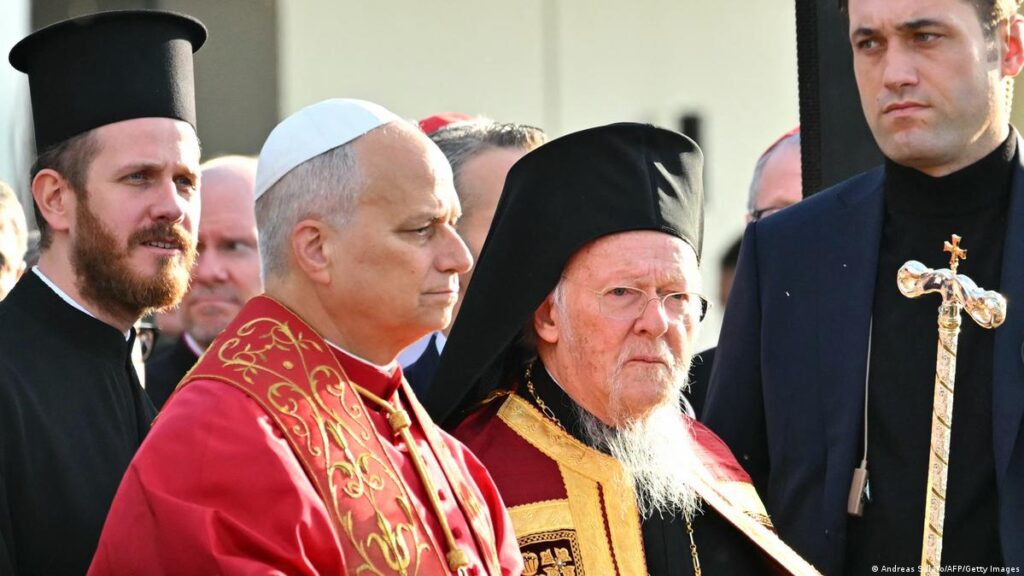
At the end of November 2025, the Apostolic Visit of Pope Leo XIV to Turkey and the Ecumenical Patriarchate took place. This journey, which lasted from November 27 to 30, was connected with several dates of great significance for the Christian world.
In 2023, President V. Zelensky set the task of resolving the issue of the activity of the Russian Orthodox Church (ROC) in Ukraine. The main goal of this task was to do everything possible to detach the UOC from the ROC, so that there would be no religious organizations in Ukraine subordinated (affiliated) to the aggressor state.
The end of 2025 proved to be particularly active for political and church-political life in Ukraine. Discussions of a peace plan and the presence of a religious component within it have prompted religious experts to pay special attention to this issue and to make certain adjustments in forecasting the development of church–state relations in 2026.
If the Ecumenical Patriarchate does not intervene promptly, the situation in Ukraine risks becoming a pawn in political games. Without violating the Tomos of Autocephaly and without unnecessary conflicts, the Ecumenical Patriarchate could mediate for a permanent resolution of the ecclesiastical crisis in Ukraine by establishing a temporary Exarchate to “house” that part of Metropolitan Onuphry’s flock which wishes to sever ties with Moscow definitively but refuses to join the officially recognized Church of the country.
Fragment of the presentation “The Ecosystem Approach as a Methodology for Shaping a Shared Proper and Dignified Future: the Place and Role of the Church,”
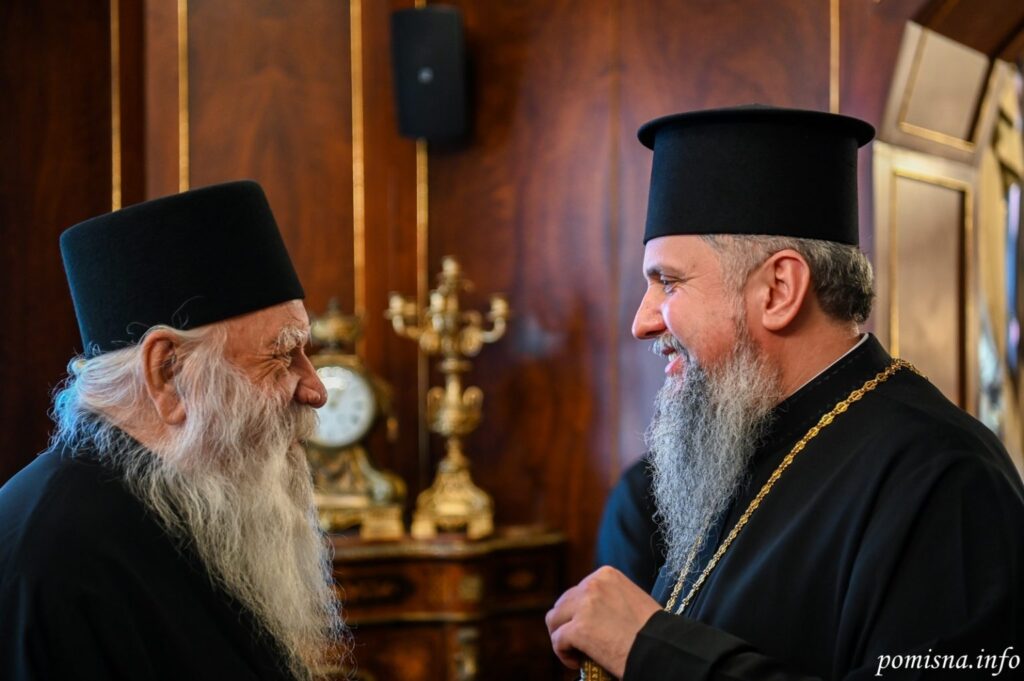
Much noise has been created by various websites concerning the forthcoming visit of His Eminence Metropolitan Epiphanius of Kyiv and All Ukraine to Mount Athos.

When Patriarch Kirill speaks about a “civilizational choice” and the “awakening of the consciousness of Historical Rus’,” he is, in fact, referring not to spirituality but to geopolitical metaphysics — an attempt to justify empire through theology.
“The Truth About the Persecution of the UOC” — is not about loud statements from bishops who for years have been scaring society with imaginary
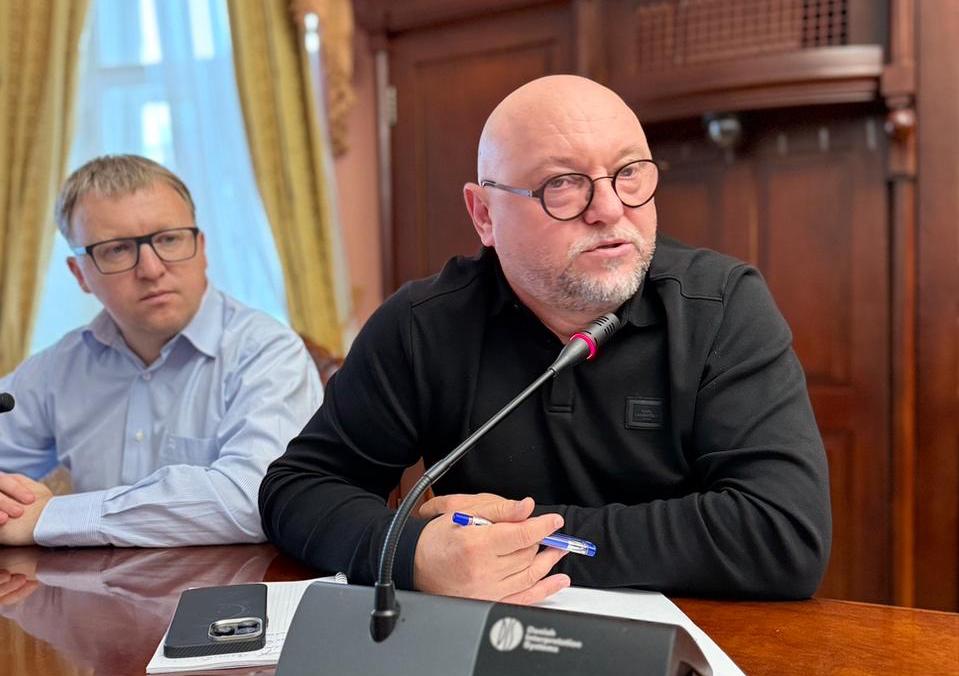
The first statement of Christ is: “You will hear of wars and rumors of wars…” Since I wrote a commentary on the Gospel of Matthew, I delved into the meaning of this text.
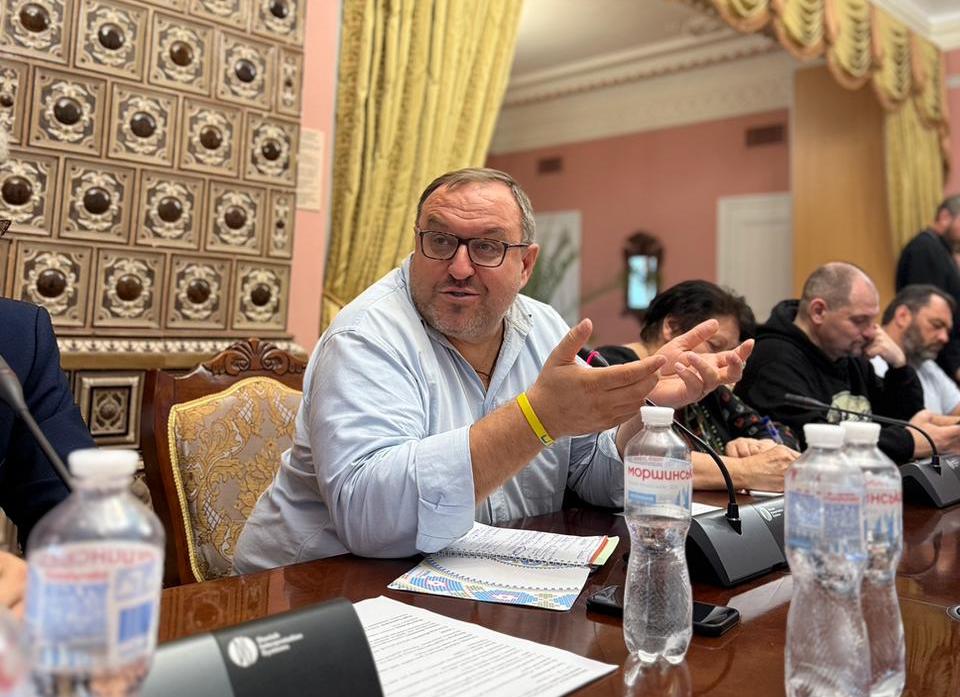
The presentation was delivered on September 17, 2025, at the Round Table “From Dispelling Myths to the Search for the Common Good: Contemporary Dialogical Initiatives
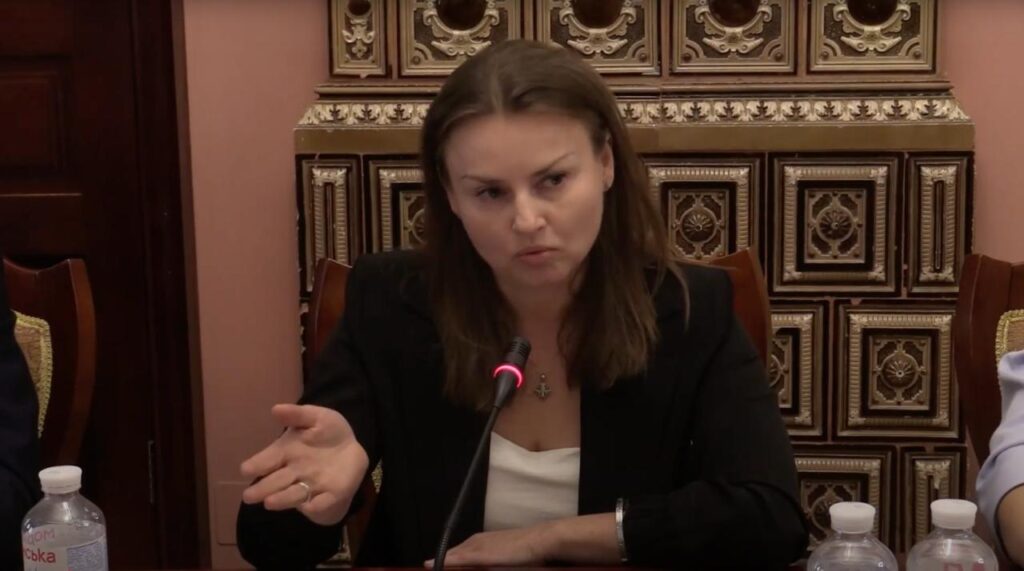
The presentation was delivered on September 17, 2025, at the Round Table “From Dispelling Myths to the Search for the Common Good: Contemporary Dialogical Initiatives
The material was created within the mini-project “Thinking Out Loud” for the joint project of the Sophienbruderschaft and the German foundation Renovabis, “Modern Ukrainian Orthodoxy:
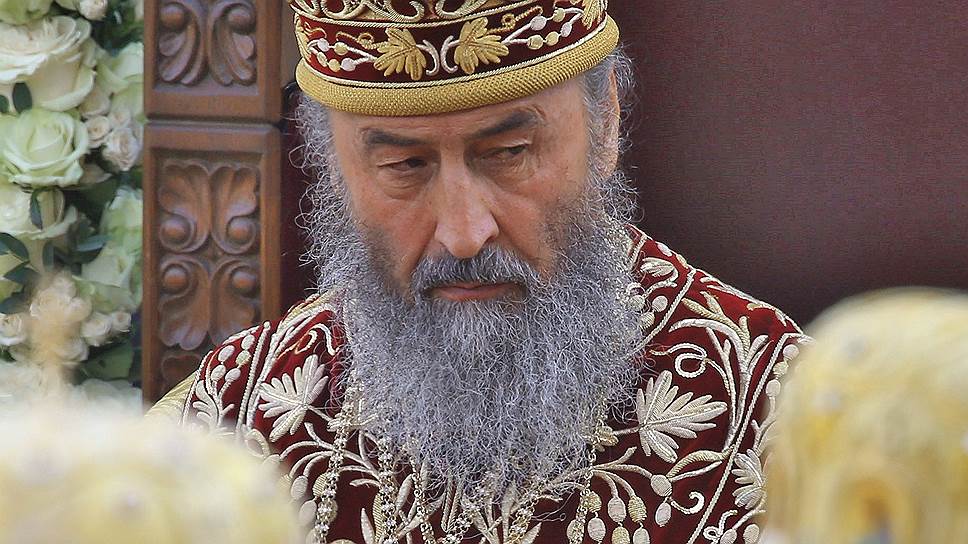
The phrase of the rector of the Kyiv Theological Academy, His Grace Archbishop Sylvester Stoichev, about the “de facto autocephaly of the UOC”, which he voiced in a podcast in Vinnytsia, stirred almost the entire ortho-segment of the Ukrainian internet. There was a sea of debates, with even more remarks and comments.
In the territories of Donbas and Pryazovia controlled by the Armed Forces of the Russian Federation, clergy and church activists whose faith does not please the “new authorities” are being repressed. Novaya Gazeta Europe examines the case of a Zaporizhzhia priest of the Ukrainian Orthodox Church (UOC) sentenced to 14 years of strict regime — the very church that Moscow, until very recently, called “canonical.”
The article was written within the framework of the joint project of the Sophienbruderschaft and the German foundation Renovabis, “Modern Ukrainian Orthodoxy: Debunking Myths for
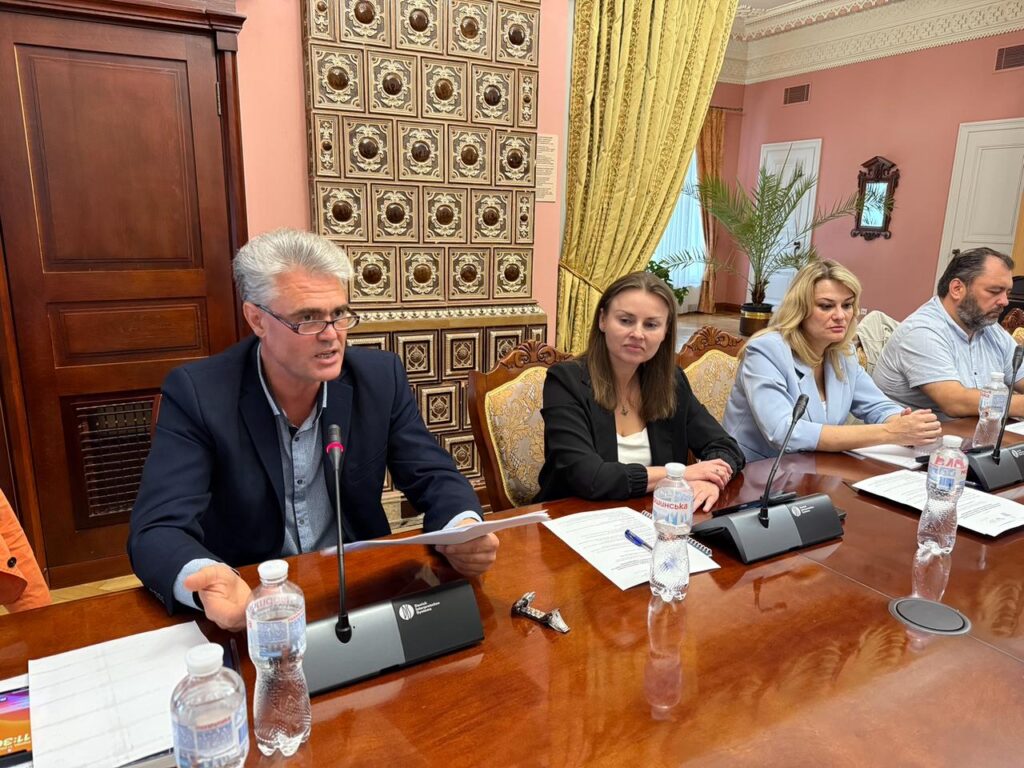
I would like to sum up, to some extent, the work carried out by the Sophia Brotherhood over the past six months, which has been devoted to “debunking the myths” of Ukrainian Orthodoxy.
How should the sacralization of the victims and heroes of the war take place? Is the “Ukrainianness” of the UOC a part of its genotype that will be passed on by inheritance?
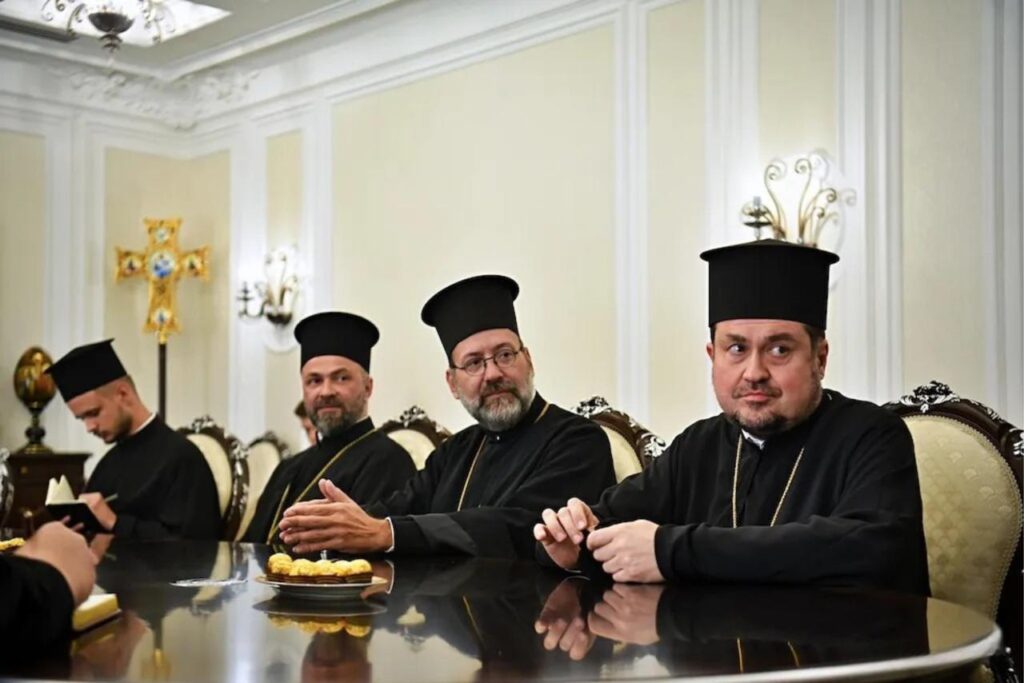
Recently, on the air of the television channel Espreso, the well-known religious scholar Andriy Kovalyov raised the issue of the possibility of establishing in Ukraine an Exarchate of the Ecumenical Patriarchate.

What is the “survivor’s guilt” and how does it affect communication within society? What effect does Metropolitan Onufrii achieve by reducing sermons about the war to the statement of soteriological truisms?
How do believers think? Why do two Orthodox identities exist in Ukraine? How does the “exclusion from reality” mechanism work, and what happens when religious identity is replaced by loyalty to an institution?
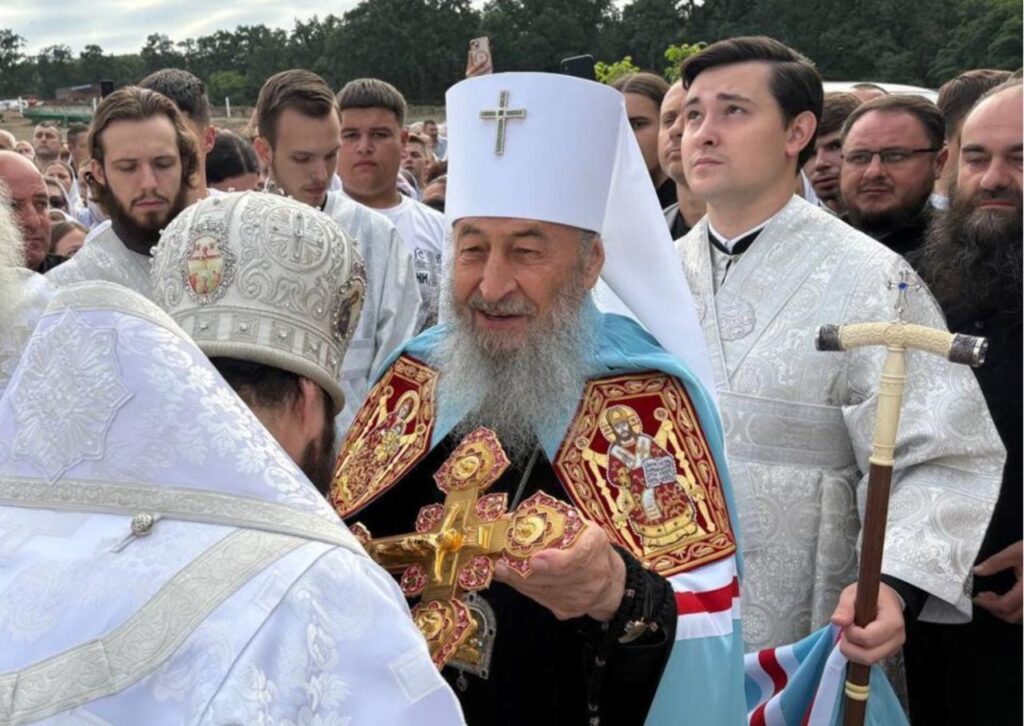
The media outlet Glavcom recently published an interview with Ukrainian Member of Parliament Yuliia Sirko — one of the active lobbyists for the swift implementation of the Law of Ukraine “On the Protection of the Constitutional Order in the Sphere of Religious Organizations” (better known as the Law on the Prohibition of the UOC), adopted by the Verkhovna Rada in August last year. Ms. Sirko spoke in detail about the difficulties that arise in putting this law into practice, either due to objective circumstances or the human factor.
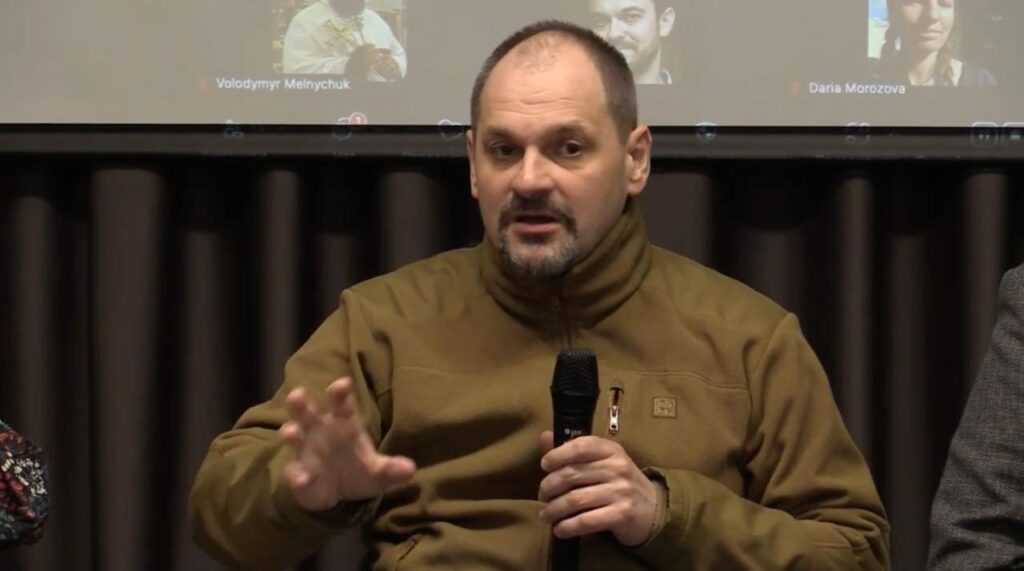
Every theologian works in two possible modes. One mode is prophetic ministry, and the other is teaching ministry.
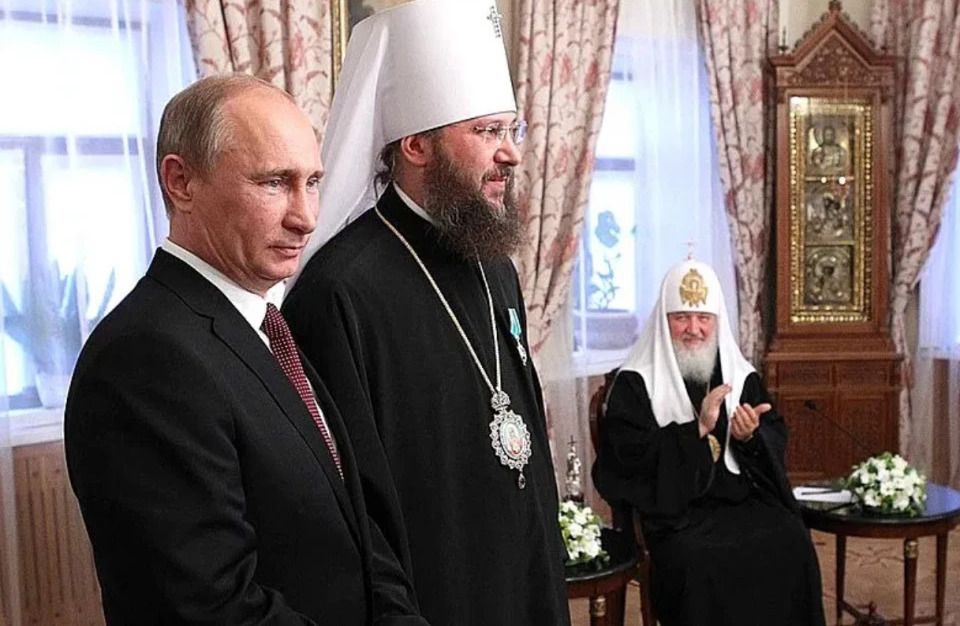
On a well-known online resource close to the Chancellor of the UOC, Metropolitan Antonii (Pakanych), a publication appeared titled: “The Chancellor: we do not understand the ‘brotherhoods’ that support persecutors of the Church.”
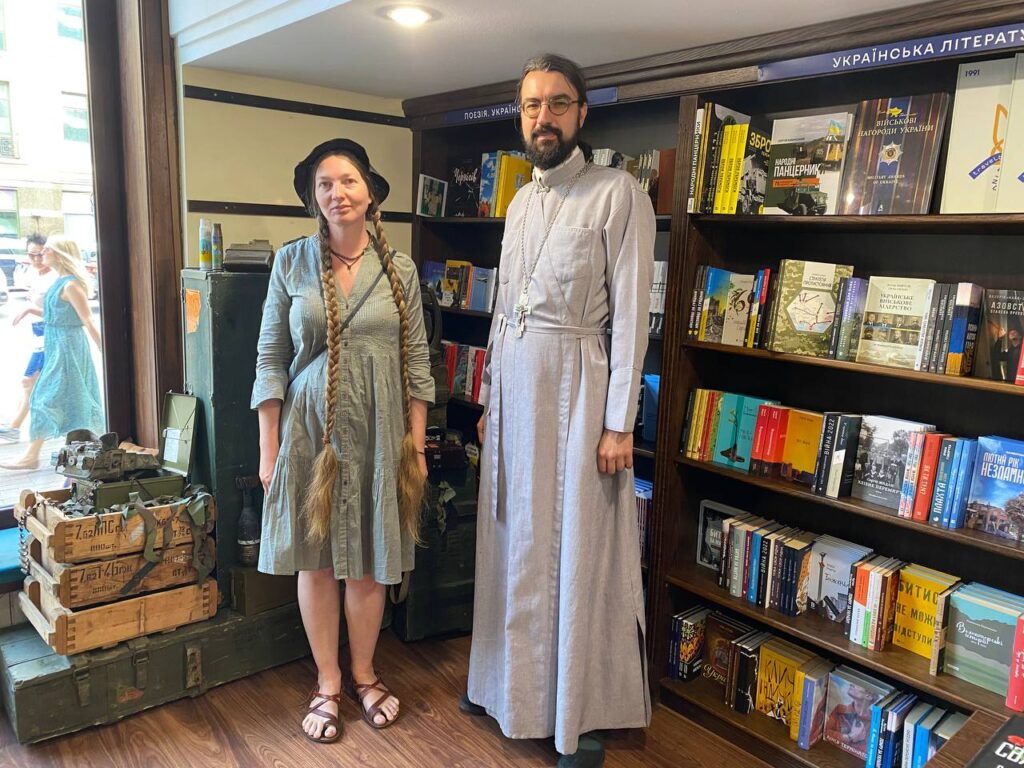
That’s the best-case scenario: that they know at least those two liturgies exist. In the worst case, they only know that there’s “a liturgy,” or “a church service,” or simply “a worship.”
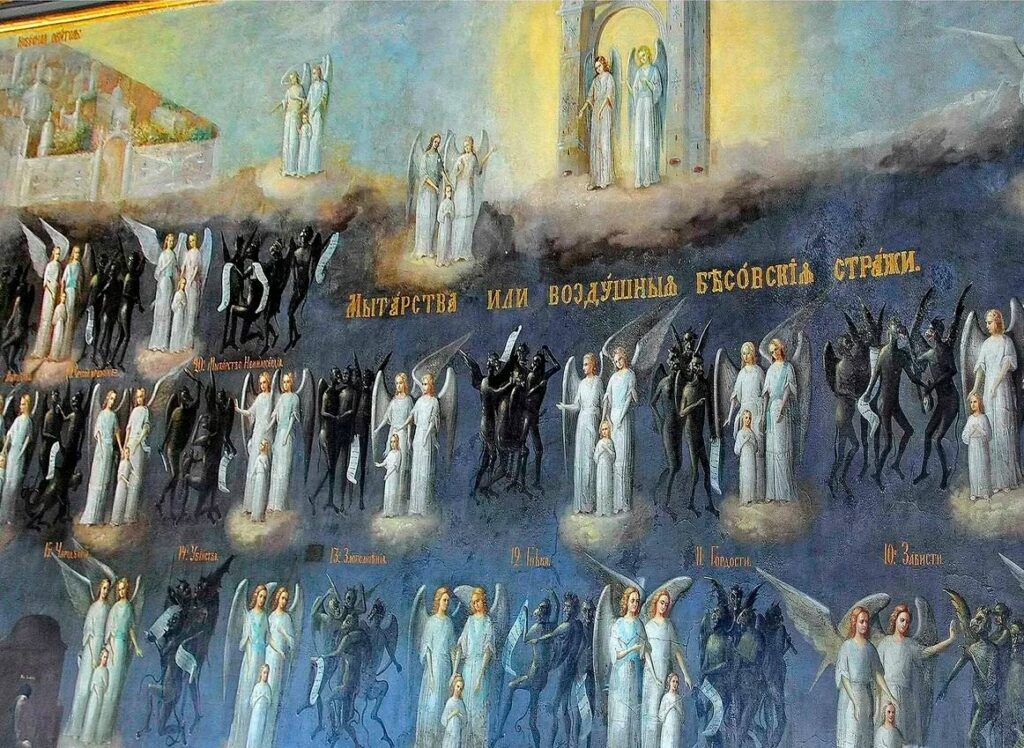
How should we treat the teaching about the aerial toll houses? How can it be reconciled with the Gospel teaching? Why do neither Christ nor the Apostles mention the toll houses?
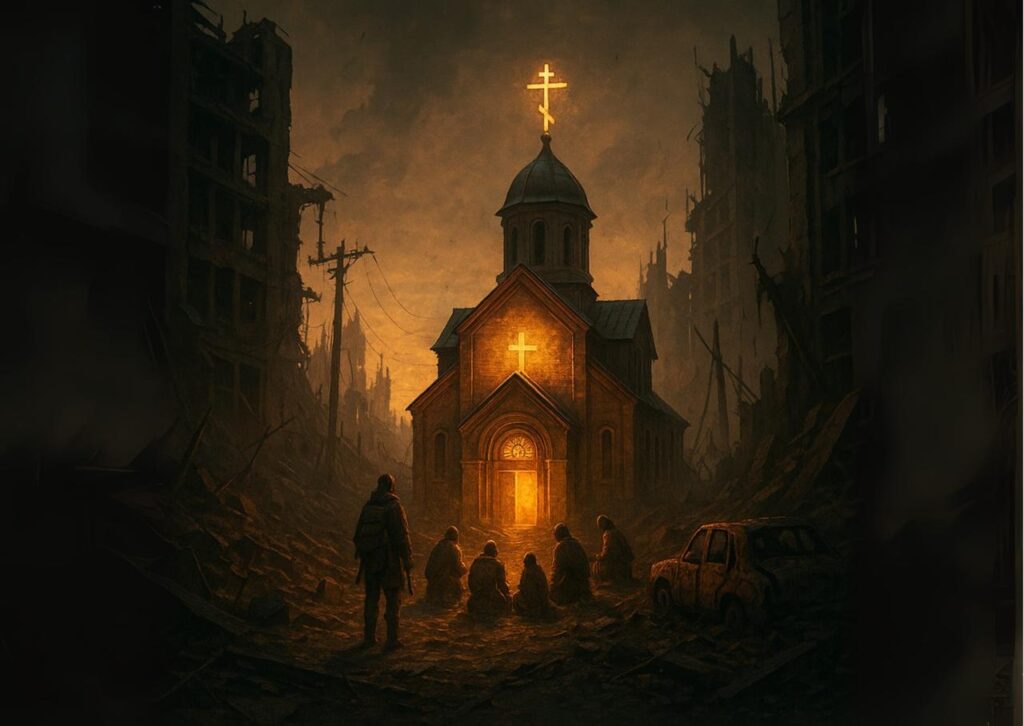
We shouldn’t just construct random myths or ideas, like the concept of an “open Orthodoxy of a new kind.” We must construct myths that grip, that infect people.
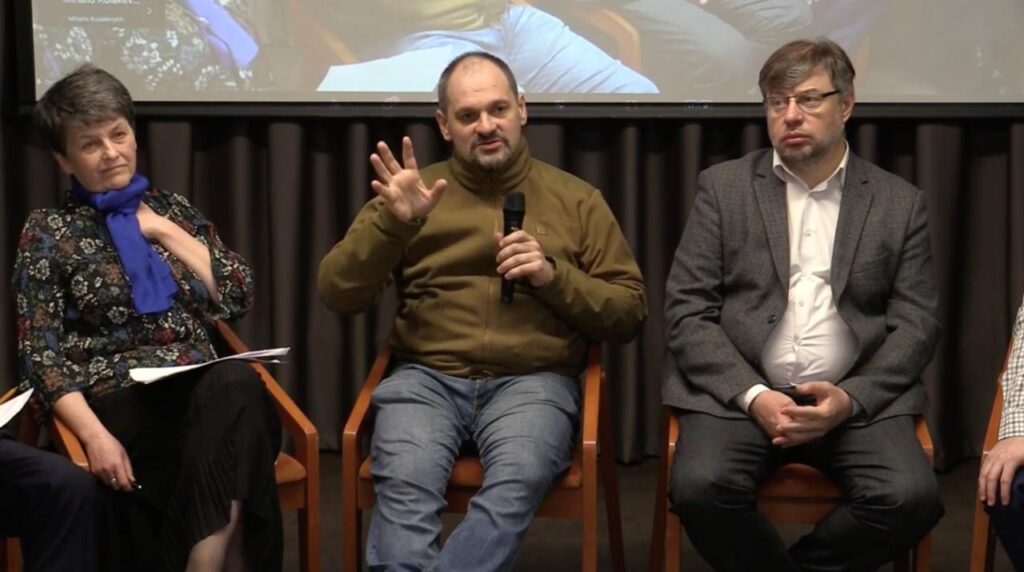
Let’s be realistic. Option one: the Ukrainian Orthodox Church (UOC) recognizes that Constantinople is the Mother Church.
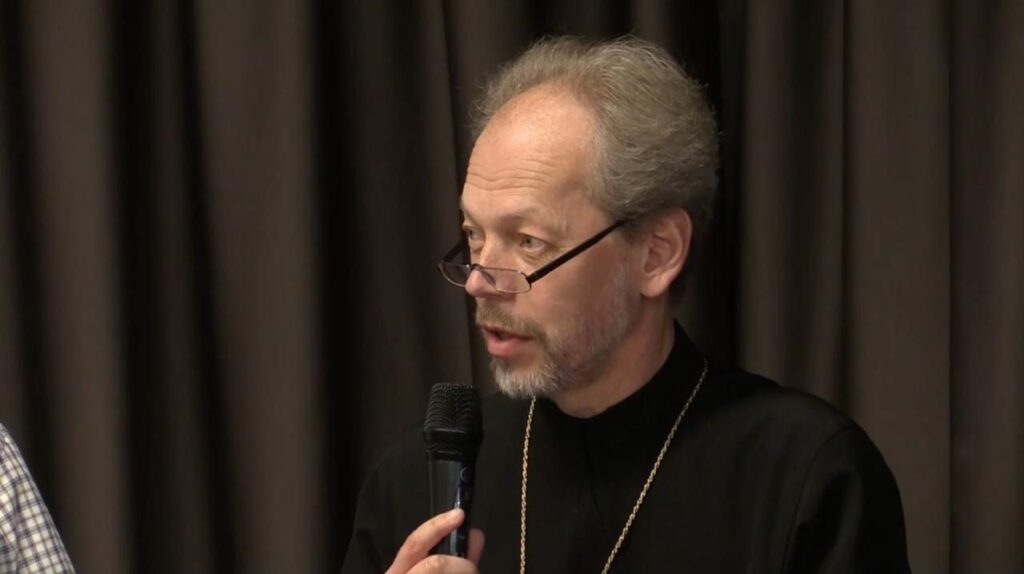
One must become someone who has their own “autocephaly”—that is, their own head—and act accordingly. In truth, these decisions are being made at every level.
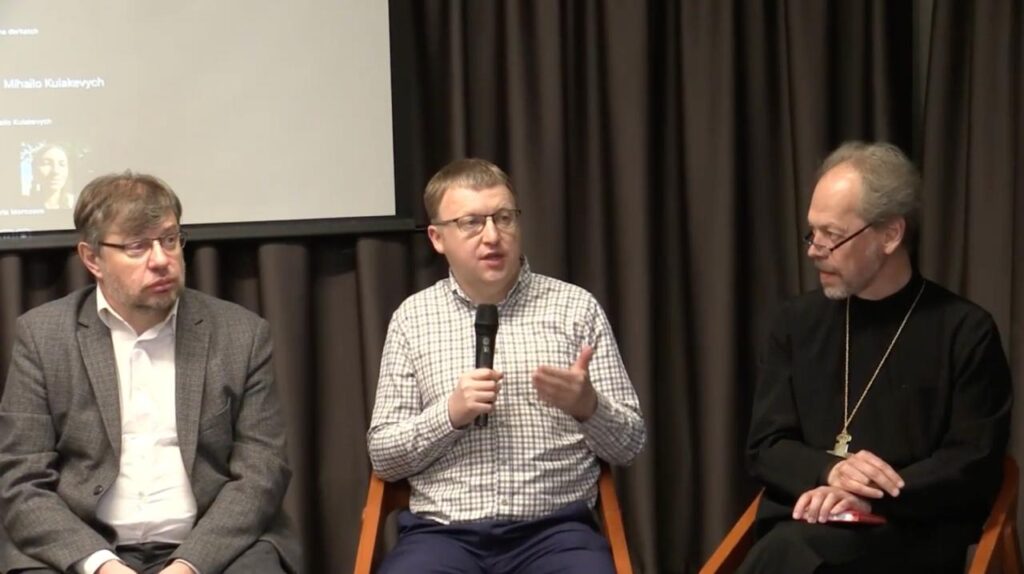
Doesn’t it seem to you that the way different jurisdictions interpret the canons, how they understand canon law and the role of the Tomos in that, actually serves not to unite, but rather to divide us?

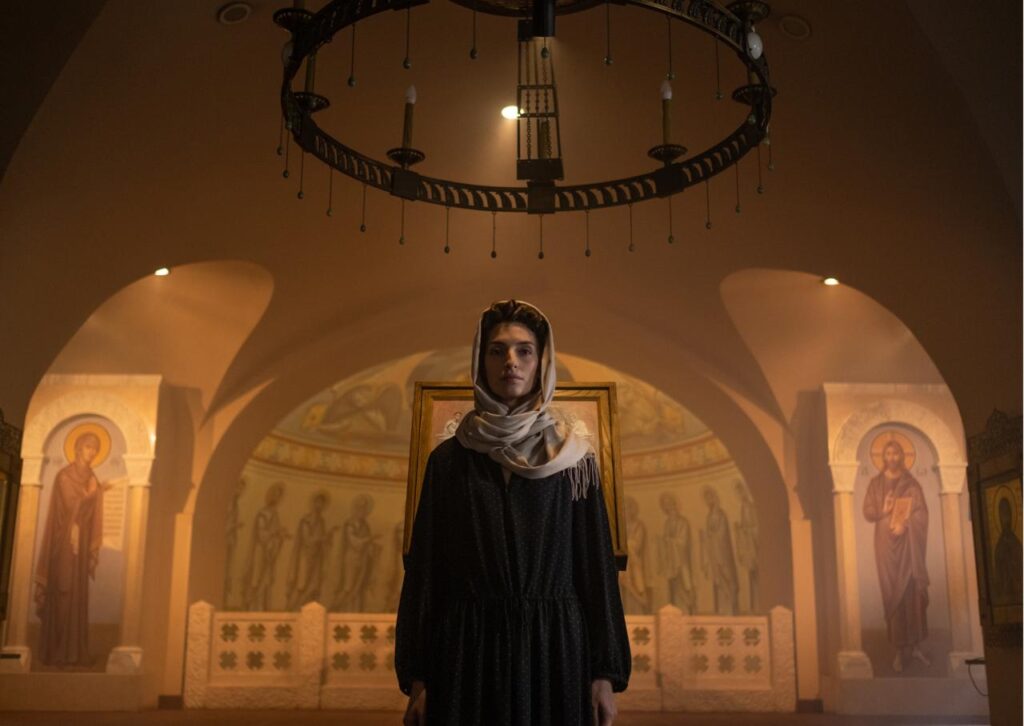
A young woman enters a church to pray. It’s her first time here, so she doesn’t know many of the customs or rules.
We cannot live without myths altogether. But some myths must, and can, be dismantled.
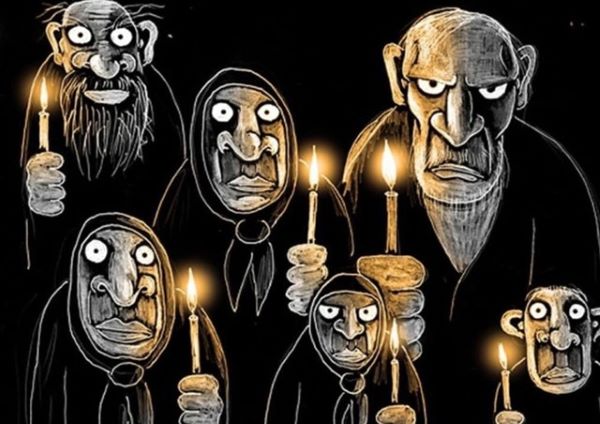
Amidst ecclesiastical confrontations, loud proclamations, and political maneuvering, one voice seems to get lost the most easily – the voice of the ordinary parishioner.
I would like to present three real-life examples of when people – and sometimes entire parishes – for various reasons decided to leave the Ukrainian Orthodox Church of the Moscow Patriarchate (UOC-MP) and move to the Ukrainian Orthodox Church of the Kyiv Patriarchate (UOC-KP).
I come from a rare parish where a three-year catechism course is part of church life. In a sense, our community members could be called “victims” of catechesis.

Once I read a quote in the book “Conversations on Spiritual Motherhood” attributed to the late Holy Father Francis: “Every true shepherd must smell like his sheep.”
In Ukraine, a battle has begun between the Chalcedonian constitutional-federalist model and the modern confederative-despotic model, and the prehistory of this struggle is much older than the 2019 Tomos.
In the turbulent sea of contemporary Ukrainian Orthodoxy, where religious currents collide with geopolitical storms, the question “What is faith?” arises with particular urgency.
Sometimes we try to break through the thickest ice and be active in serving God and the Church in every possible area—regardless of whether we are truly gifted or simply doing a poor imitation.
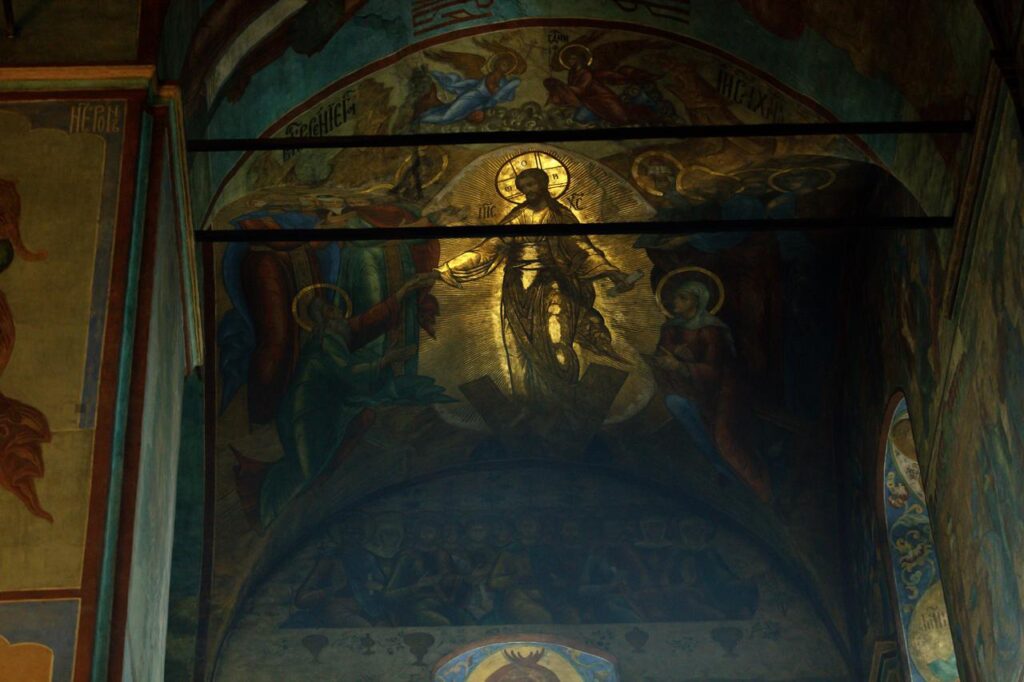
Part of the “Thoughts Aloud” mini-series created jointly by the “Sofia Brotherhood” and the German foundation Renovabis, within the project “Contemporary Ukrainian Orthodoxy: Breaking Myths
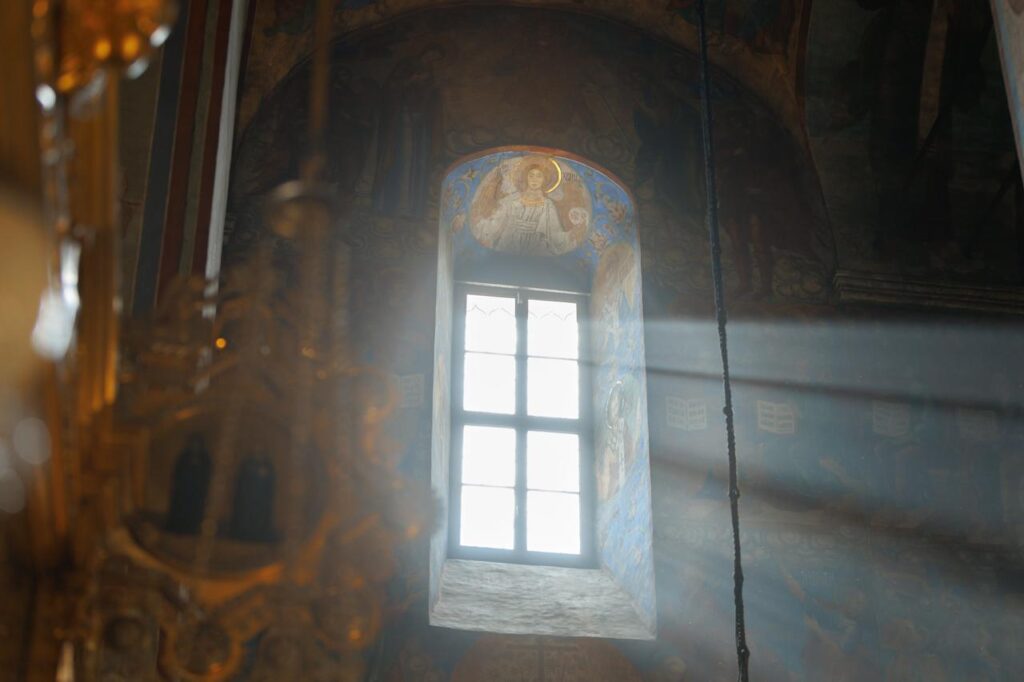
#thoughts_aloud: Prayer at the rupture: when God is one, but people are different. Reflections of a UOC priest from a small Ukrainian village
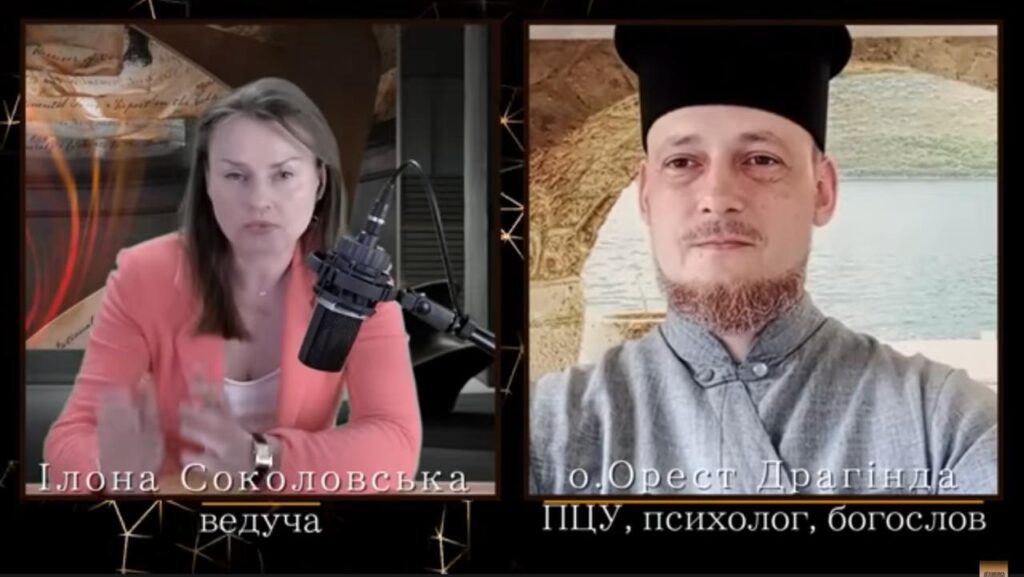
Christ said: “Those who are well have no need of a physician, but those who are sick.” Is contemporary Ukrainian Orthodoxy ready to look in the mirror and acknowledge its illness?