
This article is part of the mini-project “Thoughts Aloud” for the joint initiative of the Sophia Brotherhood and the German foundation Renovabis, titled “Contemporary Ukrainian Orthodoxy: Debunking Myths for the Sake of Reconciliation Among Orthodox Christians in Ukraine and the Consolidation of Ukrainian Society.” The Sophia Brotherhood does not necessarily endorse every viewpoint shared by contributors; individual opinions may not reflect the Brotherhood’s official stance.
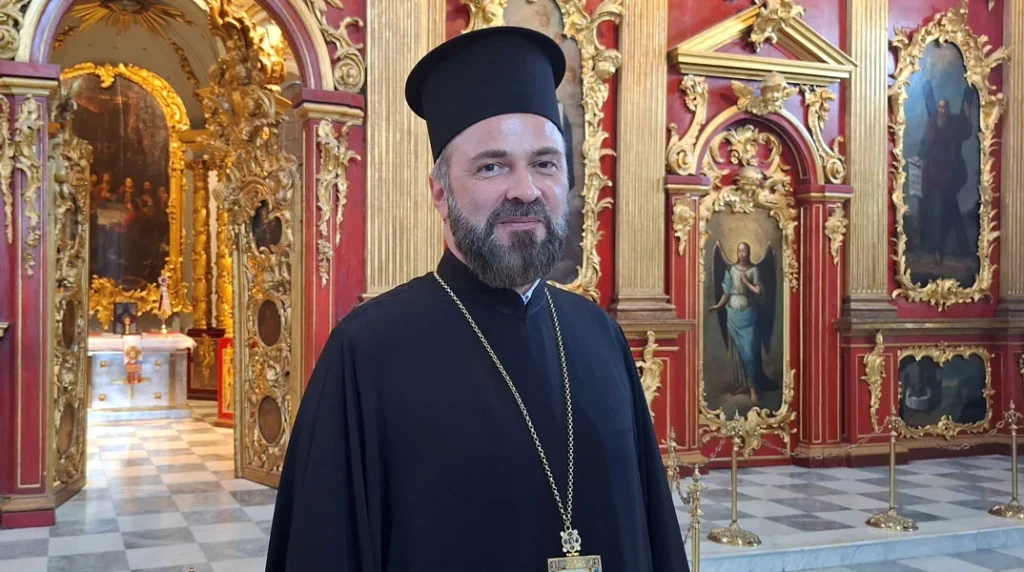
Archpriest Vitaliy Kuzmych, member of the Sophia Brotherhood
Amid the modern context of war and the struggle for freedom, Ukraine is undergoing not only political and military renewal, but also spiritual rebirth. This is especially true for the Orthodox Church, which increasingly understands its mission to stand with the people and serve both truth and unity.
Ukrainian Orthodoxy: Between Empire and Nation
The history of Ukrainian Orthodoxy is deeply intertwined with a fierce struggle for identity. After the subordination of the Kyiv Metropolis to the Moscow Patriarchate in 1686, the Ukrainian Church became, in many respects, an instrument of Russian influence.
Only in recent times, through a long fight for autocephaly and canonical recognition, did the Orthodox Church of Ukraine receive its Tomos in 2019—a pivotal moment signifying a new chapter in Ukrainian ecclesiastical history.
The War’s Challenge to the Church
With Russia’s full-scale invasion in February 2022, Ukrainian society expected a clear ecclesiastical response. The Orthodox Church of Ukraine firmly sided with the people—praying for victory, providing chaplaincy services, offering humanitarian aid, and blessing defenders.
Meanwhile, the Ukrainian Orthodox Church, aligned with the Moscow Patriarchate, found itself in a trust crisis. Despite formally proclaiming “independence” in May 2022, many of its bishops refrained from publicly condemning the aggressor, deepening internal division.
A Societal Demand for Unity
Laypeople, clergy, youth, and chaplains—all increasingly yearn not for conflict, but for unity. Spiritual community matters more than administrative barriers. This has sparked a real, though not always public, dialogue.
PCU–UOC Dialogue: Early Signs of Understanding
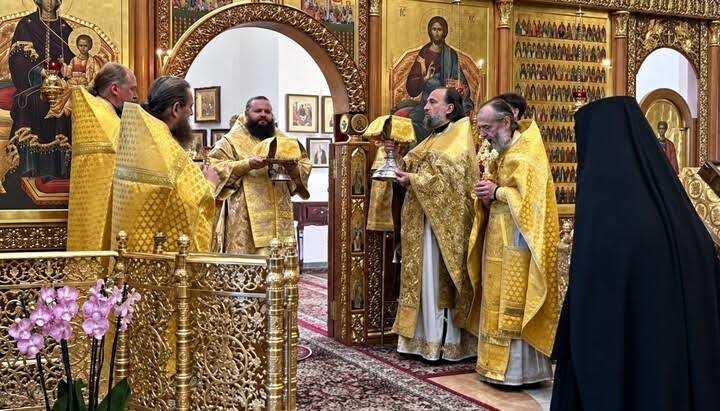
Despite a complicated legacy, dialogue at the local level between the Orthodox Church of Ukraine and the Ukrainian Orthodox Church is not only possible—it is already underway. Some UOC clergy affirm their support for Ukraine, engage in joint prayer for servicemen, and incorporate national symbolism into worship.
While gradual, these processes are irreversible. They dismantle outdated notions of an “eternal schism” and pave the way for internal ecclesial renewal.
The Sophia Brotherhood: Mission of Unity
In this ongoing process, the Sophia Brotherhood—a community of priests, theologians, and lay activists rooted in the Kyiv tradition—plays a significant role. We consistently advocate for spiritual reconciliation among Ukrainian Orthodox believers, emphasizing: “Unity cannot be imposed—it must grow out of our shared pain, prayer, repentance, and truth.”
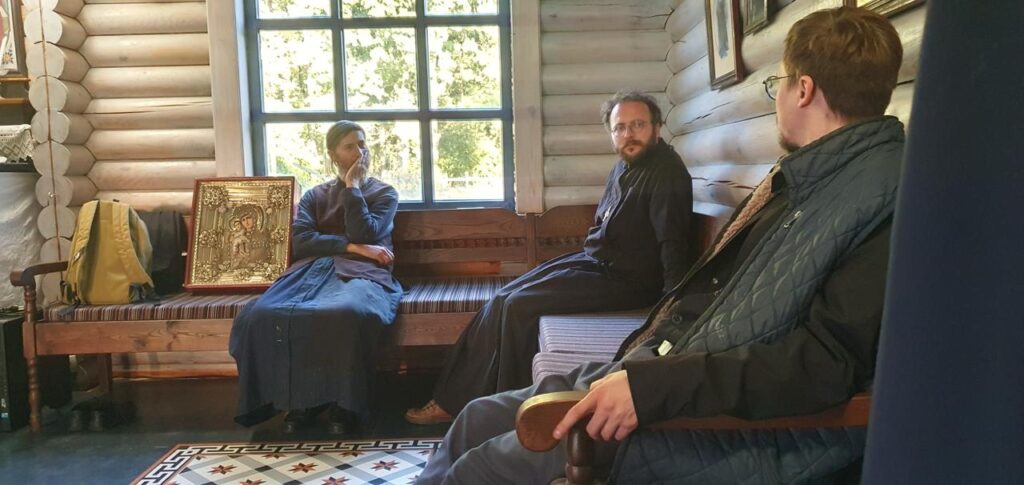
The Brotherhood organizes theological discussions, facilitates correspondence among priests, and holds both public and private conversations characterized not by condemnation, but by genuine willingness to listen. This is a tangible spiritual pathway where trust is being rebuilt.
National Identity: Not a Threat but the Context of Faith
Ukrainian Orthodoxy no longer sees national identity as a threat. On the contrary, nationhood, language, and culture have become integral to church life. Praying in Ukrainian, honoring national heroes, and serving together in times of sorrow—all are authentic expressions of worship in contemporary times.
Conclusion: Unity Through the Cross, Not Through Decree
The future of Ukrainian Orthodoxy depends on its ability to serve people rather than ideologies; to stand for truth, not power; and to follow the resurrected Christ in today’s reality—not cling to the past. Dialogue is not weakness—it is strength. And unity is not compromise—it is a calling.
Ukraine is changing, and the Church must adapt—or be left behind. Thanks to efforts by groups like the Sophia Brotherhood, there is hope that this transformation will be not coerced, but blessed.