Daryna Morozova, Sophia Brotherhood
In the life of the Church, there are prominent events accompanied by solemn celebrations and attracting international attention, and there are events that pass almost unnoticed yet are no less important or remarkable. Is it not astonishing that even in wartime, religious life in the Chernihiv region has not come to a standstill, but continues to flourish and develop? Just as in the fourth, eleventh, or eighteenth centuries, sketes are being founded in remote wildernesses, exquisite churches are being built, icons are being painted deep in forests that still bear numerous scars of the Russian occupation, quiet and heartfelt prayers and ancient chants rise to God in the silence of the night forest, and new liturgical hymns are being composed in Ukrainian. Such ministry does not generate media excitement, but perhaps it is precisely here that the deeper essence of the Church’s life is to be found.
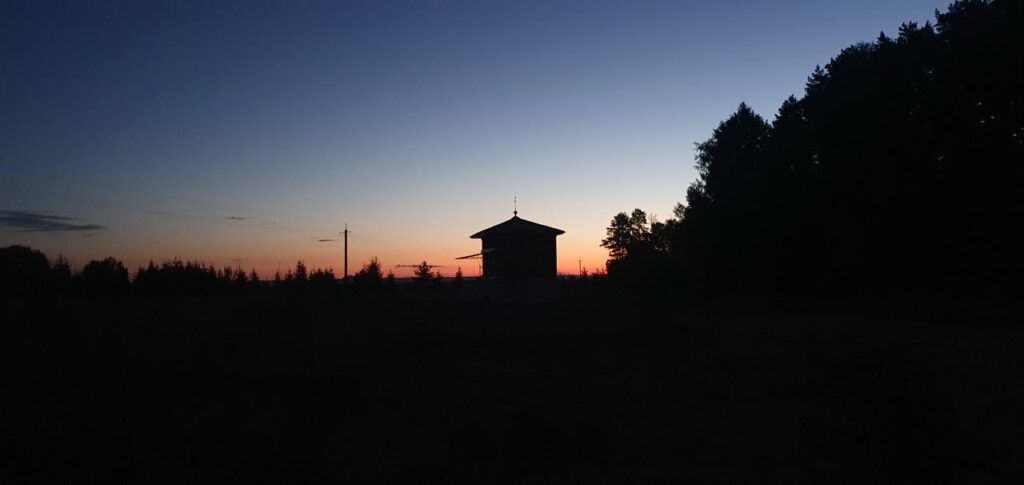
What is hidden is more closely connected with what is visible than it may seem. According to insider information, it is precisely the development of monasticism that serves as an indicator of Ukraine’s living ecclesial tradition in the eyes of the wider Orthodox world. This criterion sometimes informs how the Orthodox Church of Ukraine (OCU) is viewed by other Local Orthodox Churches – at least by those of their sound-minded representatives who are not swayed by bribes or hostile propaganda. Such observers – monks and laypeople alike – eagerly await the cultivation of a distinctive monastic tradition by the young Ukrainian Church. And we do have good news for them.
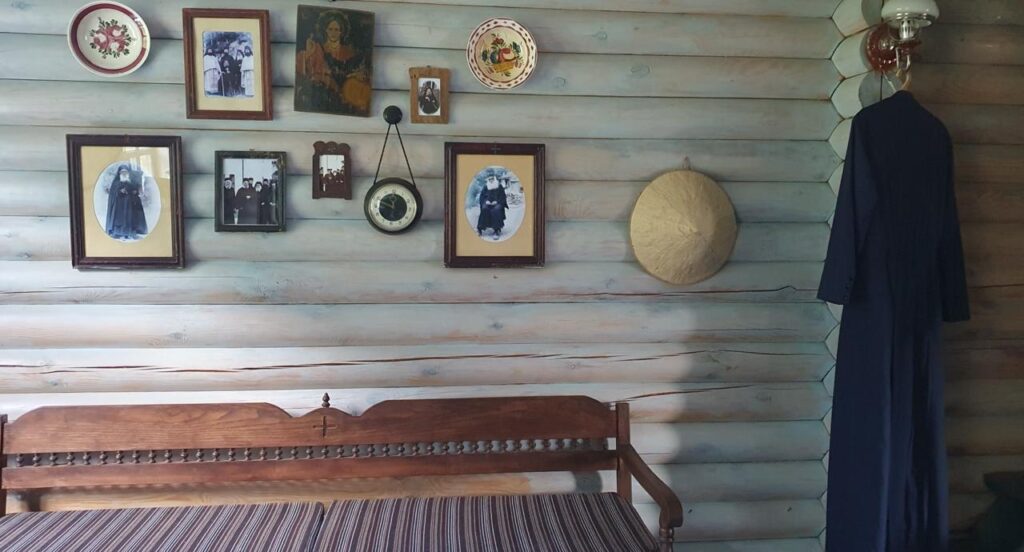
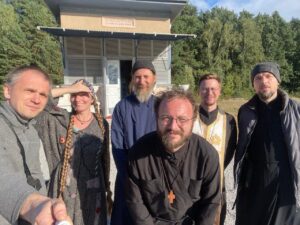
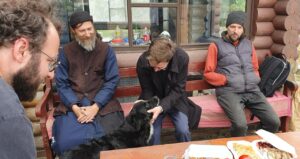
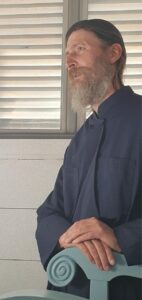
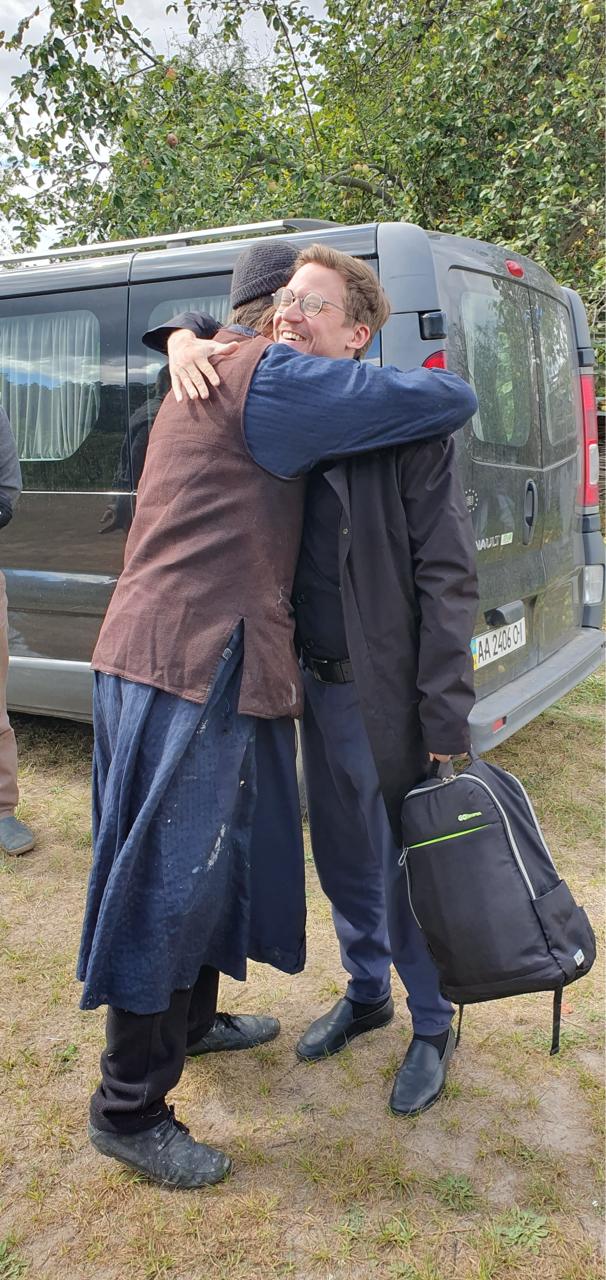
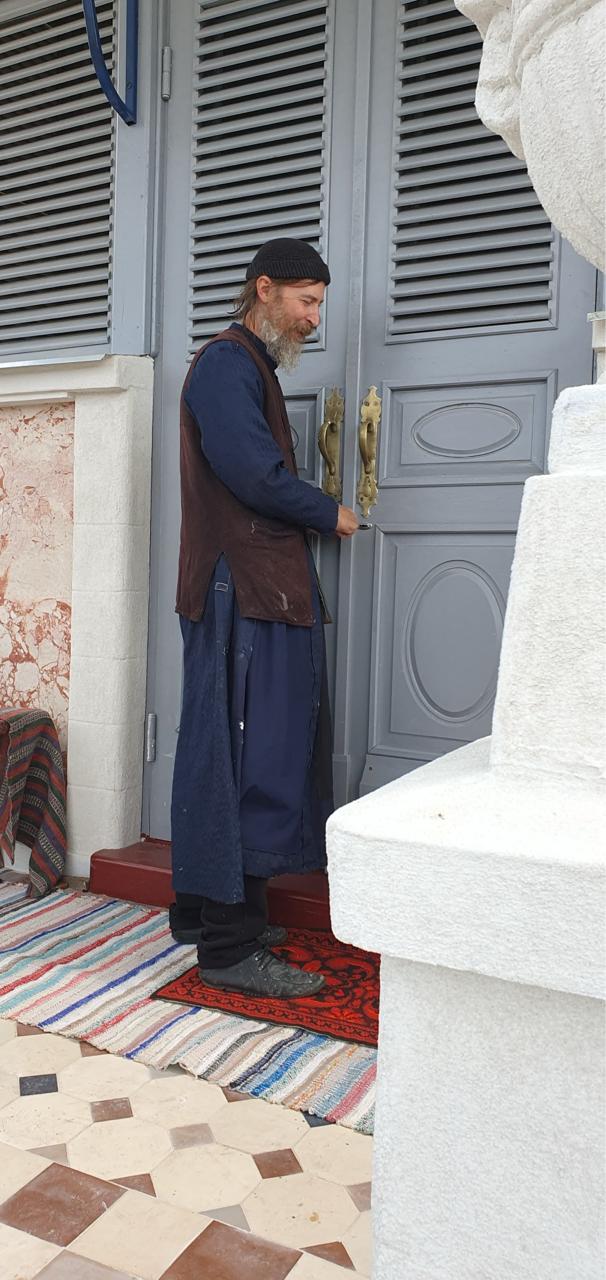
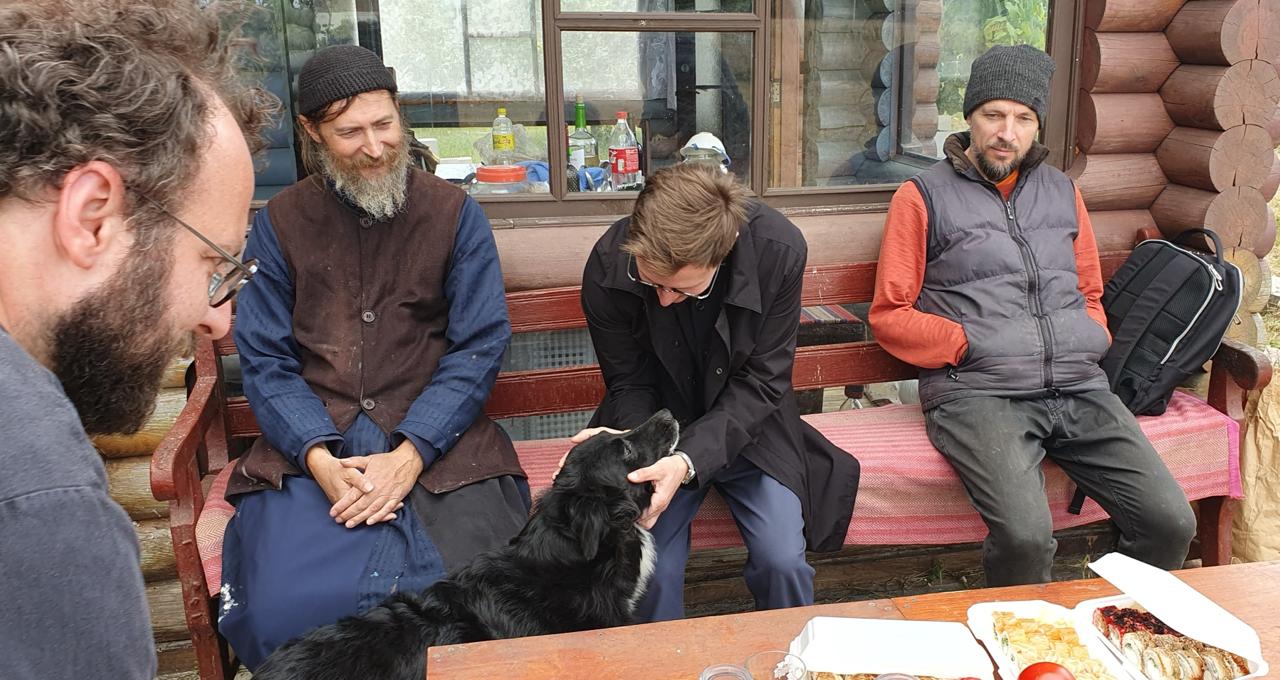
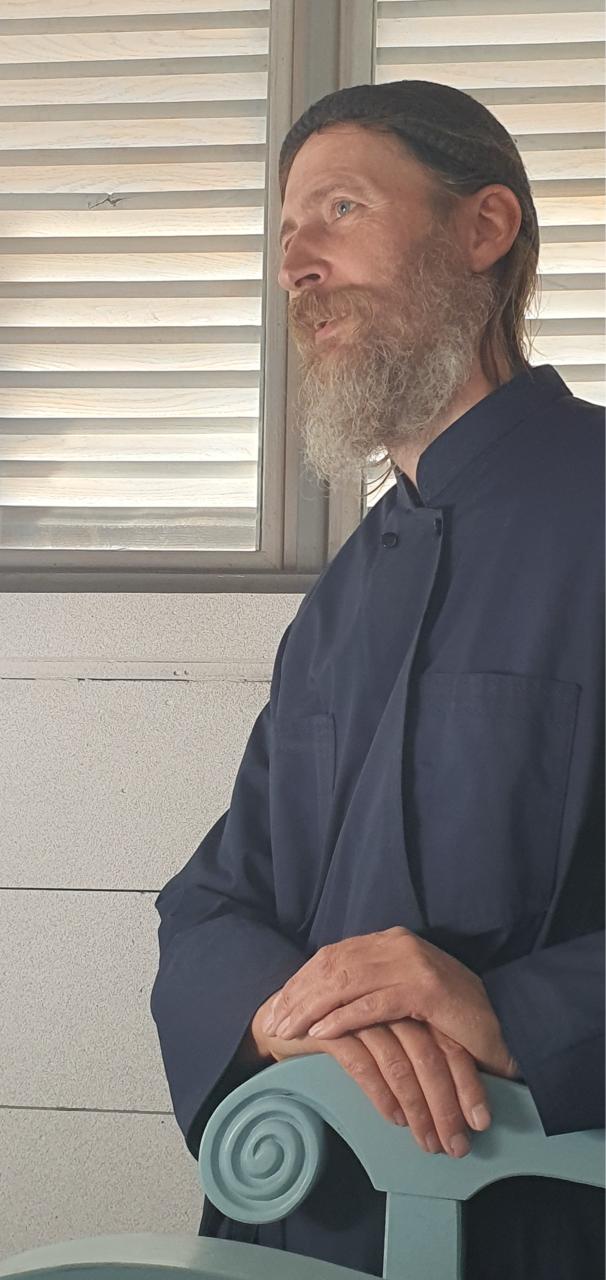
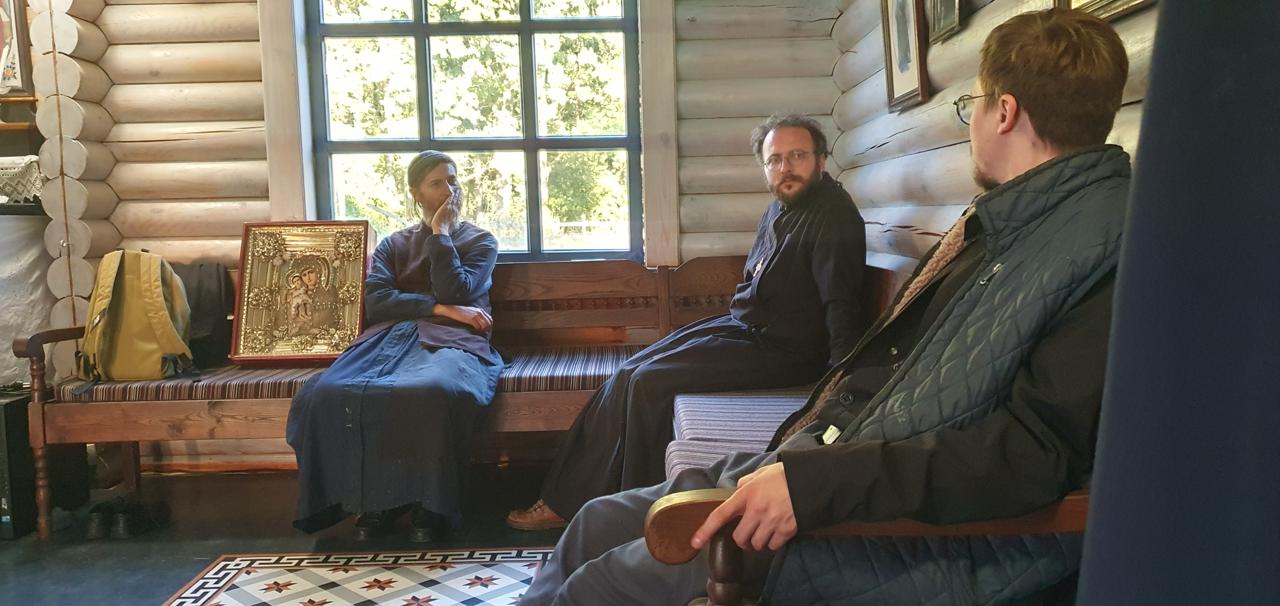
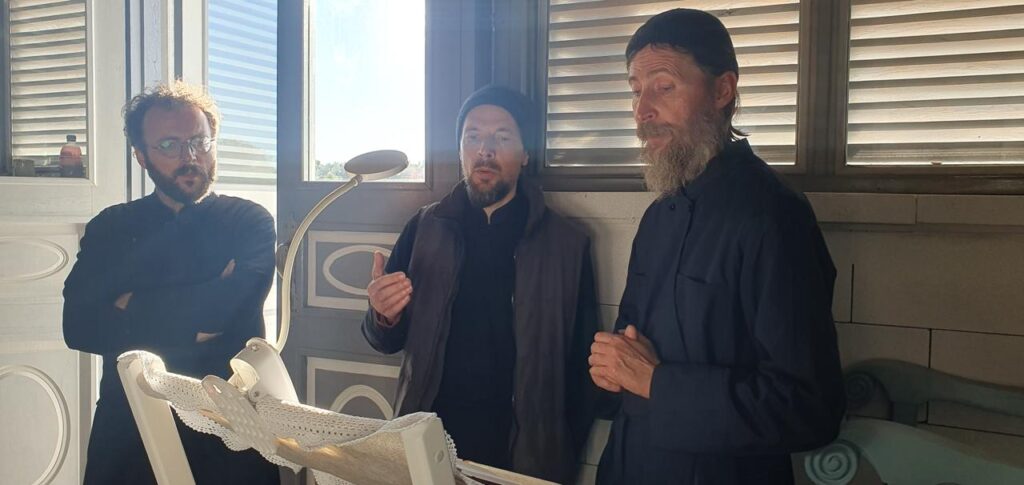
For three years now, an OCU hieromonk, icon painter, and restorer, Father Yanuarii Honchar, together with several brothers, has been establishing a new skete in a remote and uninhabited corner of the Chernihiv region. The skete, dedicated to St John the Forerunner, is part of the recently founded Monastery of St John the Theologian in Nizhyn (abbot – Hieromonk Petro Tsiura). Monastic buildings are under construction at the skete, a site has been marked out for the monastery church, and a monastic brotherhood is beginning to take shape.
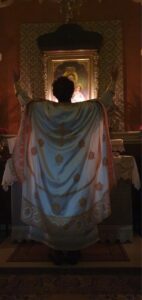
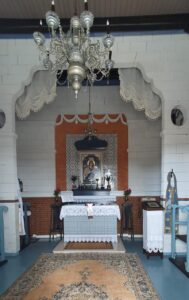
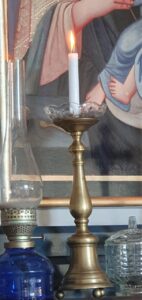
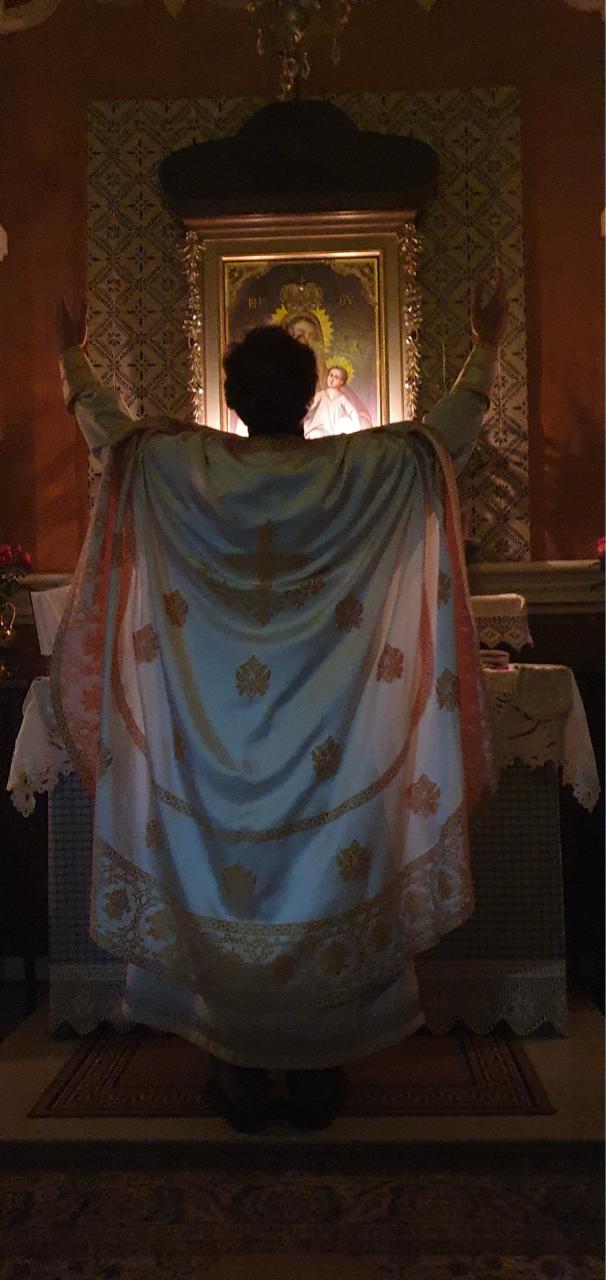
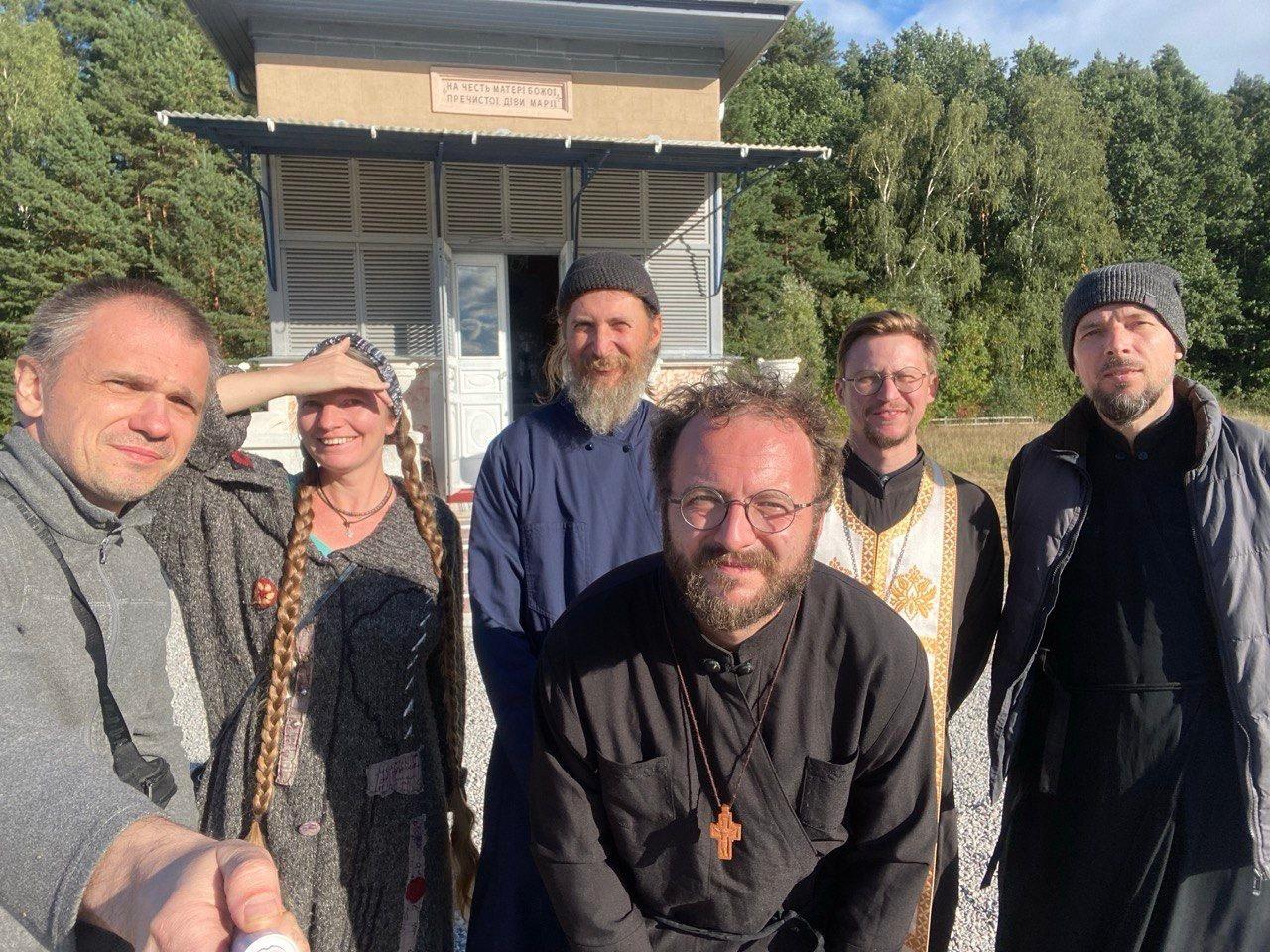
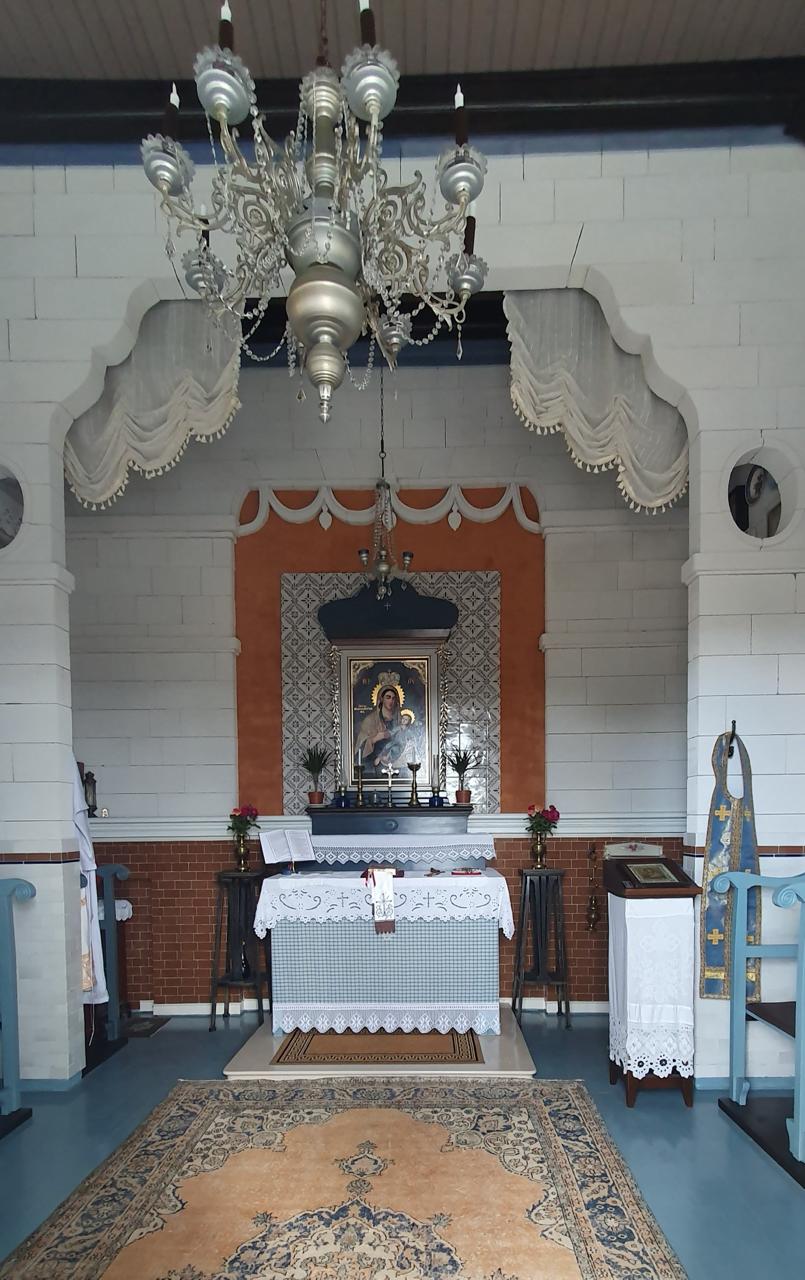
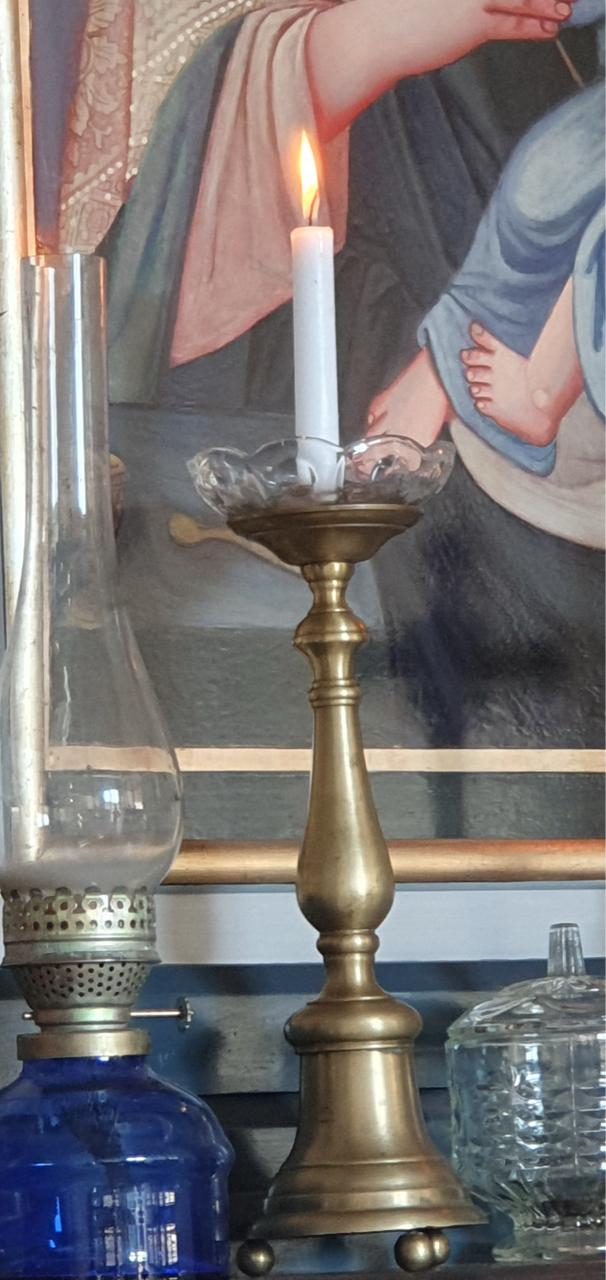
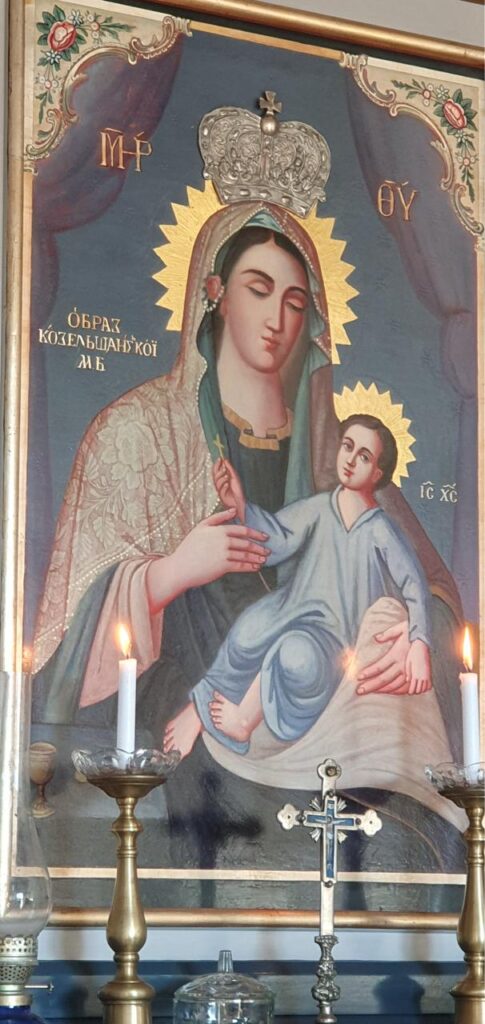
At the end of the summer, Bishop Antonii of Chernihiv and Nizhyn consecrated the skete’s first chapel, and on 8 September, the Feast of the Nativity of the Mother of God, an overnight Divine Liturgy was celebrated there, bringing together friends of the monastery. The chapel is dedicated to the Kozelshchyna Icon of the Mother of God, which is especially venerated by the brotherhood. Tradition associates this icon with a number of healings from paralysis and disorders of the musculoskeletal system – something that has once again become particularly relevant in wartime. This Ukrainian Baroque icon from Kozelshchyna in the Poltava region follows an Athonite iconographic tradition in which Mary, with her eyes lowered, is deeply immersed in prayer. Fr Yanuarii depicted the Mother of God in the traditions of post-Byzantine icon painting while at the same time drawing on Ukrainian folk art – note, for example, the little pink rose behind Her ear.
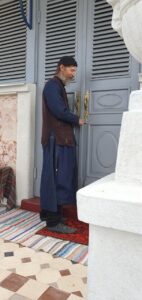
Perhaps it was through the prayers of the Mother of God that, in 2022, the advance of the occupying army was halted precisely in the field where today the OCU brotherhood is building and adorning the dwelling place of the Mother of God with such tenderness and care. As in all the buildings he constructs, restores, or paints, Fr Yanuarii seeks to revive within these walls the living and authentic spirit of Ukraine’s ancient tradition of piety. Every detail here is meant to be in its proper place so that, taken together, everything forms a coherent aesthetic whole – for now, this vision is partly inspired by the aesthetics of the warm Mediterranean.
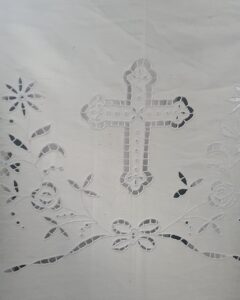
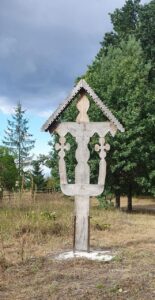
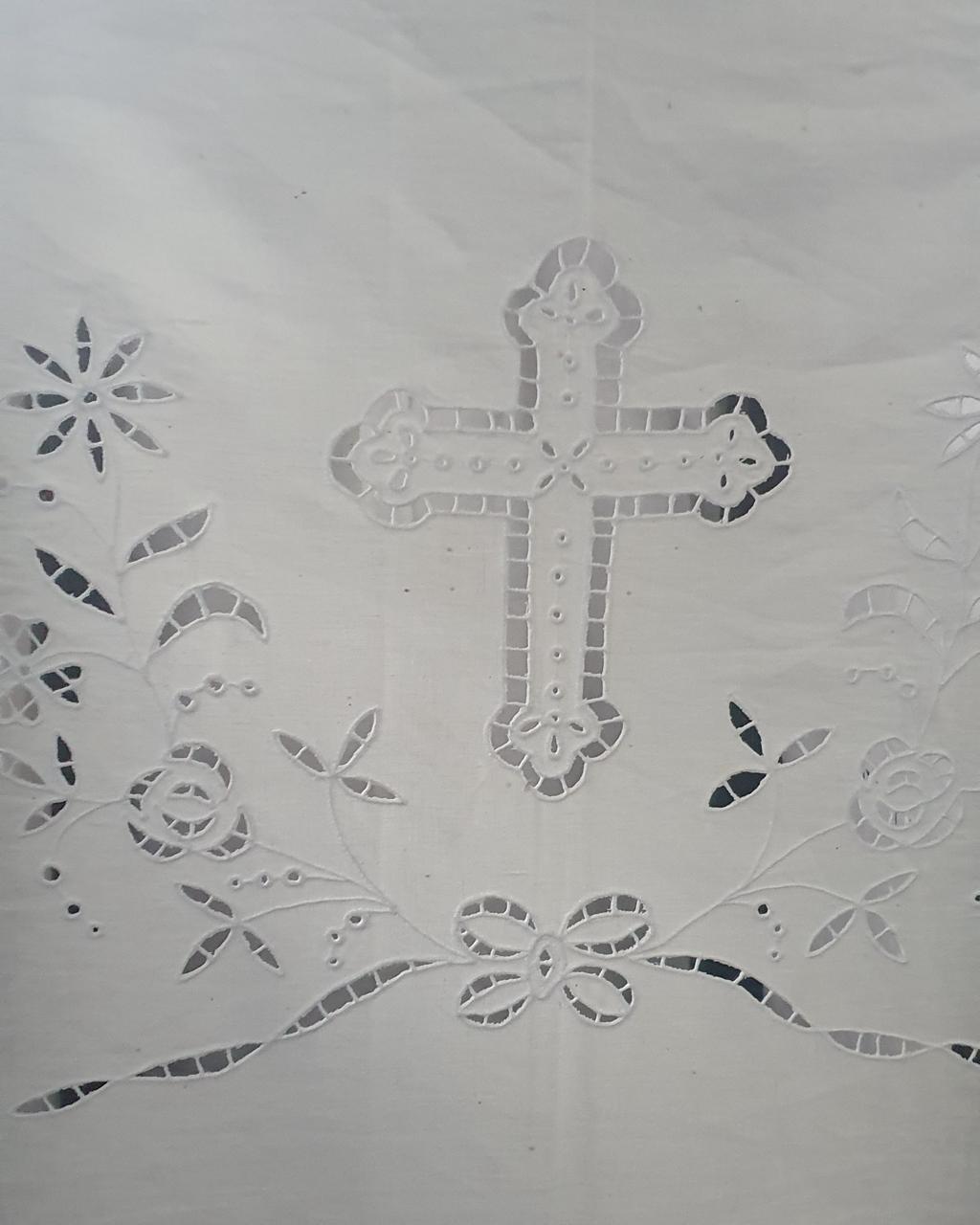
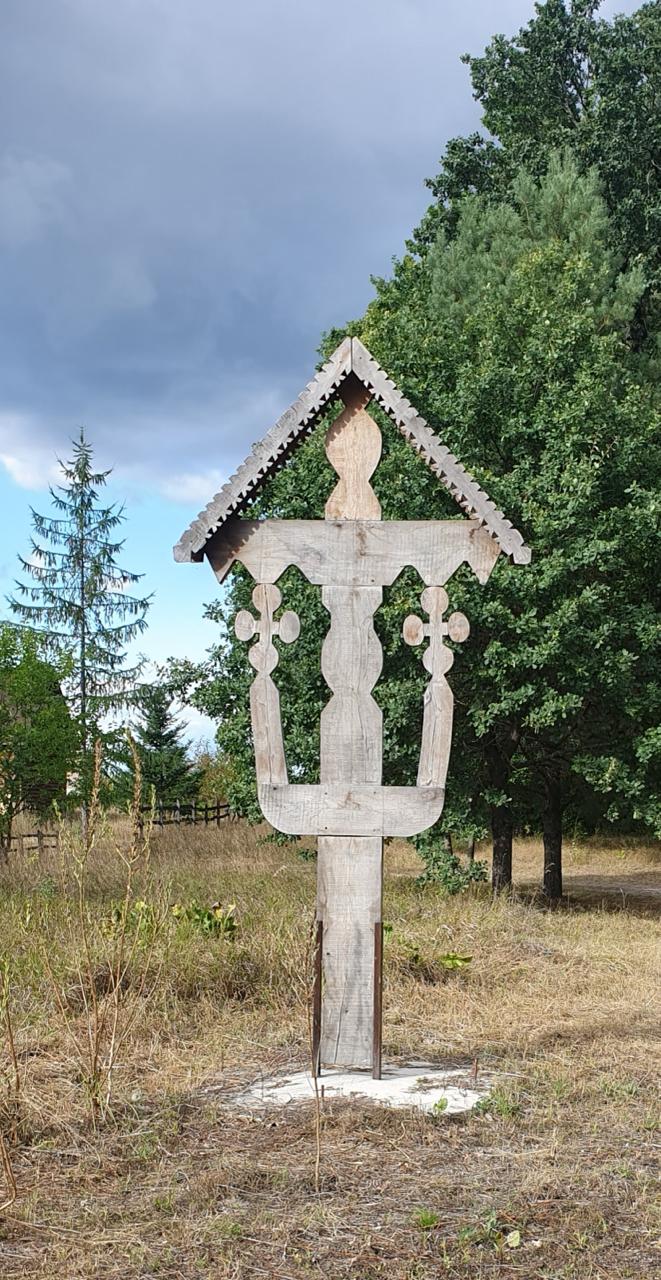
The monks devote all their time to this beloved work, not only labouring with their own hands but also searching throughout Ukraine and beyond for craftsmen and craftswomen who still know how to carve wood, weave, make lace, and embroider as their ancestors once did. This creativity in the midst of the wilderness serves no utilitarian “purpose”; it is simply the artist’s prayer expressed through action. Yet in one way or another, it also draws in local residents, offers people exhausted by war a renewed experience of faith, and transforms desolation into beauty and joy.