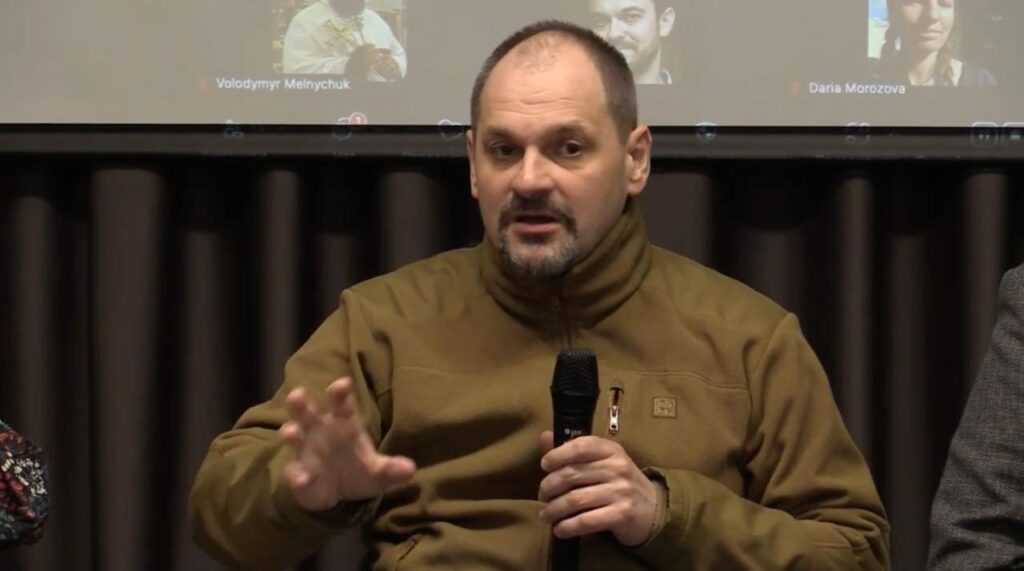
Yurii Chornomorets: “I look at the UOC with great hope, because there is a huge number of living parishes.”
Every theologian works in two possible modes. One mode is prophetic ministry, and the other is teaching ministry.
Софійське Братство – громадська організація
Every theologian works in two possible modes. One mode is prophetic ministry, and the other is teaching ministry.
We shouldn’t just construct random myths or ideas, like the concept of an “open Orthodoxy of a new kind.” We must construct myths that grip, that infect people.
Let’s be realistic. Option one: the Ukrainian Orthodox Church (UOC) recognizes that Constantinople is the Mother Church.
One must become someone who has their own “autocephaly”—that is, their own head—and act accordingly. In truth, these decisions are being made at every level.
Doesn’t it seem to you that the way different jurisdictions interpret the canons, how they understand canon law and the role of the Tomos in that, actually serves not to unite, but rather to divide us?
We cannot live without myths altogether. But some myths must, and can, be dismantled.
I must admit, it’s a very difficult question to answer, because we are working from the foundations of canon law and ecclesiastical governance established in the 8th century.
Today, my barber told me he wanted to become a sommelier. His friend said to him, “Zhenia, that’s very risky — you’ll end up drinking only expensive wine.” It’s the same with myths. I teach the theory of myth and understand how dangerous it is to use the word “myth” as a synonym for prejudice.
I want to remind us that the real division isn’t between communities of the so-called Ohienko and Brianchaninov traditions – it runs deeper.
The Sophia Brotherhood is a civic organization. It is not some imitation of a Church, not a new ecclesiastical structure, not a sect.
That’s a very important question — about worldview and the capacity to overcome it. For me, the formula is: “For a person, it is impossible; but for God, all things are possible.”
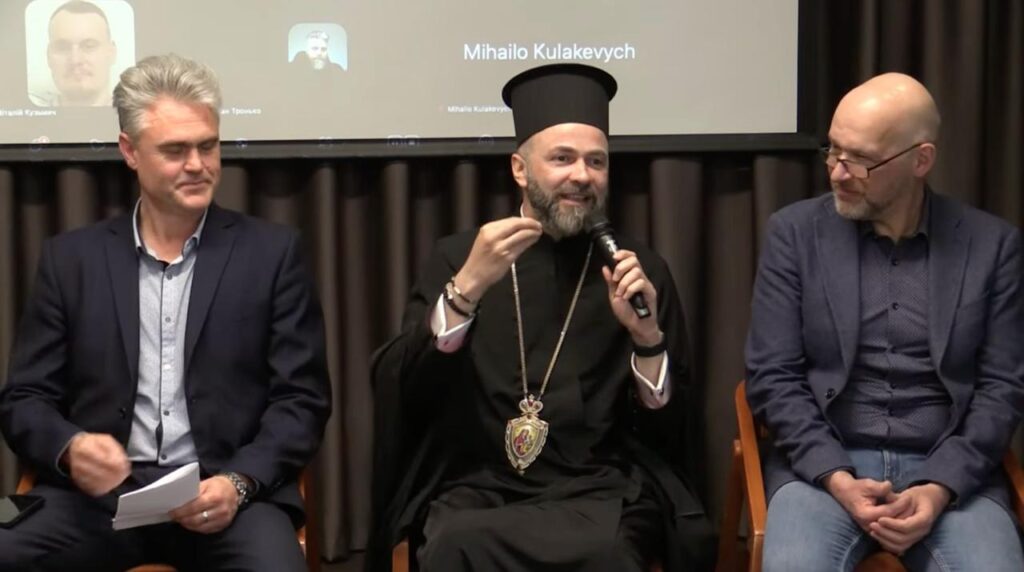
The thing is, bishops never act unilaterally. Yes, we can meet for coffee. But these things do not get implemented simply by gathering together and deciding something. For what purpose are we forming this?
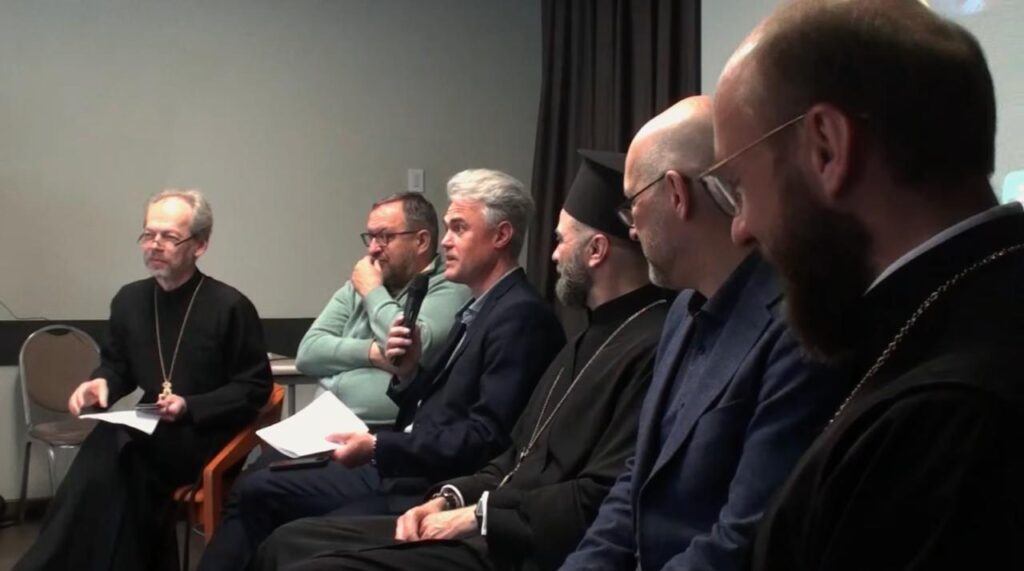
In seeking a meta-level and a meta-language, first of all, we shouldn’t fear the existence of multiple meta-languages.
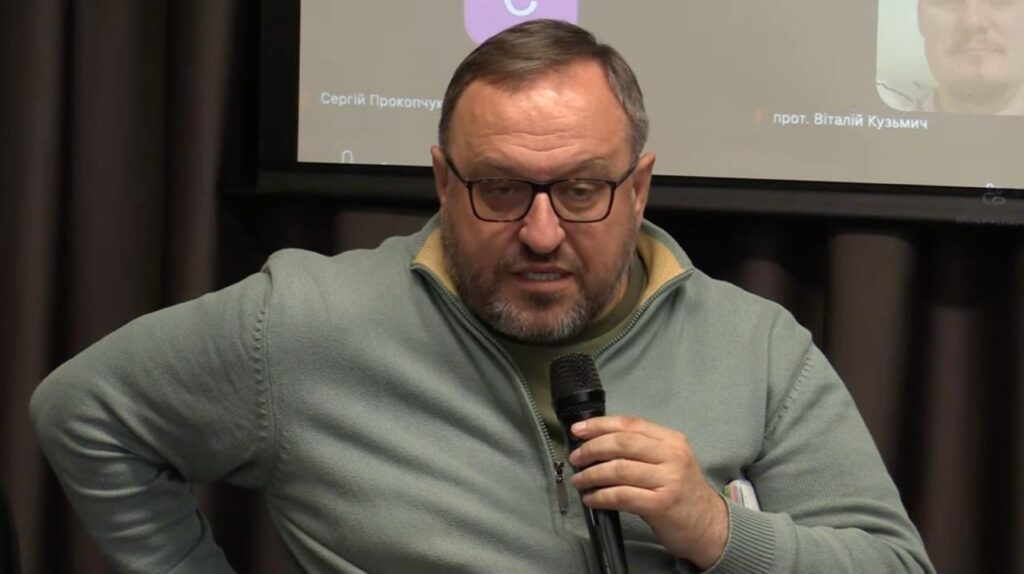
What is a person to do in a situation of inter-jurisdictional dialogue or conflict? For me, everything begins with subjectivity. And if someone doesn’t understand what jurisdiction they belong to, then they have a religious question.
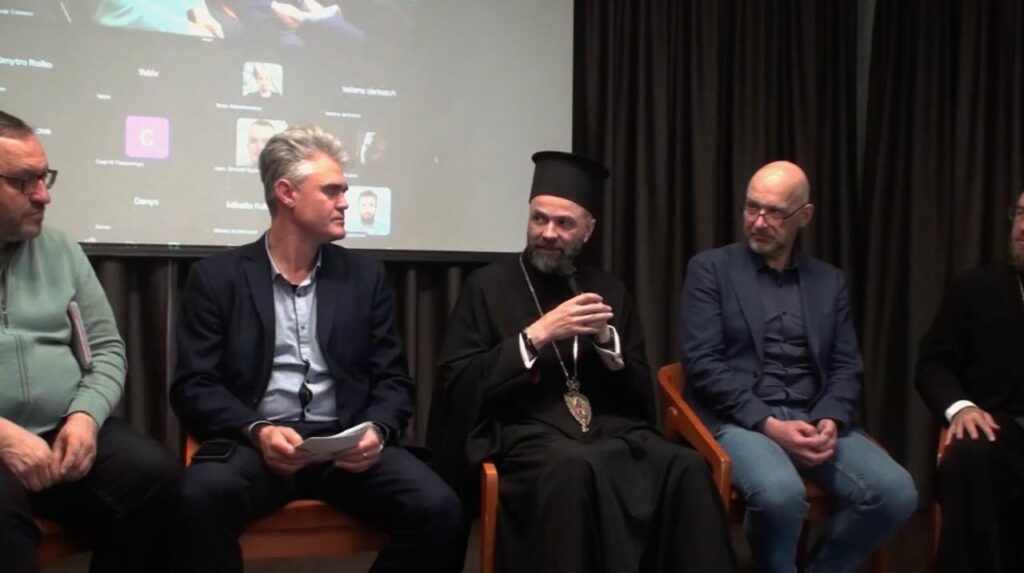
I’ll share from my own experience. At our Stavropegia platform, representatives from all Orthodox jurisdictions come and communicate freely. We never announce who attends or when—they know they can speak openly, including with me.
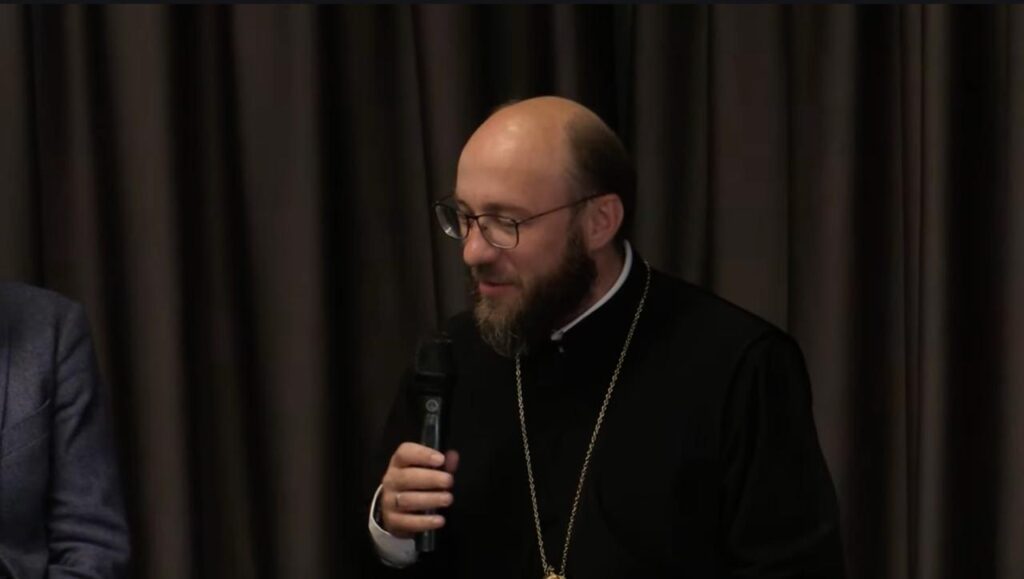
What is “jurisdiction”? A good question. Given that I wrote my doctoral thesis on canonical law and my mindset is not philosophical but one grounded in legal principles, I must admit that the current situation sometimes leaves me completely bewildered.
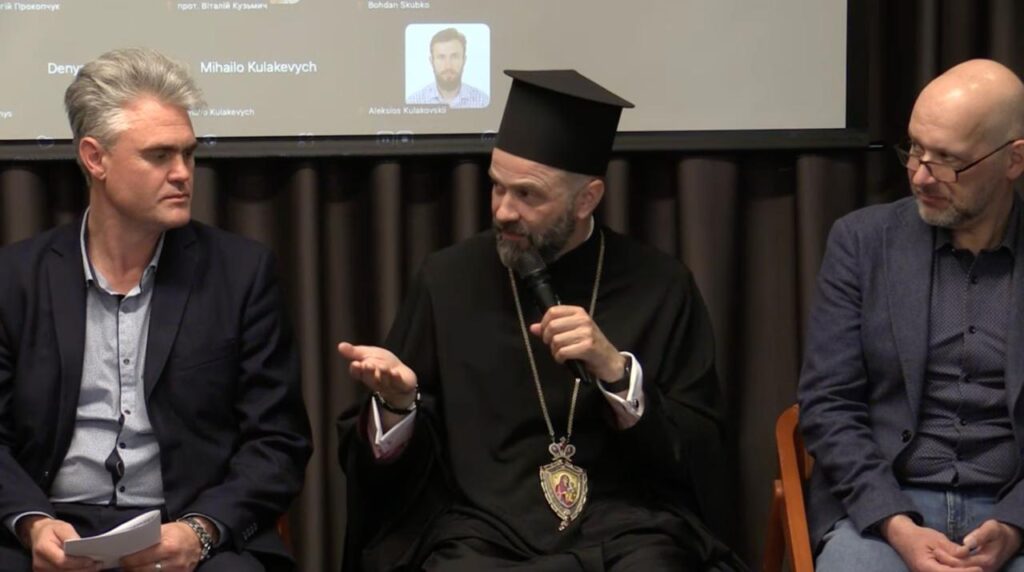
I have observed a very encouraging trend. At least today, I saw people not only reflecting (and not only the clergy, but also the laity), but also beginning to admit that not everything is perfect in our Church.