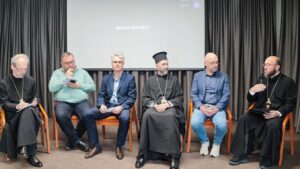
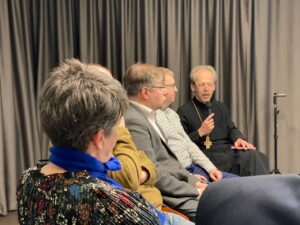
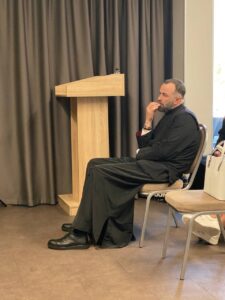
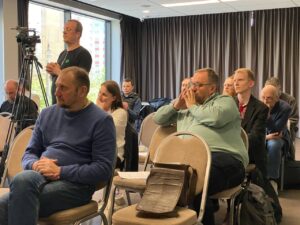
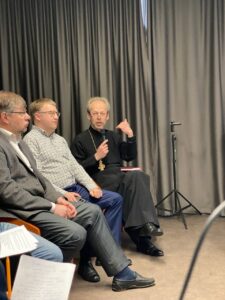
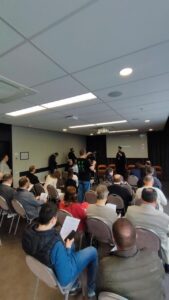
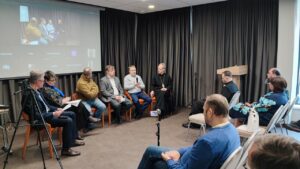
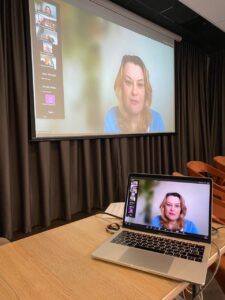
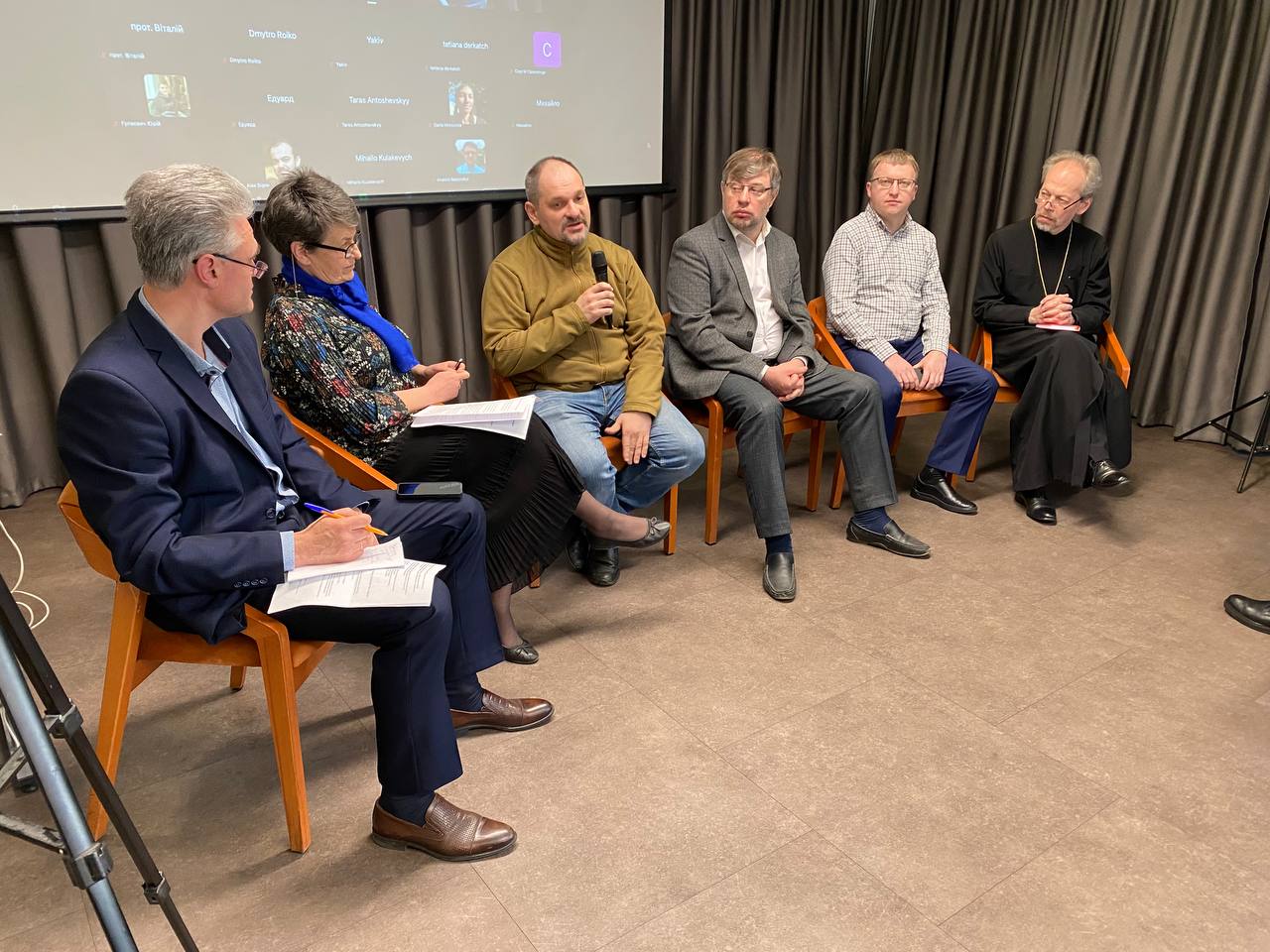
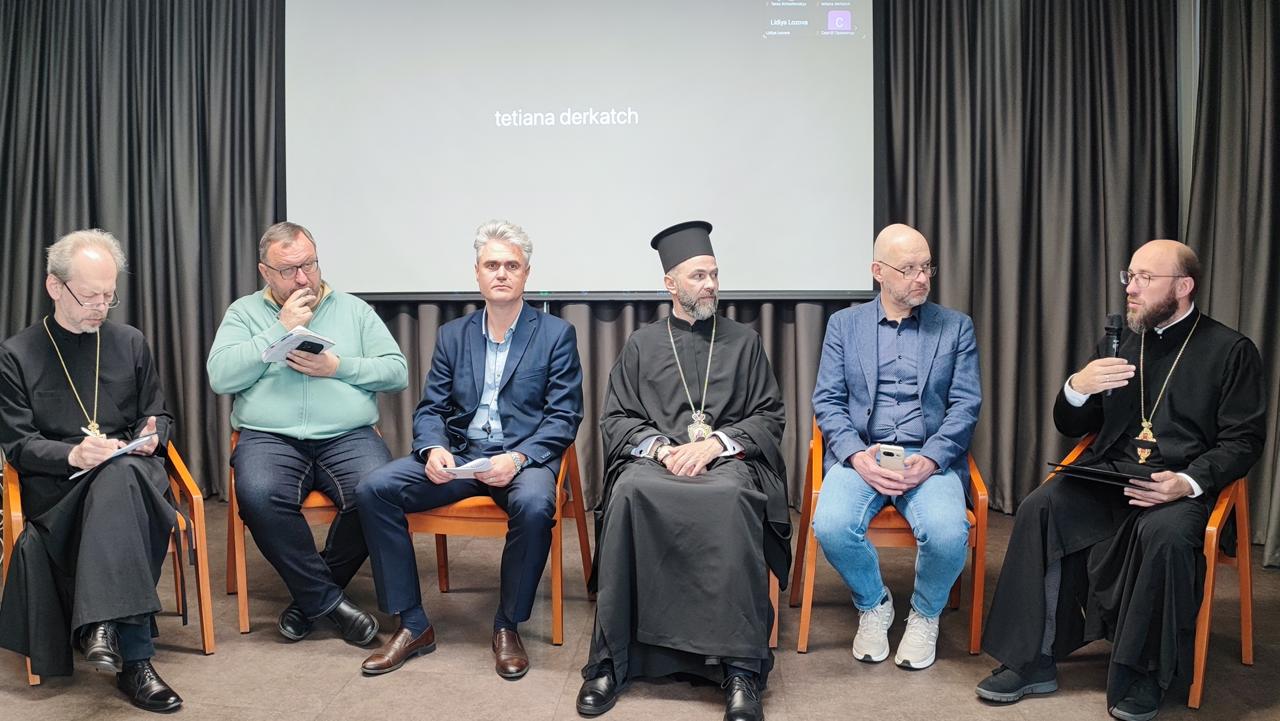
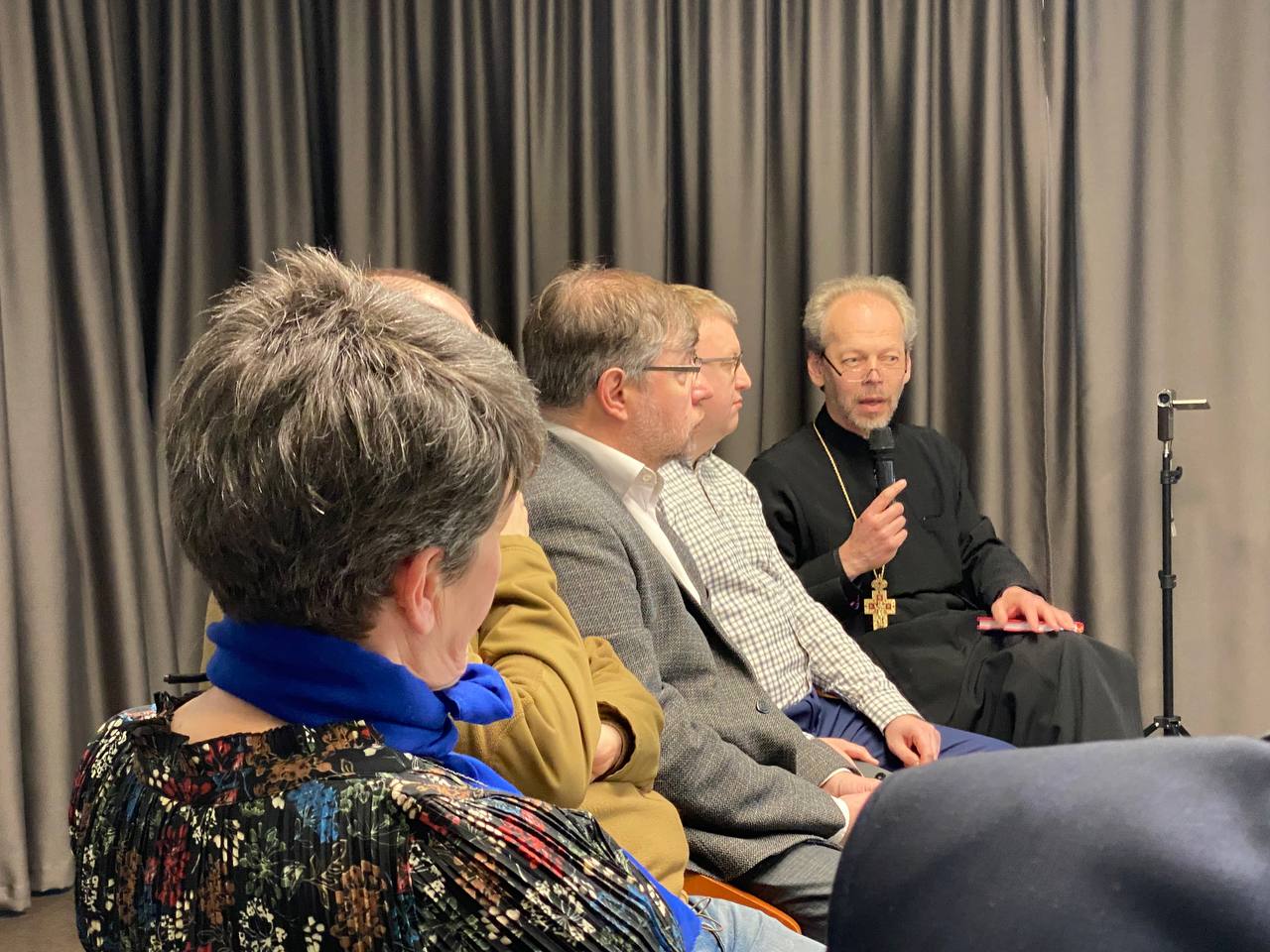
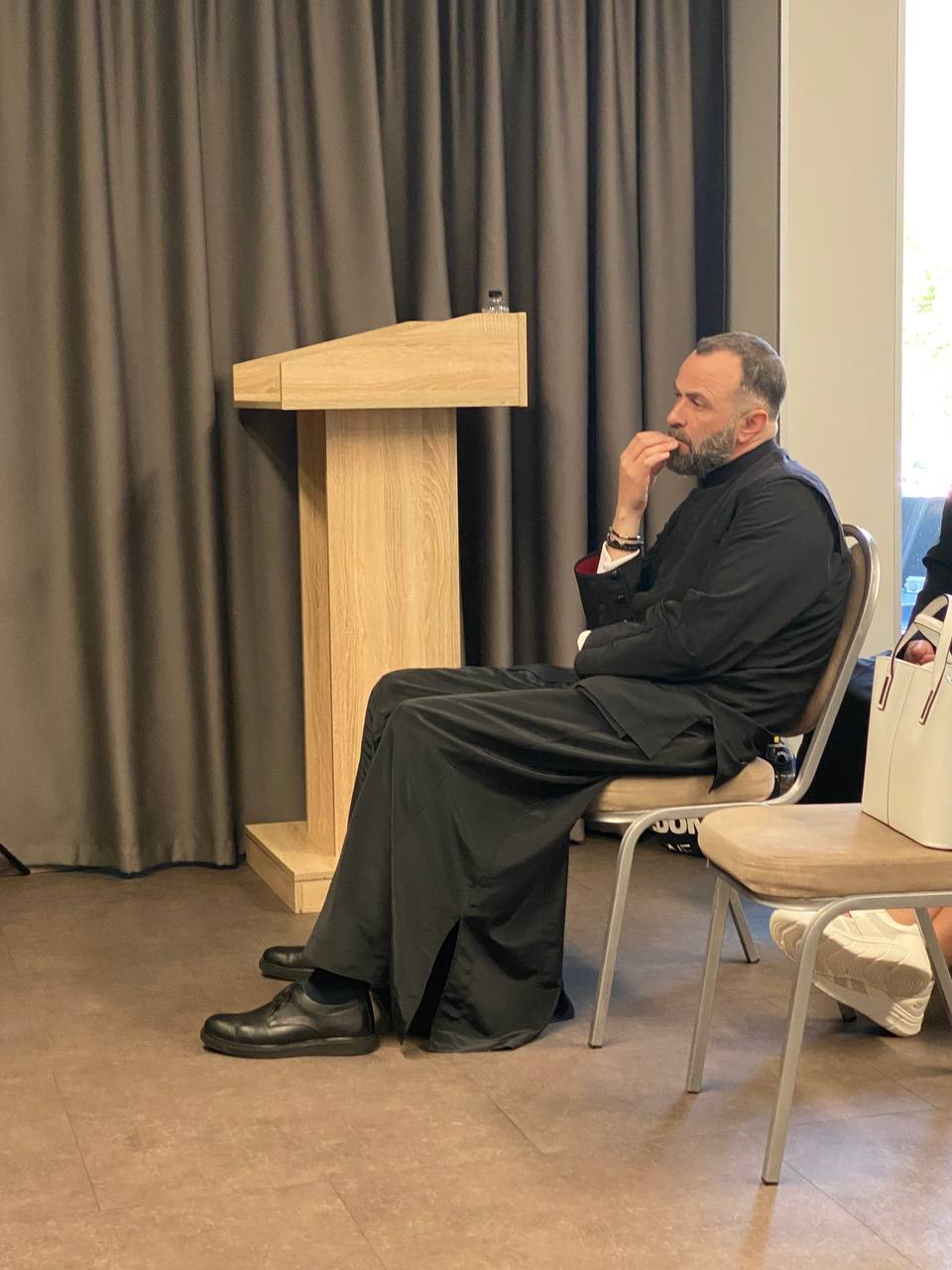
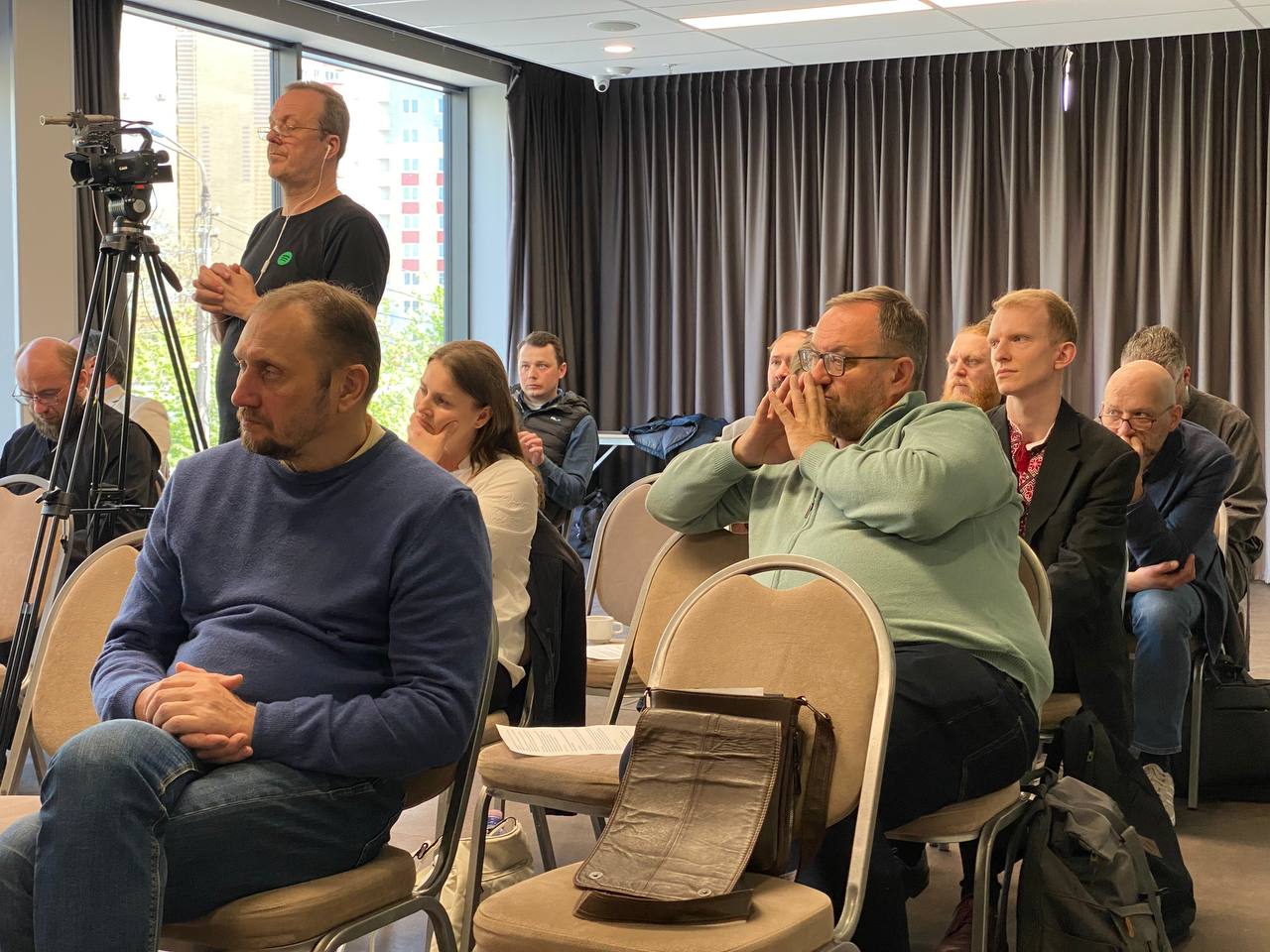
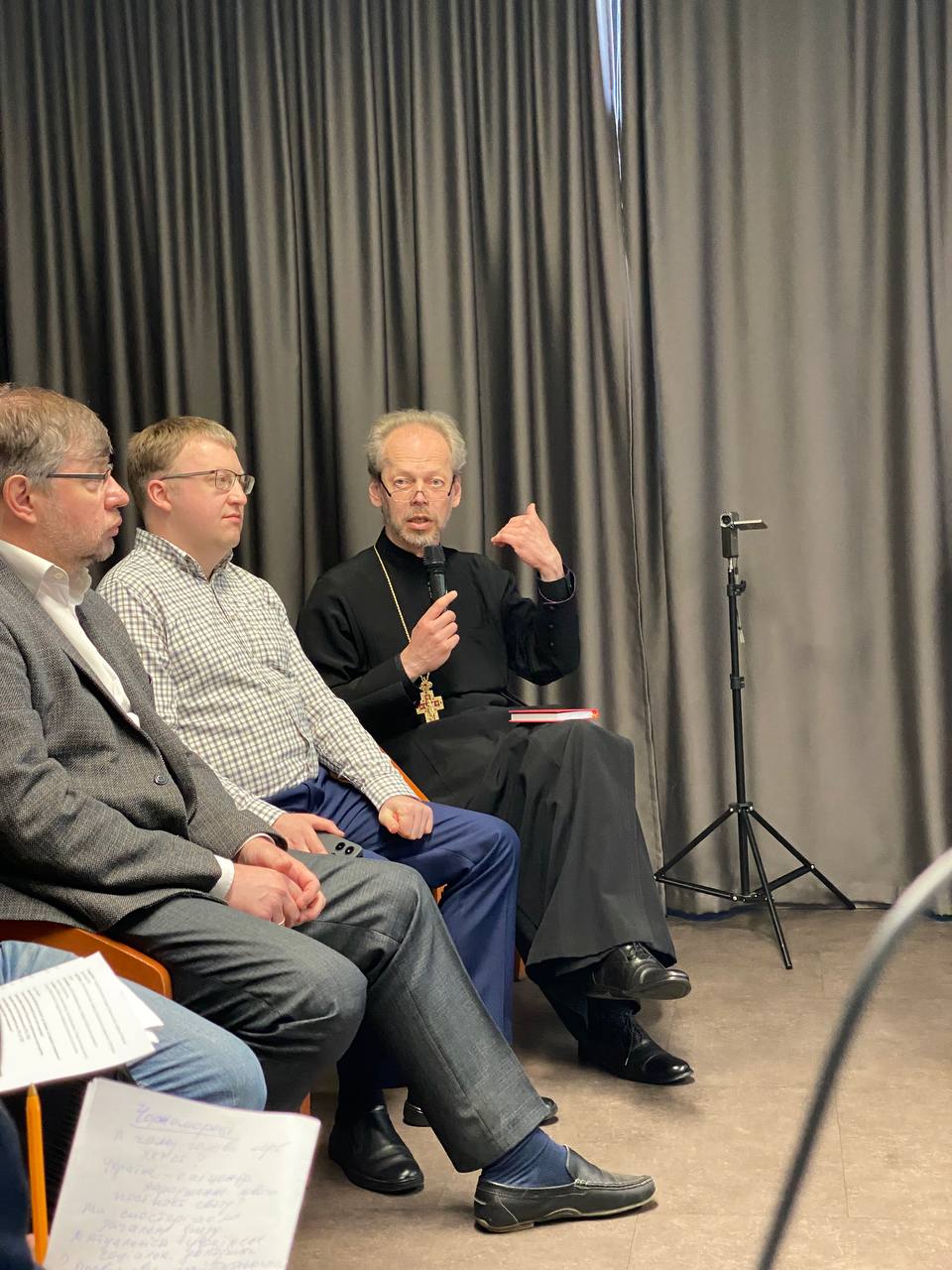
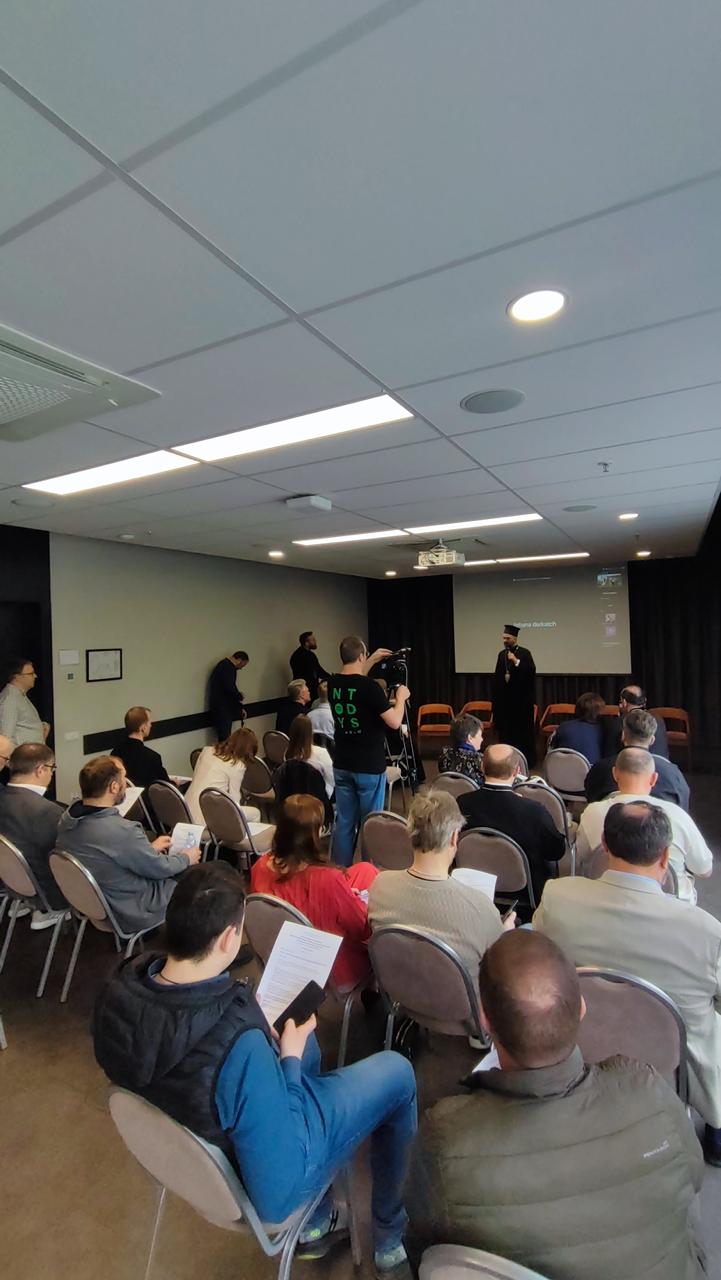
On April 29 in Kyiv, a roundtable and three panel discussions took place as part of the educational-analytical project “Modern Ukrainian Orthodoxy: Debunking Myths for the Sake of Reconciliation Among Orthodox Christians in Ukraine and the Consolidation of Ukrainian Society,” organized by the Sophia Brotherhood with the support of the Renovabis Foundation.
The goal of the event was to initiate an open conversation about the challenges and prospects for Orthodox reconciliation, the overcoming of inter-jurisdictional prejudices, and the formation of a culture of dialogue between the Orthodox Church of Ukraine (OCU) and the Ukrainian Orthodox Church (UOC).
Participants discussed key topics such as:
- Myths that divide Ukrainian Orthodoxy
- Theological common ground between jurisdictions
- Academic analysis as a tool for mutual understanding
- The role of media in spreading or overcoming bias
- The potential of the Church and civil society in peacebuilding
Panels:
- Path to Reconciliation: Prospects for Inter-jurisdictional Dialogue
- Theological, Philosophical, and Religious Studies Aspects of Overcoming Prejudices
- Public Perspective: The Role of Society and Media in Overcoming Divisions
Speakers included clergy, theologians, scholars, experts, and journalists — among them: Bishop Mykhailo of Komana, Archpriest Heorhii Kovalenko, Archpriest Volodymyr Vakin, Oleksandr Filonenko, Hennadii Khrystokin, Oleksandr Sahan, Viacheslav Horshkov, Volodymyr Bureha, Andrii Smyrnov, Serhii Bortnyk, Tetiana Derkach, Taras Antoshevskyi, and others.
This roundtable marked an important step toward mutual understanding and the beginning of building a culture of reconciliation. More to come!
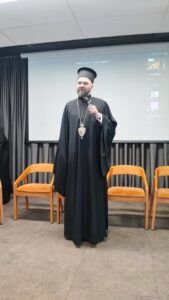
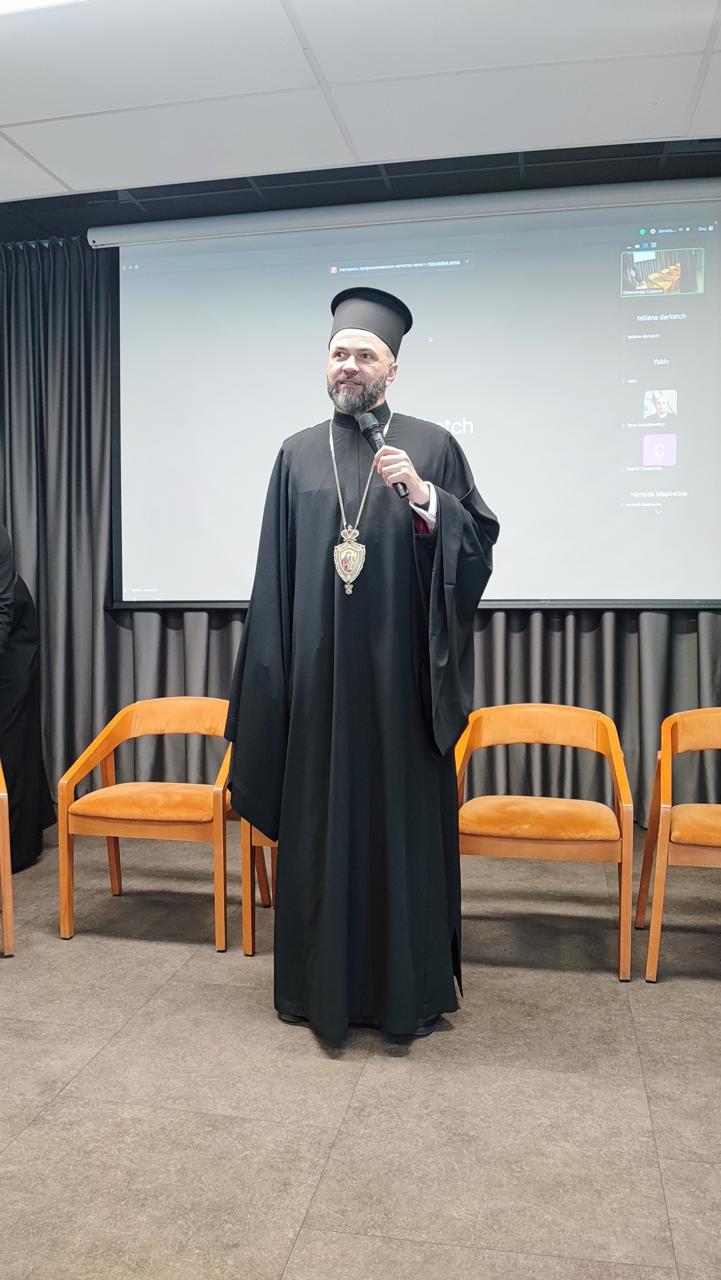
Opening Address by Bishop Mykhailo of Komana, Exarch of the Ecumenical Patriarch in Ukraine (April 29, 2025)
Dear friends, dear brothers!
I sincerely thank you for the invitation to join such an important event. I remember our first meeting — it was with a different group, but when you were founding this Brotherhood. Back then, I expressed the hope that this Brotherhood would become a foundational platform where representatives of both jurisdictions in Ukraine could meet, not quarrel, but live peacefully and discuss ways of realizing that unity to which Christ called us — “That they all may be one.”
And we see that during this time you have already done much fruitful work, because your activities are now being noticed not only in Ukraine but abroad. This is a sign that healthy processes are underway in Ukrainian society and in the Orthodox community. Maybe not as fast as we’d like, but this, I believe, points to the quality of the work. Of course, we all want instant results — but that’s not how it works. Just as a person grows and matures over many years, so too do processes in society, especially those meant to overcome 30 years of division — they take time.
I hope I will live to see the full unity of our Church, but that depends greatly on you. Because you can meet together, talk, live peacefully, implement joint projects peacefully. And people see this — and they will join. Maybe not right away, maybe not quickly. But people see that there is a platform, an environment where they can come and express their opinion. We are all different; each of us may have our grievances, but if we don’t meet and talk — there will be no dialogue. And you are called to realize and activate that very dialogue aimed at understanding among Orthodox Ukrainians, so that we may eventually achieve the unity we long for.
This is hard work — meticulous, demanding, long-term. But for now, we see that you are succeeding. Keep it up, and may God bless all of you and your efforts. May He inspire you not to fall into despair, even when something doesn’t work out — those are temporary difficulties.
May the Lord bless you and help you.
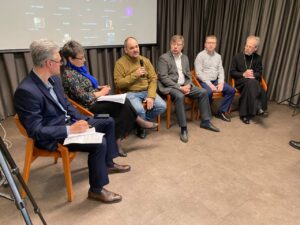
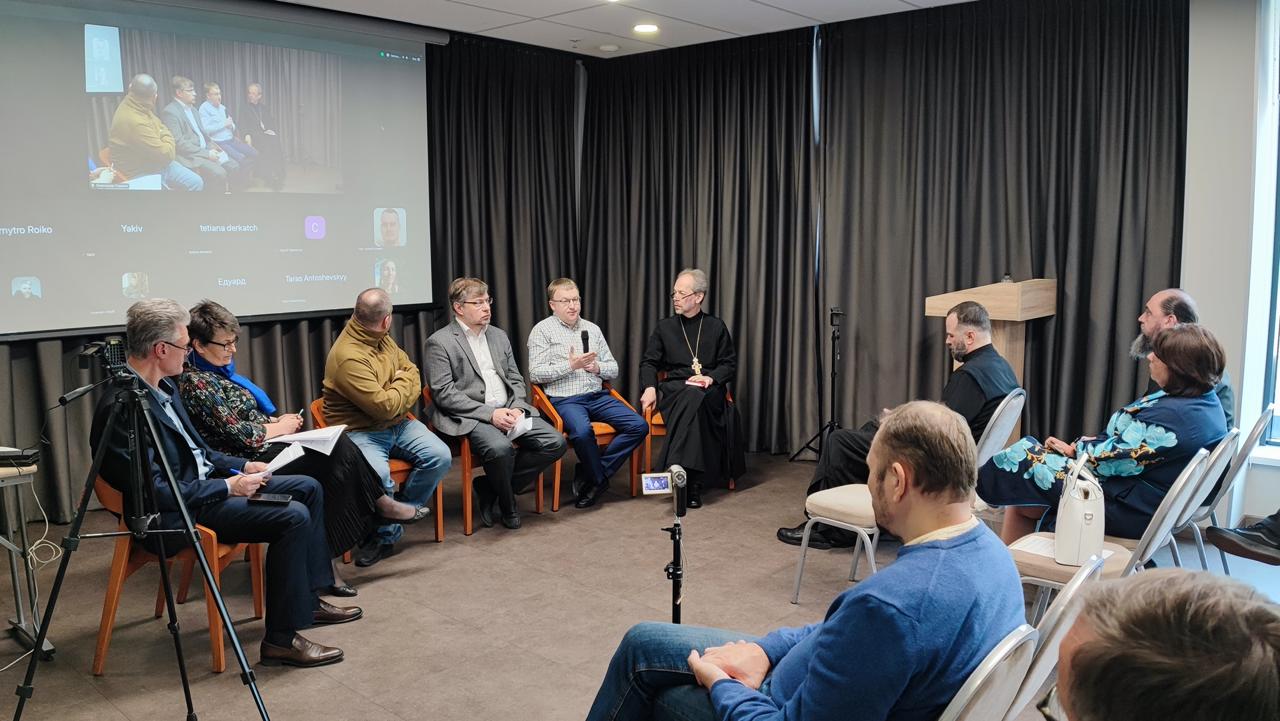
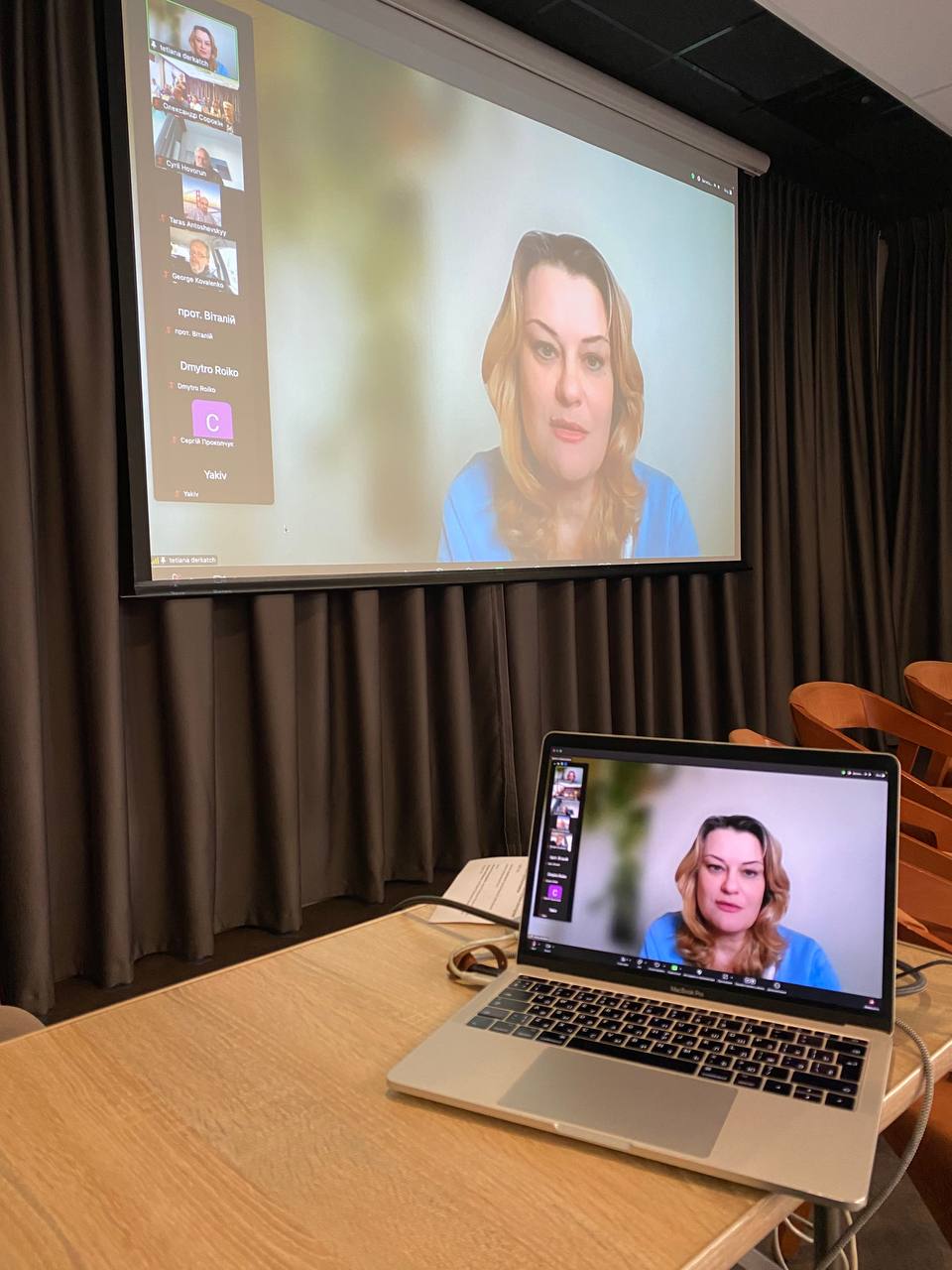
Panel Discussion 1 Video: The Path to Reconciliation — Prospects for Inter-jurisdictional Dialogue