Archpriest Volodymyr Melnychuk, Ecumenical Patriarchate, Member of the Brotherhood of St. Sophia
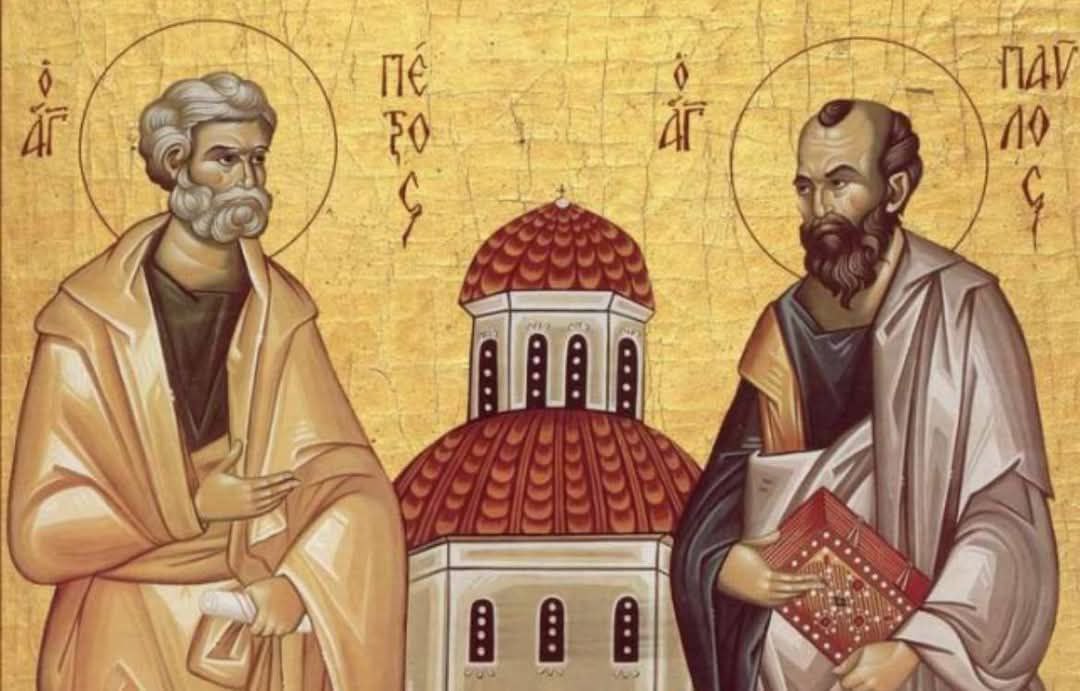
The feast day of the Holy Apostles Peter and Paul illustrates an important truth: people can be vastly different, yet God accepts the sincere service of each one.
One apostle was married, the other — unmarried; one had children, the other — childless; one was a simple fisherman, the other — a nobleman and Roman citizen; one was unlettered, the other — a university professor; one had an explosive temperament, the other — was academically reserved.
Even their theological views differed. In the pages of the New Testament, the polemic between the apostles is clearly visible.
Peter was a zealous guardian of ancestral traditions. Scrupulous observance of Old Testament laws remained necessary for Christians. This is a divine ordinance that no human has the right to revoke.
Paul, by contrast, advocated for a reinterpretation of ancient prescriptions. In modern terms, he was a modernist and a liberal.
The Old Law written in the Torah is needed as a guide leading to Christ; beyond that, by grace, it is written in the hearts of the faithful.
To insist Christians must preserve all the Old Testament rules is like always wearing a life vest on dry land.
And yet, they maintained a real fraternal relationship. They labored in the one field of Christ — just in different areas. The confirmation of the godliness of their deeds is found in countless miracles, the greatest of which is the conversion of entire nations to Christ.
And they were granted the martyr’s crown for their Teacher and Friend on the same day, one year apart — June 29. In the modern calendar, that is July 12 (Old Style – ed.).
This reminds us once again that in coming to God, a person should remain themselves — not become faceless, not live by imitation, not try to copy someone else, but bring their own unique talents as a gift to Christ, preserving their personal identity.
The Church is a place for diversity!
Only one thing is common to all — the desire to be cleansed from sin and to serve God.