Protopriest Serhiy Prokopchuk, Head of the Office of the Sophia Brotherhood
Our Ukrainian people cherish their age-old traditions with special reverence. We have many traditions, deeply rooted in our daily lives and uniting us in the shared existence on our native land.
Some of these traditions emerged in ancient times and have become integral to our culture, while others began their journey in more recent history, seeking their place in the rich tapestry of Ukrainian heritage.
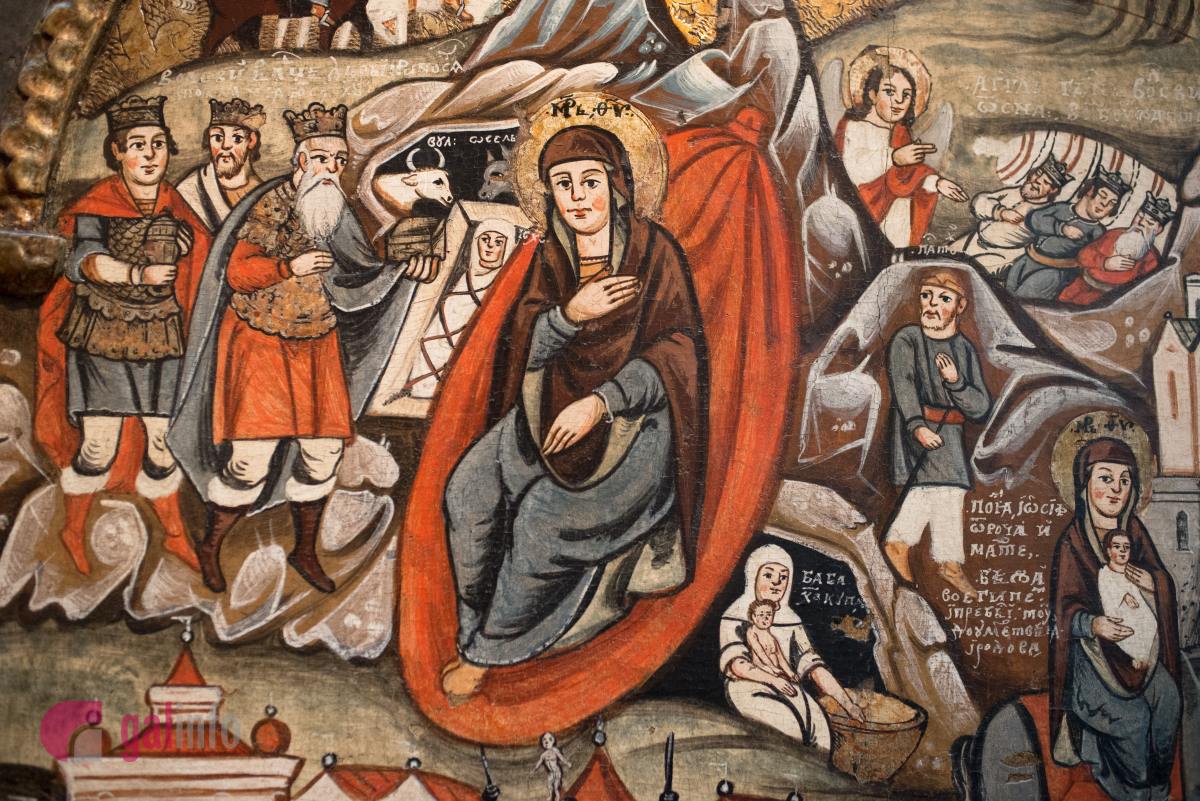
The celebration of Christmas has two key components. On the one hand, it is the commemoration of the coming into the world of the Son of God, our Lord Jesus Christ, the Savior, who brought the light of Love and Unity with God. On the other hand, it encompasses the ancient traditions of our people in celebrating this momentous event. These traditions, more than a thousand years old, harmoniously combine the customs of ancient Slavs, who were just beginning to embrace the Christian faith, with folk songs (carols) that glorify the birth of Light. New traditions have also emerged, such as housewives competing in culinary mastery to turn the humble Lenten dishes of Christmas Eve into culinary masterpieces.
The date of Christmas celebration is itself a tradition. Historically, it is not tied strictly to religious factors. Scientists adjusted the calendar to align with scientific data. Yet, in practice, the attachment of Christmas to a particular date evokes unique, often meaningful and pleasant associations, meetings, and events for each person. Thus, a formal, static date becomes a day rich with significant events, emotions, and traditions.
For some, it is December 25th—a day when millions of Christians worldwide glorify the newborn Christ. For them, this is a day of meeting Christ in the Bethlehem manger. Others continue their preparations to meet the Infant God on January 7th. And some rejoice in offering prayers of thanksgiving to God on both December 25th and January 7th.
This is wonderful! It is a testament to the greatness of Ukrainian culture that it can embrace diverse traditions celebrating the singular event of the coming of the Son of God into the world.
Of course, there are those who, even during these festive days, find room in their hearts for malice, insults, and even hatred. Somehow, they manage to combine profound religious sentiments with words of offense toward others: “You follow Moscow traditions,” “religious fanatics,” or “you are apostates from faith and traditions,” “schismatics and godless.”
Christ came for all people. Often, sinners and wrongdoers are in even greater need of meeting Christ than some devout Christians. This encounter may not happen in grand cathedrals on December 25th or January 7th but in a humble home where someone with an open heart awaits Christ.
So, during these festive days, as the rich diversity of Christmas traditions transforms our daily lives—from celebrating St. Nicholas on December 6th to taking down Christmas trees on February 15th—may the Christ Child be born in our hearts every day, and may His Divine Light fill our souls with Love and Warmth!
Christ is born!
Glorify Him!
Saint Spyridon of Trimythous, pray to God for us!